


Travel has changed a lot over the last five years. We went from the armchair-travel era of early lockdowns to the pent-up burst of revenge travel, then settled into a period of wellness-driven vacations, epic train journeys and set-jetting to the properties and destinations that played starring roles in our favorite TV shows.
But as we head further into 2026, travelers’ motivations for packing their bags are shifting again. They are rethinking not just where they go, but why. At Signature Travel Network’s annual conference, I moderated a roundtable discussion with expert advisors and industry leaders to dig into travelers’ changing desires. Their insights offer clues about what your clients might be craving next — and how you can curate the experiences that honor what matters most to them right now.
Here are the travel trends advisors should be watching for 2026.
The Rise of Discovery Tourism
If there’s one thing travelers are over, it’s crowds. Nearly one in three travelers says their trips have been negatively impacted by overtourism, according to the Skift Travel Health Index from September 2025. That frustration is fueling the rise of “discovery tourism” — a shift toward lesser-known destinations, quieter seasons and experiences that feel delightfully uncrowded.
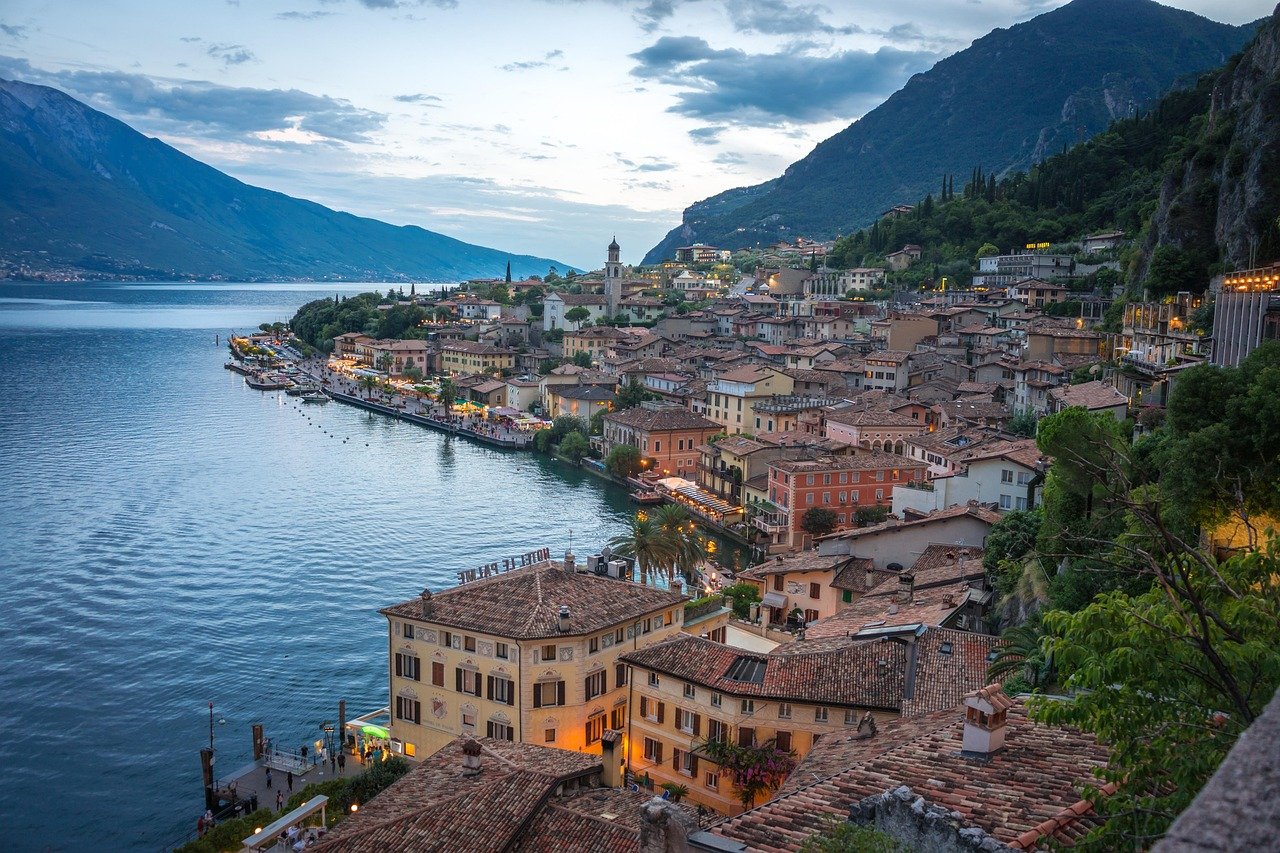
“People really want to get off the beaten path,” said Tricia Peacock, president and founder of Peacock Travel Group, who specializes in Italy and has been in the industry for 43 years. For her, that means guiding clients beyond the usual spots toward less crowded (but no less culturally rich) places like Umbria, Bonito and Lake Garda.
Jonathan Alder, CEO of Jonathan’s Travels, is seeing the same pattern across hot spots in Asia, especially in Japan.
“Kyoto was so crowded you couldn’t even see the ground,” he recalled. Instead of sending first-timers straight into the crush, he’s now steering clients toward places like Kanazawa, Takayama, and the Kii Peninsula — destinations that are “fascinating, beautiful and don’t have that overcrowding problem, yet still capture the essence of Japan,” Alder explained.
For travel advisors, discovery tourism creates an opportunity to stand out through insight. When clients ask for a predictable route that’s bound to be packed, advisors can step in with smarter, less crowded alternatives that still deliver cultural payoff without the frustrations of crushing crowds.
“That incorporates the new luxury of not just ticking off the super high-volume destinations and attractions, but doing things no one else has done before so you can have bragging rights,” added Luke Jones, account director for Kenya Tourism Board North America.
Purpose-Driven Travel
For many travelers, the why behind a trip has become even more important than the where. People aren’t only looking for beautiful places: They’re seeking purpose-driven getaways that reflect their values, their interests and even their sense of self.
“Travel with purpose and connection is a huge trend,” explained Jazzmine Douse, senior director of national accounts at AmaWaterways. “We are starting to see more people seek trips that help them lean into their identity.”
Case in point: AmaWaterways’ Soulful Experiences, specialty themed river cruises that celebrate Black history and culture. The first cruise sold out in just a few months back in 2023, and now there are more than 20 dates on offer to meet demand, especially among repeat cruisers who want more identity-focused experiences abroad.
Alder has also seen an increased interest in identity-driven trips. He recalled chartering a cruise on the Nile for an entire family after they found out they had Egyptian ancestors.
“I wouldn’t be surprised if all of this started with the 23andMe and AncestryDNA tests,” added Jonathan Hamel-De Lara, director of global sales for Auberge Collection. “People took these tests and realized where their ancestors came from and decided to see it for themselves.”
If you’re looking for inspiration for a client’s next vacation, consider asking them if there’s a part of their identity they want to explore.

Identity is only one way to infuse a trip with purpose, though. Advisors are also seeing rising demand for itineraries that help travelers understand the places they visit on a deeper level. In Colombia, for example, visitors are eager to explore neighborhoods with a history of conflict that have evolved into welcoming, immersive places to visit, noted Catalina Sánchez Montoya, senior communications and marketing advisory for Procolombia USA, the promotion board of Colombia.
“Tourism has been a powerful tool for transformation in Colombia, and we see that travelers are seeking those meaningful experiences and connecting with those communities,” she added.
Purpose also shows up in treading lightly on the planet. Alder continues to see sustainability initiatives as compelling selling points for clients, whether it’s electric safari vehicles or airlines testing alternative aviation fuels, to ultra-luxury resorts like the Brando in French Polynesia, which cools its rooms using deep ocean water instead of conventional energy-heavy systems.
Community service initiatives can also bring purpose to a vacation. Jamie Jones, president of WhirlAway Travel, said many of her clients discover that these experiences, such as building a clean water well in a local neighborhood, become the most meaningful part of their vacations.
Jones explained: “We’re incorporating opportunities to give back into itineraries, even if clients don’t know they want to do it.”
And when they return, clients consistently report that it was one of the most impactful aspects of their trips, she said.
The New Family Vacation
Family travel will continue to be a strong trend in 2026, but in fresh, new forms. Nuclear family vacations are being replaced by huge, multigenerational trips driven by those between the ages of 35 and 50, Hamel-De Lara said. And often, people aren’t waiting until a big milestone rolls around to book these trips; they’re finding that seemingly mundane occasions are enough of an excuse to get the whole clan together, Jones added.
“Clients are renting villas and inviting 20 people for their three-year-old’s birthday,” she said. “We’re seeing a lot of larger celebrations with friends and family for things that we would normally not really celebrate with travel.”
Knowing which suppliers can best accommodate large groups, like river cruises with connecting rooms or large, private villas stocked with everything a family needs for entertainment and sustenance, can help advisors pull off these multigenerational family vacations.

Don’t be surprised if you’re asked to plan family vacations for just a couple of people in 2026, too. Advisors say they’re seeing an uptick of people who want to take a son, daughter or grandchild on a one-on-one trip — a bonding experience for just the two of them.
“When I’ve had the opportunity to plan these trips for clients, with one parent and one child, I get outstanding feedback,” Jones said. “It’s so meaningful for both of them to learn about each other, get out in the world, and reconnect.”
Slow Stays and Short Bursts
Travelers are approaching time differently when planning upcoming trips — in two very extreme ways. Those with more flexibility are craving longer, slower, more immersive trips that span weeks.
“In the past, we were always looking at seven to nine-day trips. Now, we’re looking at two and a half weeks on average,” Jones noted.
For advisors, this shift means building itineraries that feel intentional, deep and authentic, rather than rushed. That could look like basing clients in a more local neighborhood, hiring private drivers to take clients slowly through an entire region or scheduling activities that invite immersion instead of constant movement.
On the other end of the spectrum, some travelers are doing the opposite: packing an entire dream experience into as few as 24 hours.
“The 24-hour trip has become a big one and one of our favorites to promote,” Alder said. “You can make the most incredible trip in a day with as many great memories as you’d spend in three weeks.”
He even tested this himself on an epic overnight trip to New York City with a group of friends. In just 24 hours, they caught a Rockettes performance, visited a luxe spa, saw the Rockefeller Center Christmas Tree, sipped cocktails in a speakeasy and even watched the famous ball drop on New Year’s Eve.

While that might be an extreme example, the takeaway is clear: Travelers want their time to count, whether they have one day or three weeks. Advisors who can flex between curating long, layered journeys and designing overnight getaways chock full of once-in-a-lifetime experiences will have an edge as travelers rethink how they use every hour of their time off.
Taken together, these travel trends show that clients want their trips to carry more weight in 2026. By understanding what clients are truly looking for — connection, discovery, purpose or the most epic 24 hours of their life — you can help them move through the world in ways that feel intentional and deeply meaningful in the coming year.
Destinations To Watch in 2026
During our roundtable discussion, panelists shared the emerging destinations they believe will get the spotlight in 2026. Here are the places they say should be on every advisor’s radar.
- Colombia
- Sri Lanka
- Slovenia
- Mongolia
- Uzbekistan
- Saudi Arabia
- Montenegro
- Kenya
- Tanzania
Originally appeared in the Spring 2026 issue of The Compass magazine




Bridgette H | 05/30/26 - 01:56 AM
Love this!
| reply ⋯