

Cruising has never been more popular. Passenger volume hit 34.6 million passengers worldwide in 2024, up 16.5% from five years prior, according to a 2025 report from Cruise Lines International Association (CLIA). But alongside that growth has come increased scrutiny of the industry’s environmental footprint, from fuel use and emissions to the strain ships can place on heavily visited destinations.
The industry reached a collective turning point in 2021, when CLIA announced that its member cruise lines agreed to an ambitious goal: Work toward net-zero emissions by 2050. Since then, some cruise lines have backed that pledge with real investment, introducing new technologies and sustainability measures focused on reducing their environmental footprint and treating travelers to even better experiences at sea.
“The more informed you are as an advisor, the more easily you’ll be able to match clients with a cruise line that not only fits their style, but also moves the needle in the right direction in terms of sustainability,” said travel advisor Annie Jones, who is also the chief program officer at Travel For Better, a nonprofit organization that recently released a self-paced sustainability training focused on practical strategies for advisors.
Here’s what travel advisors should know about the cruise industry’s movement toward sustainability — and how those changes are reshaping the client experience.
Reducing Environmental Impact at Sea
When it comes to sustainability, the cruise industry’s biggest advances aren’t always visible to passengers — and that’s a good thing, Jones said.
“A lot of folks think choosing sustainability means sacrificing comfort, and that’s simply not true,” she explained. “It means operating more responsibly. Those impacts are often behind the scenes, like fuel and energy types, waste systems and shore power.”
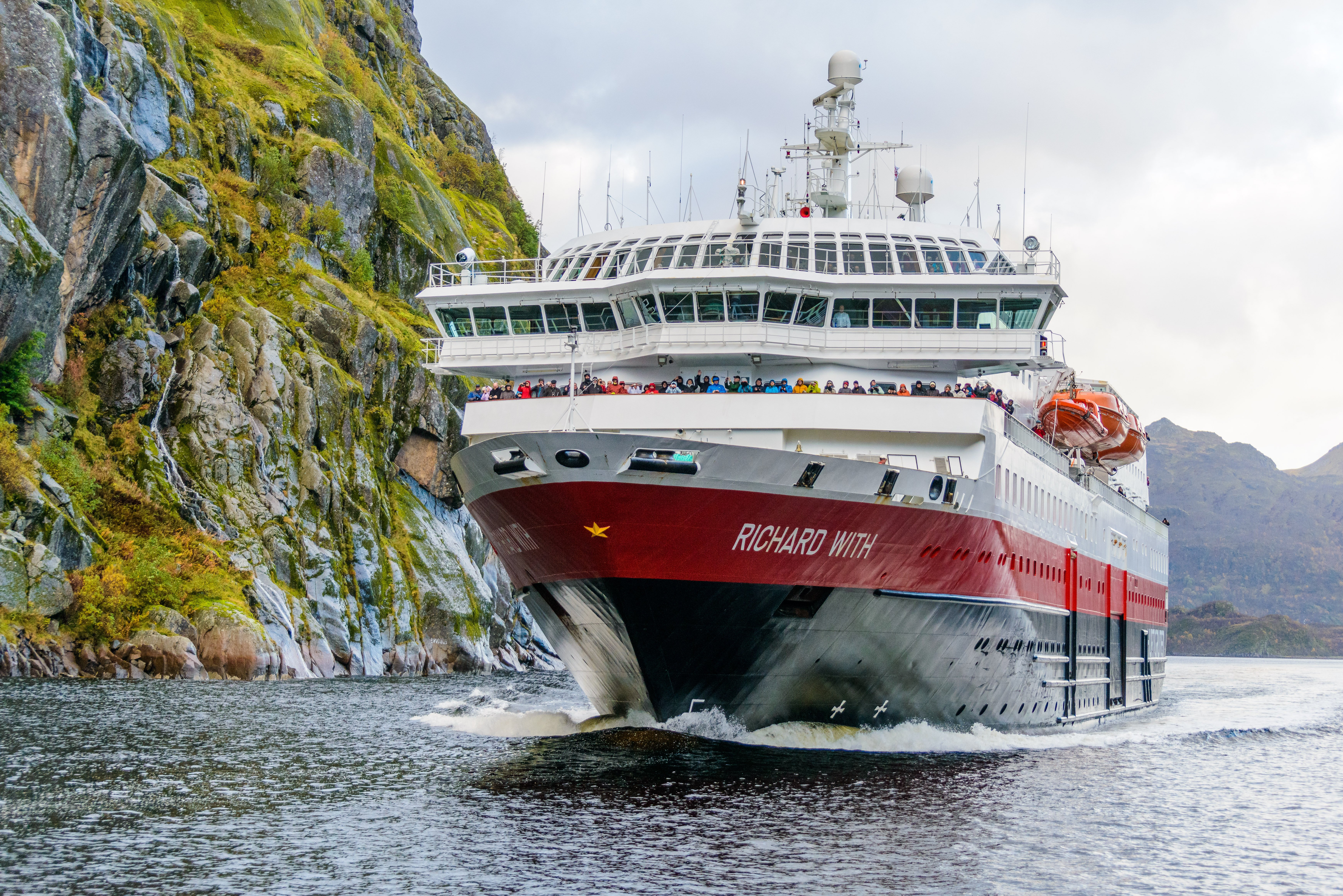
One of the earliest leaders in this shift has been Hurtigruten, which was the first cruise liner to ban heavy fuel oil in 2009 and launched the world’s first battery hybrid-powered cruise ship a decade later. The cruise line now has four battery-hybrid-powered ships, which have helped cut carbon dioxide emissions by 25% and nitrogen oxide emissions by 80%, according to Hurtigruten. Its former sister brand, Hurtigruten Expeditions (HX), has two of its own.
Sustainability goals are shaping technical decisions at other cruise lines, as well.
Uniworld now sources 100% of its electricity from renewable sources. Two of Princess Cruises’ newest ships now rely on liquefied natural gas (LNG), which creates lower greenhouse gas emissions than other conventional fuels.
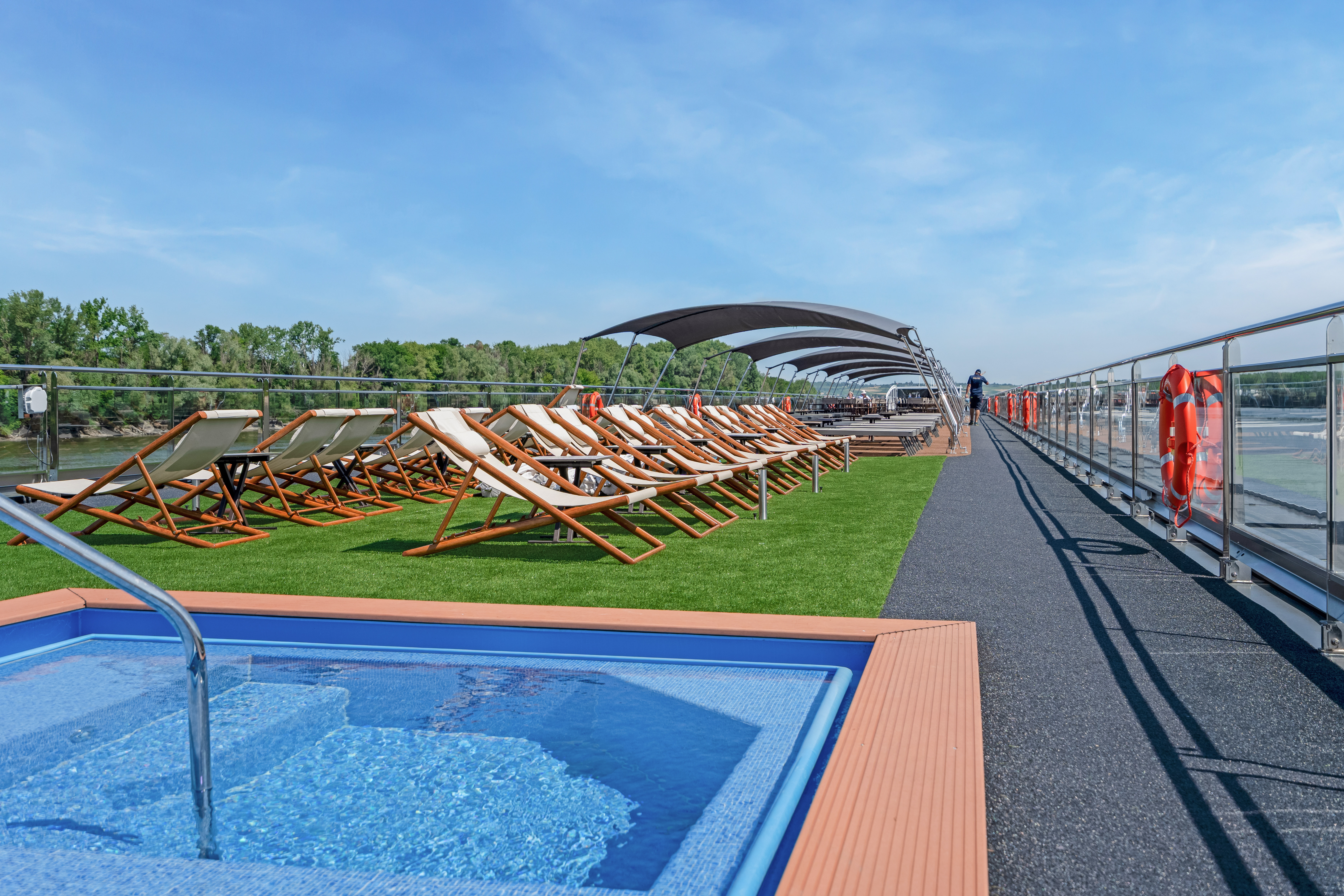
Riviera Travel says that three of its newest ships have been designed with more fuel-efficient engines and solar panels on the sun deck, reducing its reliance on diesel generators.
Ponant Explorations Group has reported a 14% reduction in carbon emissions per cruise day since 2018, driven by improvements in fleet energy efficiency and the use of alternative power sources.
And looking ahead, Viking is constructing the first hydrogen-powered cruise ship, the Viking Libra, which will be capable of zero-emission operations when it’s delivered late this year. A second one (the Viking Astrea) will join the fleet in 2027.
While these types of innovations play a critical role in making cruising more sustainable, Jones said they don’t always need to be front and center in every client conversation. For her, the key is understanding which travelers these efforts will resonate with most — like eco-conscious clients and families with young children.
“Parents often see these as teaching moments for their kids to help shape them into responsible global citizens,” Jones explained.
Rethinking Dining and Waste
Not every sustainability shift in cruising happens below deck. Some of the most meaningful changes are the ones clients actually notice. Many cruise lines have already banned plastic straws, and some (like Scenic Group, HX, Ponant, Riviera and Hurtigruten) have significantly reduced the use of single-use plastics or eliminated them altogether.
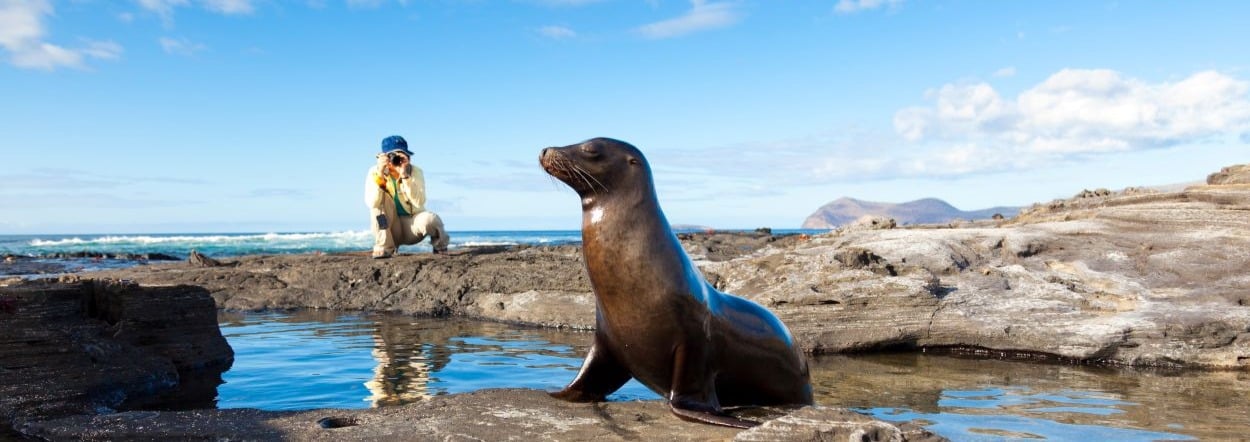
Dining is another area in which cruise lines are improving their environmental impact, Jones said. She pointed out that National Geographic-Lindblad Expeditions has started the first farm-to-table food program in the Galapagos.
“They source over 30 tons of produce from local farmers every year,” she said. Another trailblazer in this space is Hurtigruten, which has created a closed-loop system to compost food waste and turn it into nutrient-rich compost, which is then used on the farms that grow the produce used onboard its ships.
Virgin Voyages has cut back on food waste on its ships by replacing buffets and dining halls with made-to-order dishes at more than 20 onboard eateries. And Scenic Group has also reduced buffets and increased its live cooking stations, which rely on fresh ingredients sustainably sourced from local markets and onboard herb gardens.
All these measures not only benefit the planet but also foodie travelers who value fresh, thoughtfully prepared meals, allowing travel advisors to frame these changes either as sustainability wins or simply as part of a more refined onboard experience.
“Clients are actually getting a better, more luxurious experience with plated meals because cruise lines are trying to be mindful of their waste and getting rid of those buffets,” Jones noted.
Managing Port Impact and Overcrowding
With sustainability in mind, cruise lines have also made improvements to what happens once ships arrive in port. Too many ships arriving at once can strain local infrastructure, overwhelm communities and lead to a less satisfying experience for visitors.
“One of the biggest things we hear clients asking for are itineraries that stop in smaller ports for fewer crowds,” Jones said.
In response, some cruise lines have taken a more intentional approach to itinerary design by adjusting schedules to avoid congestion and favoring smaller, less frequented ports. National Geographic-Lindblad Expeditions, for instance, has moved away from the ports of Isafjordur, Akureyri and Seydisfjordur in Iceland to reduce overcrowding. Windstar Cruises actively promotes its off-season Mediterranean itineraries as a way to see popular destinations with far fewer crowds.
On shore, many cruise lines are also rethinking the scale of their excursions. Smaller group tours and deeper partnerships with local operators are helping spread tourism more evenly while giving travelers a more personal, less crowded way to experience each destination. This approach helps support long-term sustainability and delivers a more personal experience for travelers. Take Uniworld’s Make Travel Matter Experiences, for example.
“Those are experiences and shore excursions that are directly tied to the United Nations’ 17 sustainable development goals,” Jones explained.
Sustainability is only one benefit of excursions like these, Jones added: “Travelers will have small group shore excursions where they can really connect with the local guides and have an authentic experience.” That leads to better days on shore for travelers and the communities they visit.

Using Sustainability Initiatives To Win Clients
The cruise industry’s shift to become more sustainable gives travel advisors ways to surprise and delight clients from multiple angles. Some travelers want the details: which ships are cutting emissions, which companies are investing in conservation and how well their vacation choices align with their values. Others may never ask about sustainability at all but still benefit from its ripple effects, like fewer crowds, better food and more thoughtful shore experiences.
Staying informed about these measures can arm you with talking points that build trust with clients and make it easier to match them with the right cruise line. Jones recommended that advisors regularly review cruise lines’ annual impact reports and talk with business development managers to understand what’s changing.
Having that knowledge doesn’t just allow you to design better trips for clients; it helps influence where the industry goes next.
“If we’re presenting options to clients that support companies doing the right things and also meet clients’ needs and travel styles, we help move the needle in the right direction,” Jones said. “That’s where we as advisors have a huge amount of power to shift the conversation.”
Orginally appeared in the Spring 2026 issue of The Compass magazine
Joni Sweet


comments