
One of the things I love most about the travel industry is that there is always something new to experience. We have opportunities to visit destinations, tour hotels, sail on ships, participate in familiarization trips and learn directly from suppliers.
But I've been thinking about something lately, how much of what we do as travel advisors actually helps us find customers and grow our businesses?
It's a question worth asking because being busy and building a business aren't always the same thing.
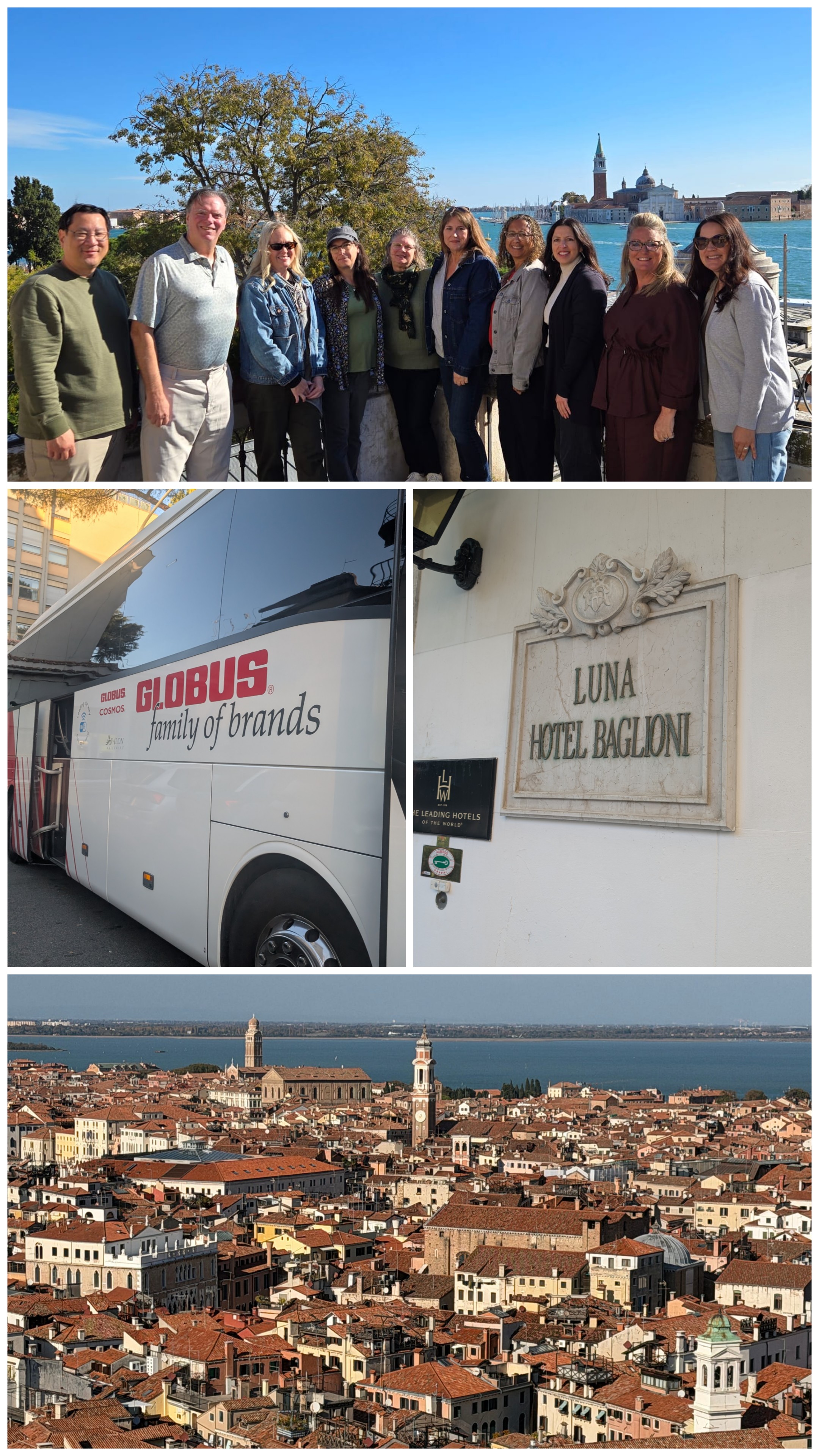
I recently returned from Italy with a group of travel advisors from Dugan's Travels. We spent time exploring Rome, Florence, Verona and Venice on a Cosmos tour. We also incorporated experiences through Project Expedition and Viator, along with an opportunity to tour a Baglioni hotel in Venice. We intentionally planned the trip to expose our advisors to different travel experiences, suppliers and products they could potentially sell. There was a tremendous amount to learn.
We experienced what it's like to travel on an escorted tour. We saw how different excursions can enhance a vacation. We explored accommodations that might appeal to clients looking for something beyond a traditional tour hotel.
But here's the question I would ask every advisor who joined us: “What are you going to do with everything you learned?”
Because going to Italy doesn't automatically make you more successful at selling Italy. What you do after the trip matters just as much as the trip itself.
Turning Experience Into a Business Opportunity
Imagine two travel advisors returning from the same trip. The first advisor shares some beautiful photos on Facebook, tells friends what a wonderful time they had and moves on to the next training opportunity. The second advisor also shares photos but takes things a little further. They write about what surprised them on the Cosmos tour. They explain the type of traveler who might enjoy an escorted vacation. They share how a Project Expedition experience added something special to their itinerary. They reach out to people who have mentioned wanting to visit Italy. They create a short list of travel tips based on what they personally experienced. They use their firsthand knowledge to start conversations with potential clients.
Both advisors had the same opportunity to visit Italy, but one is actively finding ways to turn that experience into business. And that's the difference I want advisors to think about.
Your Photos Are More Than Vacation Memories
Think about how many photos you take when you travel. We probably all come home with hundreds! Those photos can become valuable marketing resources if you use them thoughtfully. Instead of simply posting a picture of Venice with the caption "Beautiful Venice," consider sharing something that helps a potential traveler.
Maybe you explain what it's like navigating Venice with luggage. Or why staying an extra night might give someone more time to explore beyond the main tourist areas. Perhaps you talk about the differences between visiting a destination independently and experiencing it as part of an escorted tour. These are the kinds of details travelers may not know what to ask about. And they're exactly the kinds of things that can demonstrate the value of working with an advisor who has firsthand experience.
What Did You Learn That Could Help You Sell?
One of the biggest benefits of traveling as an advisor is discovering things you wouldn't necessarily learn from a supplier brochure. For example, our Cosmos tour gave us firsthand insight into how an escorted tour operates. We experienced the pace of the itinerary, the amount of walking involved, how transportation was coordinated and what it felt like to travel with a group. That information is valuable when qualifying clients.
Not every traveler is going to enjoy the same type of vacation. Some people appreciate the structure and convenience of an escorted tour. Others may prefer more flexibility, smaller groups or additional free time. Our job isn't simply to sell a tour. It's to help clients understand which type of experience is the best fit for them.
The same goes for our hotel inspection in Venice. Seeing a property firsthand can help an advisor better understand its atmosphere, accommodations and potential appeal to different travelers. But that knowledge becomes even more useful when you start thinking about which clients might appreciate that experience.
Don't Let the Learning End When You Get Home
Here's something I would encourage every advisor to do after returning from a destination experience. Before you get caught up in everyday life, spend some time reviewing what you learned.
Ask yourself:
- What surprised me about this destination?
- What did I experience that I could recommend to a client?
- What type of traveler would enjoy this trip?
- What type of traveler might not enjoy it?
- What questions could I now answer better because I've been there?
- Who do I know who might be interested in this type of vacation?
Those answers can become the foundation for marketing, client conversations and future sales. You don't need to create an elaborate campaign. You just need to find ways to use what you learned.
What Could You Do With One Trip to Italy?
Let's say you returned from Italy with firsthand experience and hundreds of photos. Here are a few ways you could use that experience over the next month.
Week One: Share What You Learned
Create three useful posts about your trip. Not just photos of beautiful places, but information travelers might find helpful. Talk about escorted touring, your favorite experiences or something you wish you'd known before visiting.
Week Two: Start Conversations
Think about people in your network who have expressed interest in visiting Europe. Reach out naturally. Let them know you've just returned and would be happy to share what you learned if they're considering a future trip. You don't need to pressure anyone to book. You're simply making yourself available as a resource.
Week Three: Create Something Useful
Put together a short guide such as "Five Things to Know Before Your First Trip to Italy." Use your own experiences to make it personal. Share it on your website, through your email list or with people who have expressed interest in visiting Italy.
Week Four: Follow Up and Evaluate
Look at the conversations your content generated. Did anyone ask about tours? Did someone mention wanting to visit Venice? Did a past client express interest in a European vacation? Follow up with those people. And take note of what generated the most interest so you can continue building on it. One trip could provide weeks or even months of meaningful business development activities.
The Same Idea Applies to Webinars and Ship Inspections You don't have to travel to Italy to put this approach into practice. Maybe you attended a webinar about a new cruise ship. Instead of simply checking off another training session, think about which clients might enjoy that ship.
Perhaps you toured a resort during a familiarization trip. Who would be a good fit for that property? Or maybe you learned about a destination you've never visited. What could you share that would help potential travelers understand their options?
The question should always be: How can I use what I've learned to help someone plan a better vacation? Because that's where education and experience begin turning into business opportunities.
Are You Measuring Activity or Opportunity?
I think this is an important distinction, particularly for newer travel advisors. It's easy to measure how many webinars you've attended, how many supplier certifications you've completed or how many trips you've taken. But those numbers don't necessarily tell you whether your business is growing.
Instead, consider tracking things like how many meaningful conversations you've had with potential clients, how many inquiries you've received and how many people you've followed up with. Of course, not every conversation will turn into a booking.
Travel planning often begins months or even years before someone is ready to make a purchase. But if you're consistently creating opportunities to connect with potential clients, you're giving your business a chance to grow. And that's something worth measuring.
Travel Is an Opportunity. What You Do With It Matters.
I want our advisors to experience destinations. I want them to tour hotels, sail on ships, learn from suppliers and see the world. Those experiences can make them better travel professionals. But I also want them to recognize that the value doesn't end when they return home.
A trip to Italy can be a wonderful personal experience. It can also become an opportunity to educate potential clients, develop expertise, build relationships and generate future business. The difference is what you choose to do with that experience.
After nearly 30 years in this industry, I've learned that there will always be another webinar to attend, another destination to visit and another supplier to learn about. And while those opportunities are valuable, we also have to make time to put that knowledge to work.
The question isn't just where you've traveled or what you've learned. It's how you're using those experiences to help clients and grow your business. Because ultimately, that's what turns a love of travel into a travel business.
About the Author




comments