

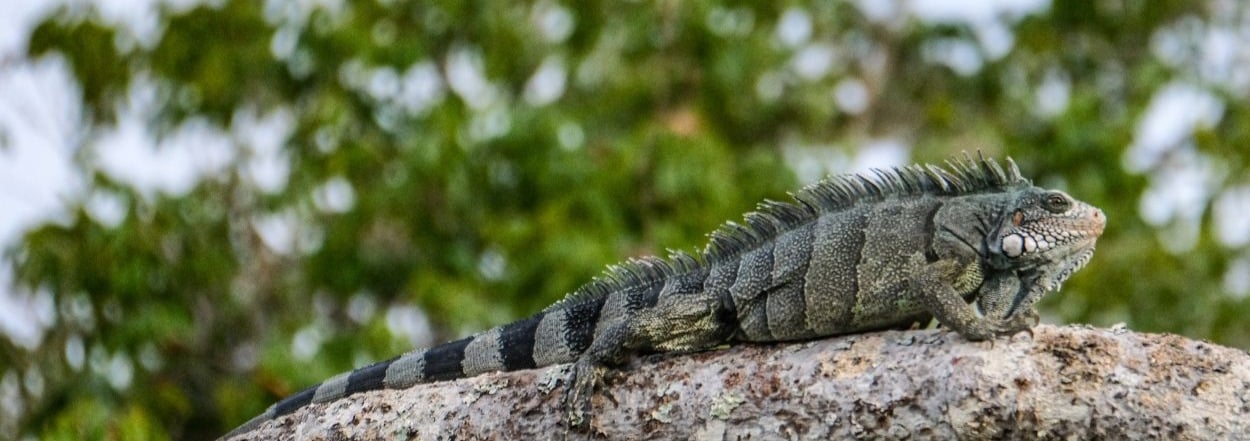
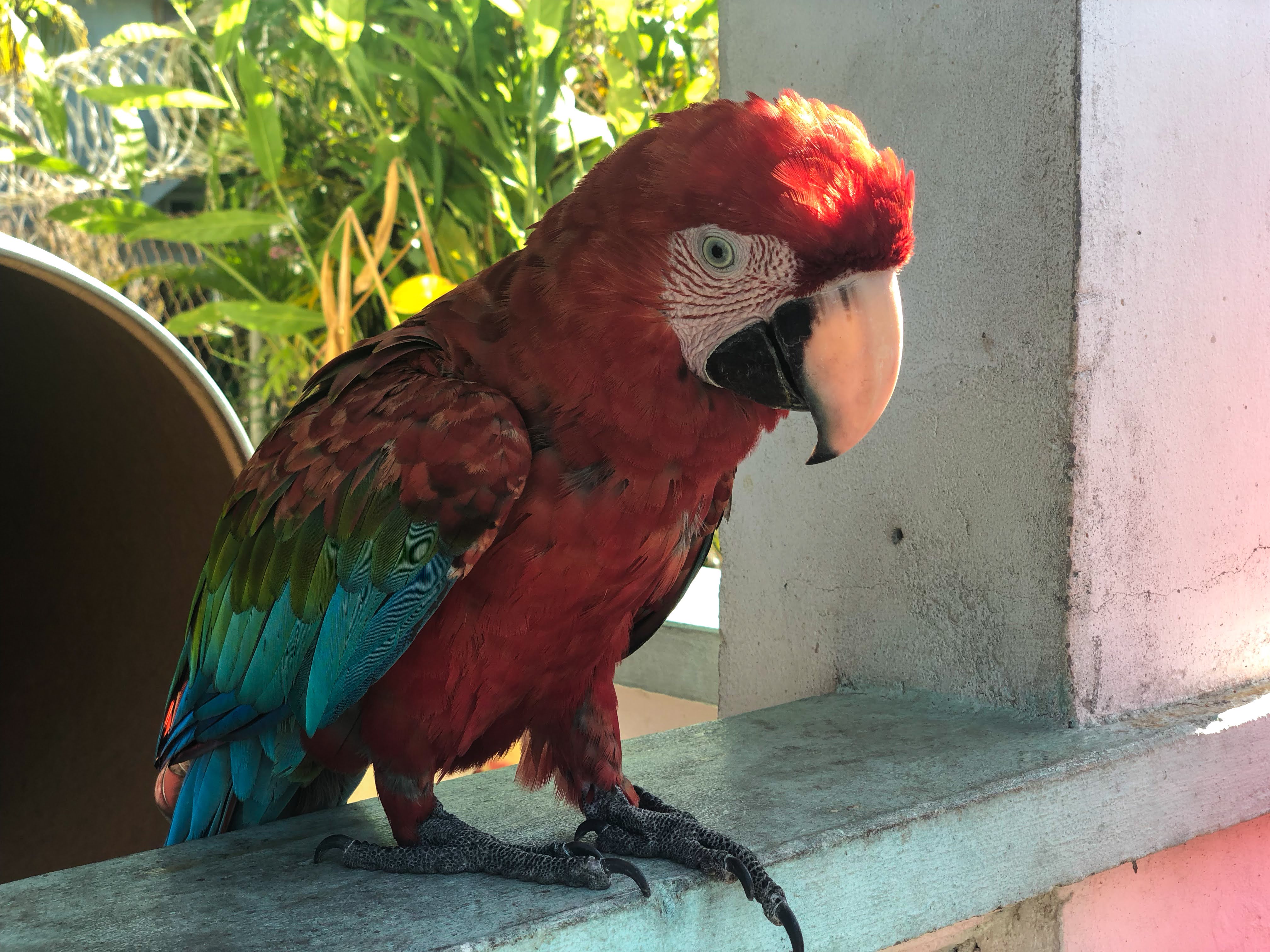
In less than a week, I strolled along the Atlantic Ocean, dined on roti and curry, spotted parrots and anteaters in the wild, watched a 10-foot water lily bloom, napped in a hammock, swam under a waterfall and visited a handful of indigenous villages.
Guyana is one of the most culturally and ecologically diverse countries in the world. Virgin rainforest and savannah cover over 80% of this petite South American country bordered by Brazil and Suriname, providing home to hundreds of species of birds, jaguars, anteaters, river otters and other wildlife. If you have a nature-loving client who is looking for an off-the-beaten destination, Guyana should be on your radar.
What To Do
Spend a day in Georgetown, the capital, with a city and food tour with Visit Guyana. Sample street snacks, visit a drive through market, take in some history and feed the manatees at the National Park before visiting the Botanical Gardens. Book dinner in a secret garden at the Backyard Café, named as one of TIME magazine’s World’s Greatest Places of 2026.
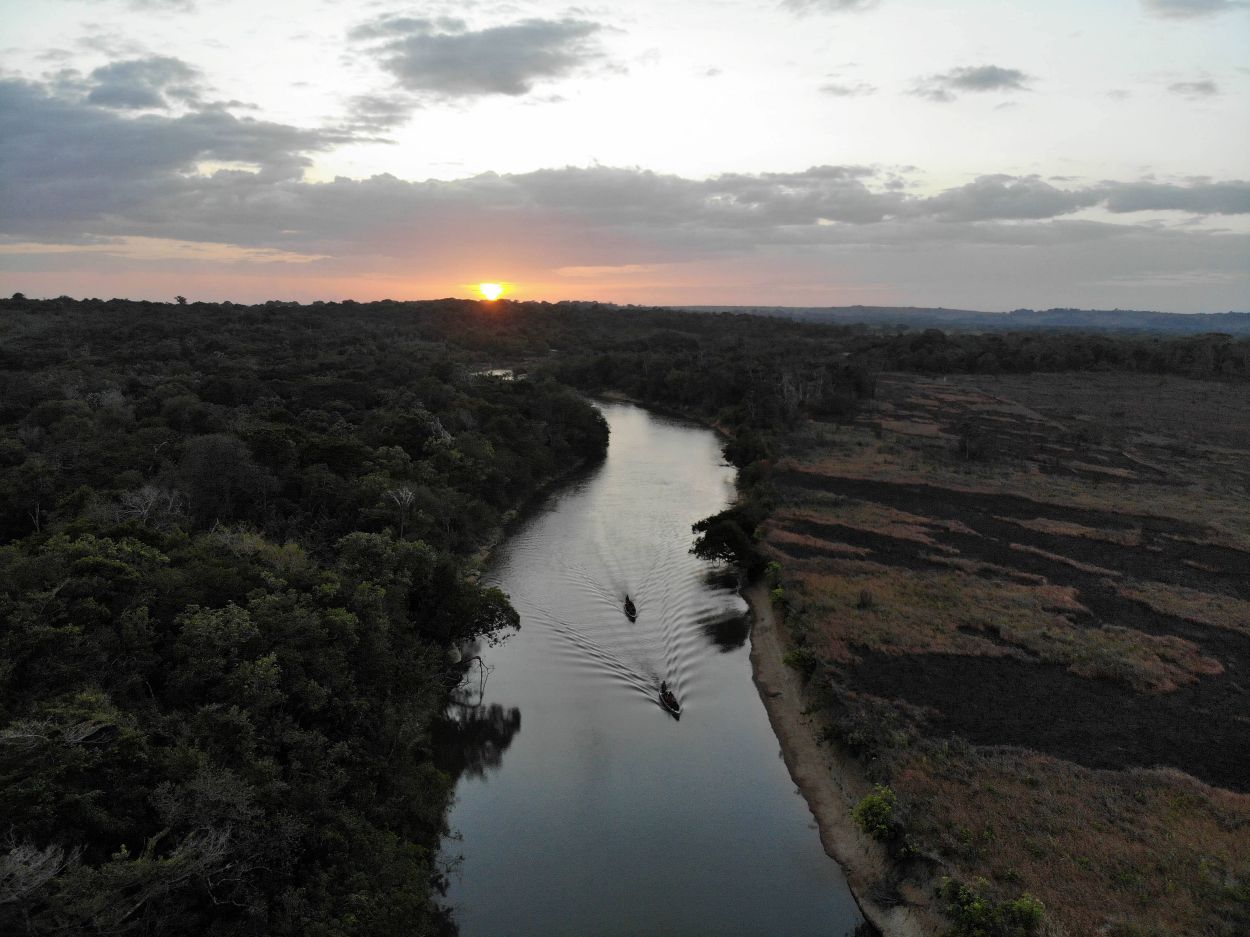
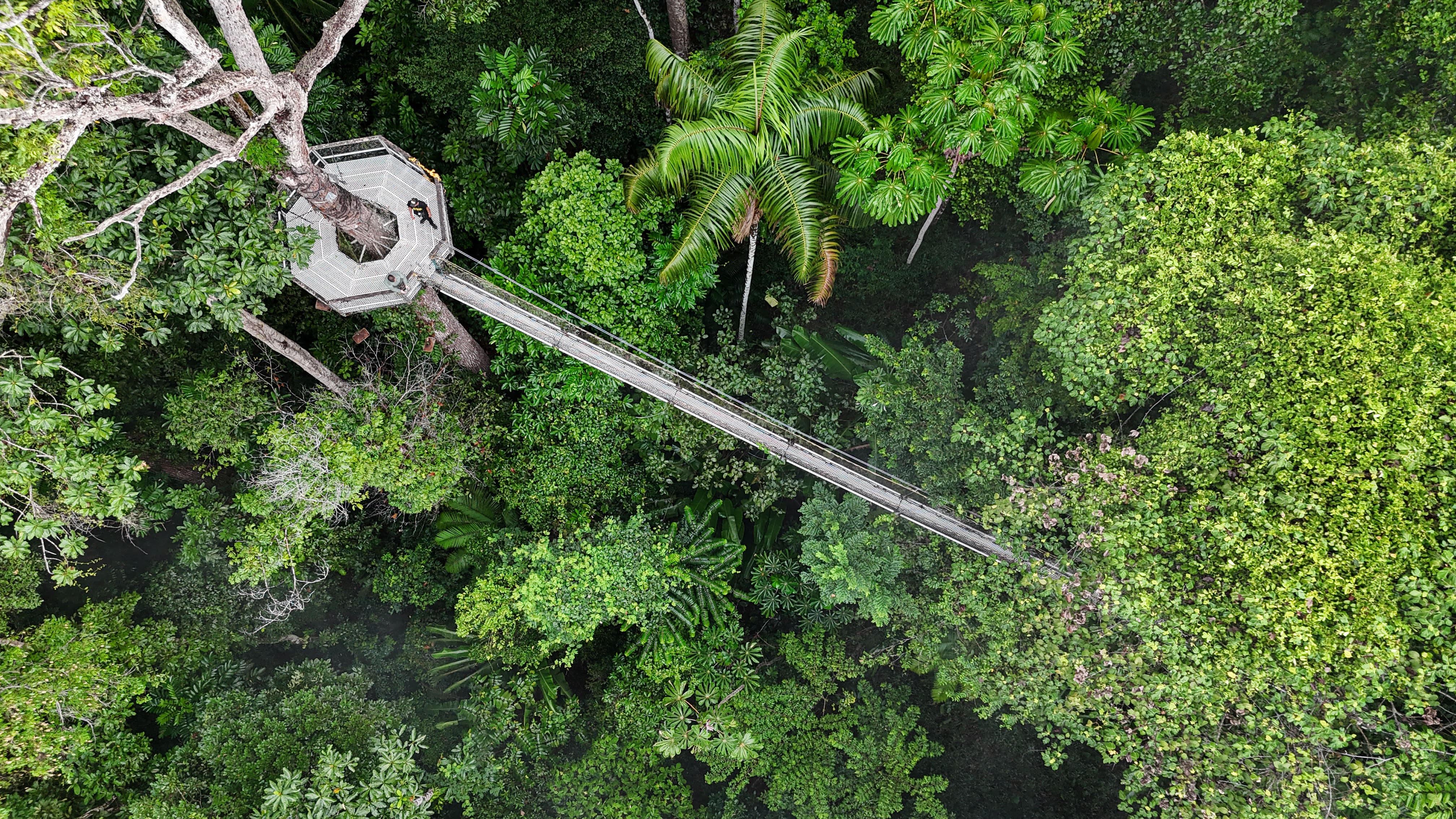
Travelers should allow at least a full week to explore Guyana’s interior. From gently strolling the rainforest and bathing in a waterfall to adrenaline-producing hikes and jungle survival courses there’s a style for everyone. Birding walks, visits to local villages and exploring the rivers and waterfalls that give Guyana its Amerindian name of “land of many waters” are just some of the possibilities.
Where To Stay
From high-end luxury hotels in Georgetown to rustic lakeside camping, Guyana has a range of accommodations. A selection of eco-lodges in the interior of the country offers solar-powered guest houses with full-board options for a true immersive experience. For clients who want to see birds and other wildlife, a night or two at a remote lodge is a must. Community-based tourism is where Guyana shines.
Many lodges offer activities such as wildlife walks, river tours, stargazing and side trips to neighboring villages, making building all-inclusive packages easy.
Climate
Guyana’s position near the equator means there’s very little temperature change throughout the year. There are two seasons: dry and green (rainy). Expect warm temperatures with high humidity. Peak dry seasons near the coast run from mid-January to May and mid-July to mid-November. In the interior, drier weather spans January to early May and September to December.
Who Is It For?
Nature-lovers, birders, adventure travelers and anyone looking to experience the outdoors and indigenous culture in a less-touristed region of the world will enjoy Guyana. Many eco-lodges are remote, with limited internet or cell reception, so travelers should expect to disconnect and tune into the country’s stunning beauty.
Accommodations are comfortable but be prepared to swap air conditioning and hot showers for a swim in the lake and a siesta in a hammock. Recommended for adventuresome singles, friend groups, couples and families with older children or teens.
What To Bring
Focus on lightweight, breathable clothing including long sleeves and pants to protect against mosquitos and sun. Bring hiking boots or sturdy walking shoes, swimsuit, water sandals, a wide brim hat, sunscreen and bug spray. A headlamp comes in handy for night hikes and bring a small backpack for daytime walks. Pack a camera and binoculars to capture the wildlife views. Note that some domestic flights impose 20 lb. weight restrictions on luggage.
Good To Know
Guyana Time (GYT) is UTC-4 which means from March to November clocks match Eastern Standard Time. The rest of the year Guyana is one hour ahead of the Eastern U.S. Unlike most of South America, drivers in Guyana drive on the left. Currency is the Guyana dollar.
Getting There
Cheddi Jagan International Airport (GEO) in Georgetown serves as the main airport for international passengers arriving in Guyana. Direct flights from the U.S. include Miami, Houston and New York. For Canadian travelers, several airlines offer flights from Toronto. KLM Royal Dutch Airlines launched a direct flight from Amsterdam to Guyana in June 2025, providing a convenient gateway from Europe. Regional connections are also possible from Barbados, Panama, Suriname and Trinidad and Tobago.
Travel outside of Georgetown to Guyana’s eco-tourism core relies on internal flights as overland travel involves long hours on unpaved roads. Many lodges don’t have booking websites, so travel advisors must work with inbound tour operators like Wilderness Explorers to build trips for clients.
Visit Guyana Tourism Authority for virtual tours, cultural information, destination inspiration and online travel training options.
Kirsten Harrington



Haneefa D | 06/15/26 - 07:42 AM
Wonderful insights on this destination
| reply ⋯