
Defined by Merriam-Webster as “an amusing or interesting item (such as a captioned picture or video) or genre of items that is spread widely online especially through social media,” memes are the Internet’s favorite form of communication. They’re akin to modern hieroglyphs, telling a visual story to their audiences and acting as an outlet for people to react to current trends and events in a less-than-serious fashion.
A popular meme can spread like wildfire. And, while it might be hard to believe a side profile of Kermit the Frog sipping a piping hot cup of Lipton Tea or a dog in a bowling hat donning a dopey smile as the room around him bursts into flames — “this is fine,” he says — have any deeper meaning, when paired with the right words, memes are a way for members of the online world to connect with one another, their relatable nature fostering a bond between the people who “get it” and sparking intrigue among the ones who don’t.
“A meme is an idea, behavior, or style that spreads from person to person within a culture,” said Katie Murphy, social media manager at noticed. “(They) serve as a form of cultural commentary, addressing current events, trends, and issues in a satirical way. They tap into shared experiences and cultural references that resonate with a broad audience — they are simple, easily digestible, and humorous, which makes them easy to share.”

How Memes Can Help Grow Your Business
Considering their popularity, it was only a matter of time until memes permeated the business world. As travel advisors scroll through posts shared by members of their professional circle — including big brands and tour operators — on places like Facebook, Instagram and even LinkedIn, they might find that things have gotten a whole lot sillier as of late. The reason for this general uptick in goofiness is twofold: 1) Creating and sharing memes helps to humanize a brand, and 2) Posting memes is an easy way for brands and business owners to attract and engage with their target audience. And the good news is, travel advisors can do it too.
“Travel advisors want to sell experiences, and in my experience it’s easiest to humanize content through relatable and timely content,” said Murphy. “Memes and trends are cultural currency. When used strategically, they allow advisors to show personality, connect with niche audiences, and make their brand feel modern and approachable. Memes break the ice, make people laugh, and build trust. They’re not just humorous, they’re tools for visibility, engagement, and brand differentiation.”
And while it might feel like a faux pas to crack jokes in a space created to promote your business, there’s data that shows the value in becoming a “memer,” a person who creates or distributes memes. In fact, in an article titled “Memes: A Digital Marketing Tool For Every Industry,” Forbes shared that of the three billion people who use social media, 60% use it to share memes and funny content. Similarly, the outlet found that meme marketing campaigns garner nearly 10 times more reach than those without, citing 60% organic engagement on platforms like Facebook and Instagram — as opposed to the 5% of engagement seen by standard marketing graphics, according to Forbes.
Knowing What’s Trending and When To Post
Ok, so you’ve decided you want to try your hand at meme marketing, but where do you start? According to Murphy, knowing what’s trending, what to post and when to post it requires some strategy. “It can be really tricky to know what’s trending, especially when things move so quickly in social media,” she said. “I keep a close eye on platforms like Instagram and TikTok to keep up. Pages like Memezar and Great British Memes on Instagram, and Girl Power Marketing on LinkedIn are super helpful for finding relevant, timely humor online. If a meme has been picked up by big brands or is being parodied excessively, it may be that it’s past its peak. I also use gut instinct a lot. If I cringe when I see a trend, it’s likely time to move on.”
In the same vein, it’s important to understand that not every online trend or meme is going to be the right fit for your business. When determining if you should hop on the latest bandwagon, Murphy says you should ask yourself three quick questions: 1) Will my audience “get” it? 2) Does it align with my brand voice and values? And 3) Can I bring a unique spin to it, rather than just copying it?
“Not every trend is meant for every business,” she said. “If it feels forced, it’s best to skip it than risk looking inauthentic. (As a) best practice, adapt the trend to your niche. Take something universal and make it hyper specific to your audience.”
Thanks to the nature of ever-changing algorithms, the best days and times to post on social media are constantly evolving. That being said, timing isn't necessarily as important as sharing content consistently, with experts largely agreeing that posting regularly across platforms is essential for brands and businesses looking to gain more followers and boost engagement.

How To Create a Meme
If you haven’t dabbled in meme marketing before, let alone created a meme of your own, getting started can feel intimidating. Luckily, Murphy says, while this form of content creation comes with its own learning curve, it’s extremely forgiving. “Your first meme might flop and that’s okay,” she said. “Don’t overthink it … Use humor to highlight a common frustration, joy, or quirk your audience experiences, (and) remember that low production value is part of the charm … The more you post, the better your sense of timing, tone, and audience response will become. Most importantly, have fun with it.”
When it comes to the creative process itself, there are a few essential tools every good memer needs in their toolbox, with Murphy listing Canva, CapCut, Notion and Google Sheets as some of her favorites. According to Murphy, Canva, with its free meme generator, is her go-to for making memes as well as graphics and carousels; CapCut is great for editing quick, trend-based videos; and Notion and Google Sheets are perfect for content planning and documenting ideas.
Advisors looking to learn more about how to use tools like Canva or CapCut can visit the platforms’ websites to browse their extensive collections of online tutorials. Similarly, if they’re interested in taking their skills to the next level, they might consider enrolling in Canva’s Design School to really up the ante. Alternatively, if advisors aren’t interested in picking up a part-time gig as “designer” to back their marketing efforts, that’s ok too, as, like we mentioned above, some of the best memes are as low frills as they come. Instead, it’s all about the statement they’re trying to convey.
“Humor, when done well, captures attention,” said Murphy. “Combine that with a simple message, and you’re winning.”
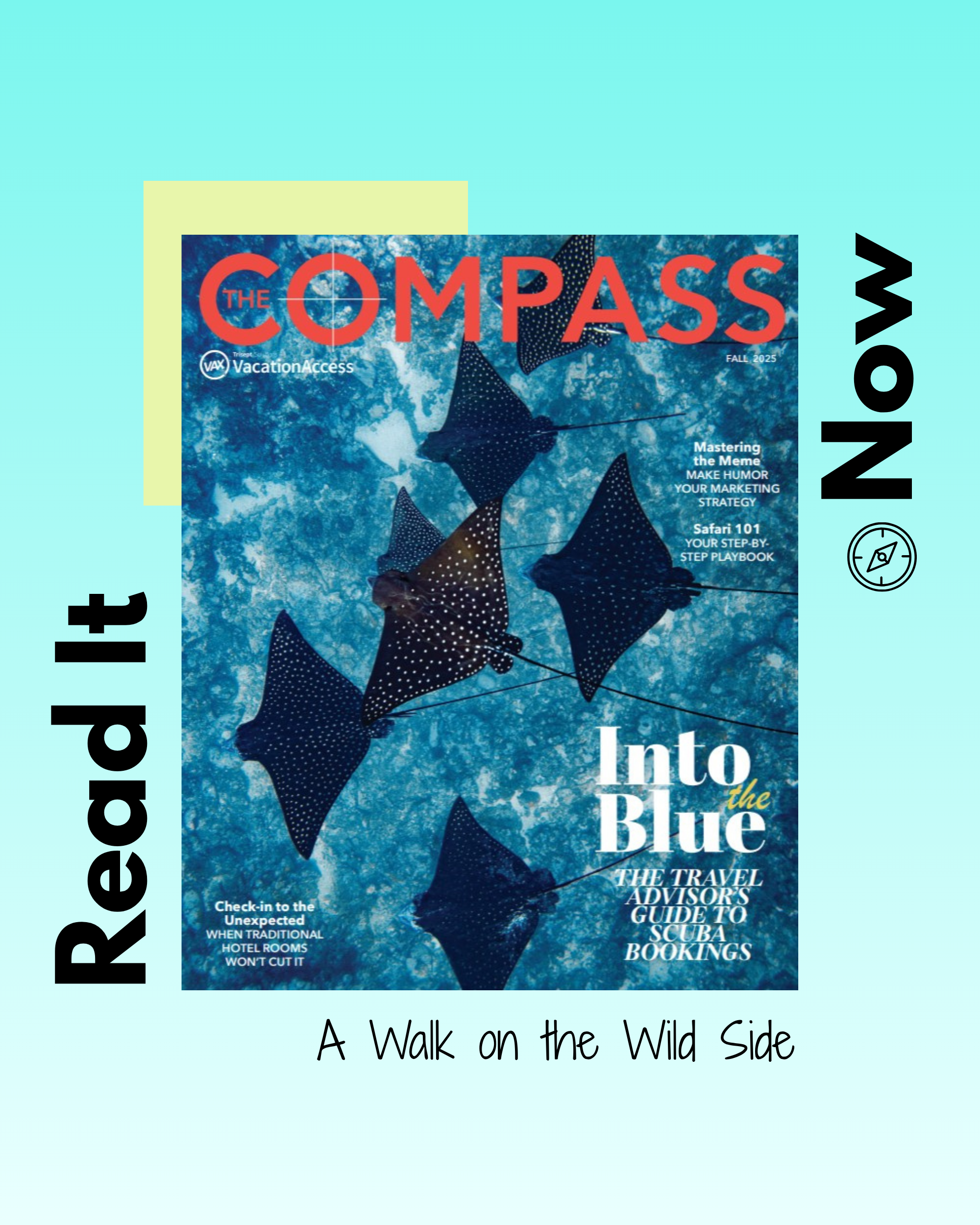
Orignally appeared in the Fall 2025 issue of The Compass magazine
About the Author





comments