

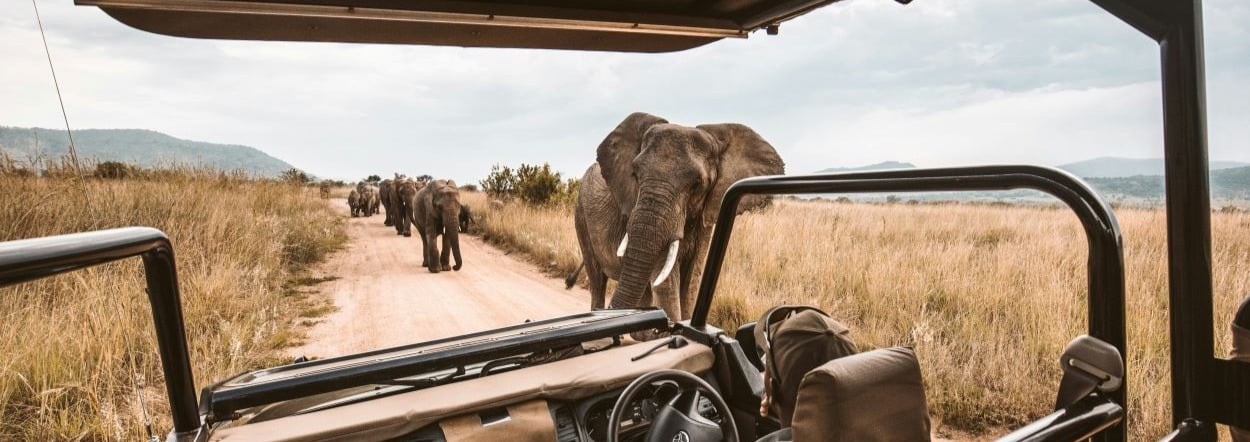
Early morning game drives across the Masai Mara. Balmy evenings around a tented fly camp beneath the stars. The roars of nearby lions, marching hoofbeats and the wind whistling through the branches of Acacia trees across the savannah.
There’s nothing quite like an African safari, and travelers know it. The industry is booming, driven by strong demand, expanded luxury options and more offerings that cater to a variety of budgets and travel styles. It’s why travel advisors say it’s the kind of trip their clients want to take again and again.
“When we say life-changing, it’s not an exaggeration,” said Jenny Salentine, a safari specialist who oversees North and South America trade relations at Bush and Beyond, a Kenyan safari tour operator in Nairobi. Salentine added that many first-time safari travelers end up returning to the continent after discovering how diverse and wild it is.
“Honeymooners will return with their new and growing families; couples will choose to take their families on multigenerational trips,” Salentine said. “A travel advisor who knows the continent intimately is well-positioned to be the trusted source for their clients’ future nature- and adventure-focused trips.”
Go2Africa’s 2024 African Safari Report found that search trends for safaris increased 12% in 2024 compared with the previous year. Booking multiple countries to visit for safari trips versus just one remains popular, with the report citing a 29% to 34% jump, first seen in 2023 and remaining steady in 2024.
The safari season is widening, too. Typically, the peak travel season is June through August, with July being the most popular month. But according to Go2Africa, travelers are increasingly booking trips in June, September and October — and awareness about going on safari in the “shoulder season” months is also gaining more interest.
New safari lodges and camps, particularly in the luxury space, are continually developing, with brands like A&K Sanctuary, Wilderness Collection and Ker & Downey expanding their portfolios. Ritz-Carlton is slated to open its first safari camp in Kenya’s Masai Mara next month, and JW Marriott will add another property early next year.
Who is going on safari is also evolving. Couples continue to make up the largest market of safari-goers, accounting for 45% of safari travelers. But Go2Africa reported that the rate of multigenerational family bookings has also increased. Solo travel is on the rise, too, increasing from 12% to 13% in 2024.
“There’s been a noticeable increase in families choosing safaris as their ideal holiday,” said Maija de Rijk-Uys, Go2Africa managing director. “More lodges and experiences are catering to children and multigenerational travel, making it an incredibly rewarding experience for families looking to connect with nature together.”
From intimate luxury stays to rich cultural encounters, safari travel experts are adamant when they say there’s something for everyone.
“There’s a constant stream of new properties, experiences and emerging destinations,” said Valerie Paul, manager at Valerie Wilson Travel by Chase Travel. “Whether someone is dreaming of a classic game drive safari or a luxurious, private flying safari experience, there’s truly something for every interest.”
With so many options, how do you know where to begin planning a safari adventure? Here’s what Salentine and Paul recommended.
Planning a Safari
Step 1: Study the Market
The best first step, according to Salentine, is to familiarize yourself with the industry and the continent where most safaris happen.
For advisors just beginning to learn about Africa, “the best way to grow your knowledge (and network) is to spend time exploring the continent,” Salentine said.
Joining a familiarization (FAM) trip with a tour operator or tourism board can help new-to-safari advisors get firsthand, on-the-ground experience, which Paul said is the most straightforward way to understand how safaris operate and what to expect. It can also uncover ways you can customize the experience for clients.
“Even one trip can give you unique insight into the wide variety of safaris that are available today,” Paul added. “Ideally, visit both East and Southern Africa and stay in a mix of accommodations — from tented camps to luxury lodges.”
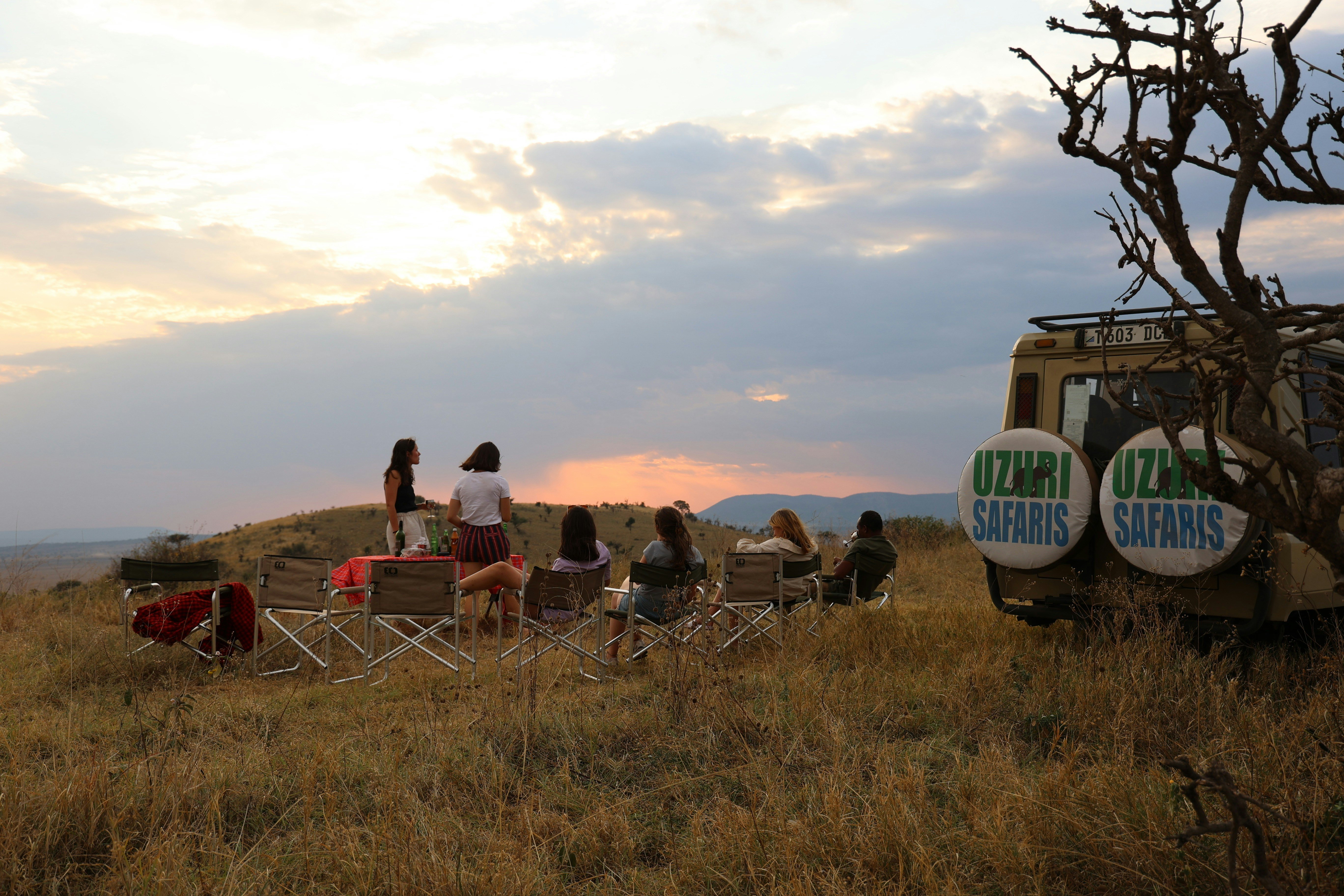
Salentine said joining a FAM trip not only helps you learn about the destination but is also a great way to meet other travel advisors, share experiences and build a network that you can call on for advice, questions and insights.
“There is a Kenyan proverb: ‘If you want to go fast, go alone; if you want to go far, go together,’” Salentine said, adding that relationships are important for safari planning.
“The traveler is putting their trust in their advisor, and the advisor is drawing from their knowledge and the knowledge of their trusted partners in-country,” she added. “With a solid relationship, everyone benefits, giving the travelers the best experience and, on the off chance that something goes awry, a solid network to help work out any issues.”
Step 2: Vet Your Clients
Once you’ve familiarized yourself with how safaris work and what to expect, it’s time to get to know your clients.
“The key to booking a great safari is really getting to know your client and their travel wishes before you start planning,” Paul said. “Many travelers see a safari as a once-in-a-lifetime experience, so it’s important to help them explore the different options — from types of accommodations to how much game viewing they want or whether they’re comfortable with small aircraft transfers.”
Paul also recommended asking clients detailed questions early on and working with a trusted supplier.
“Take time to carefully review each proposal, and don’t hesitate to ask questions before presenting it to your clients,” Paul said.
Step 3: Identify Top Safari Locations
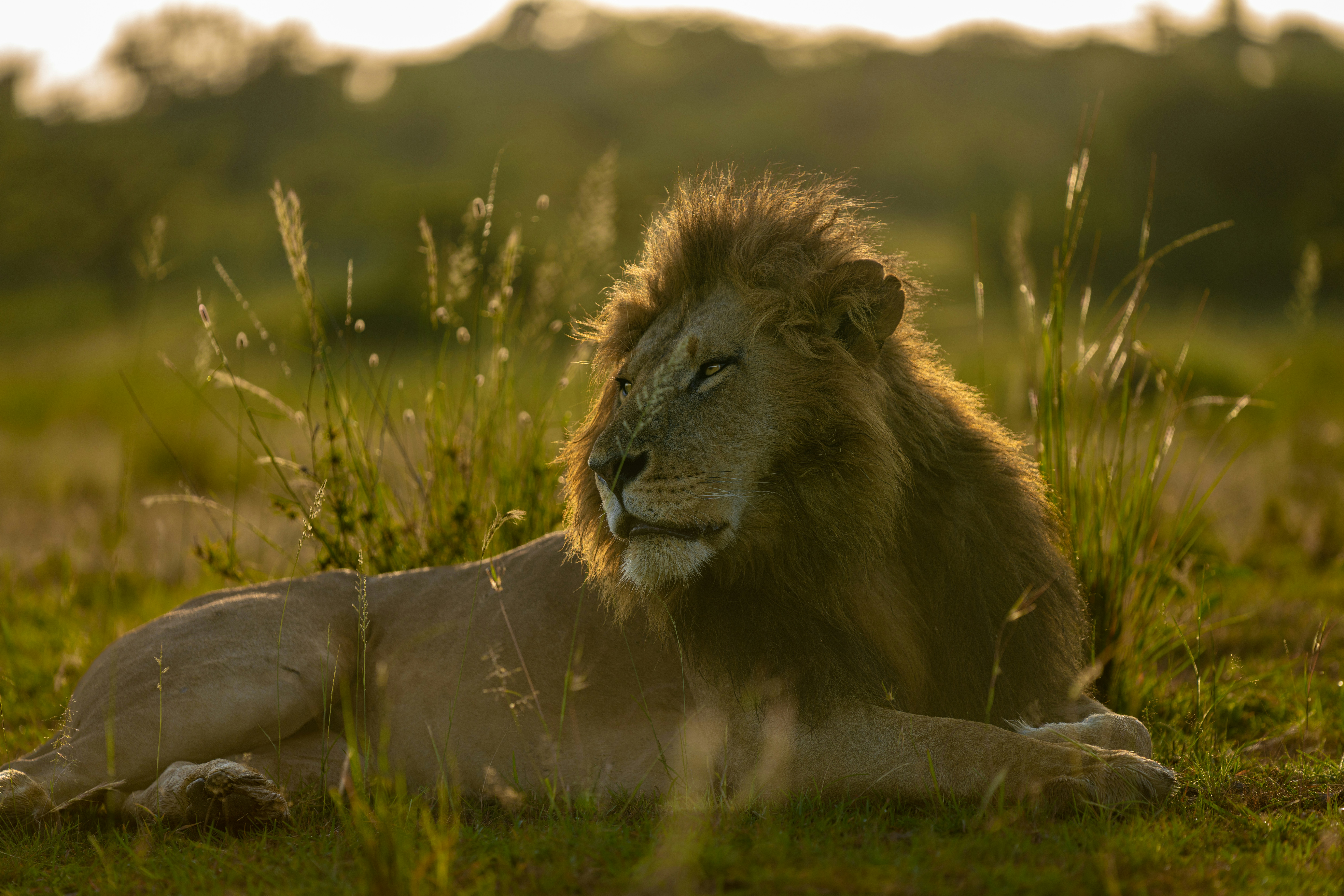
While spotting the Big Five — lions, leopards, elephants, buffalo and rhinos — remains a traditional safari goal, today’s travelers are just as eager to experience the full ecosystem, including giraffes, cheetahs and hippos.
South Africa is one of the most popular and in-demand safari destinations. It’s also one of the most reliable places for Big Five sightings. The country is home to Kruger National Park, one of Africa’s largest game reserves, as well as a number of other private reserves.
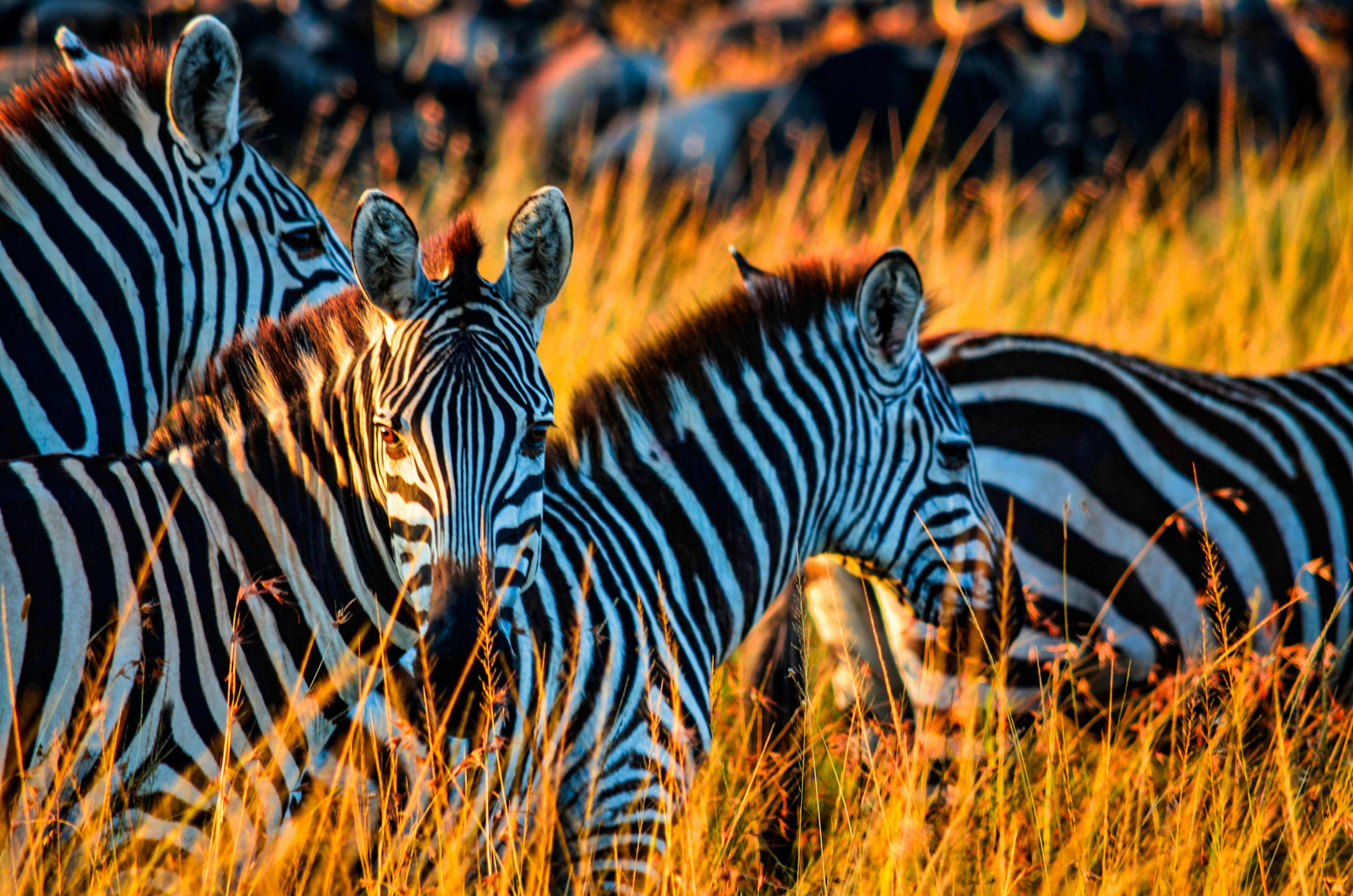
Tanzania, another popular choice, is home to the Serengeti, a sprawling region of protected savannah known for its annual great migration of more than two million wildebeest, hundreds of thousands of gazelles, zebras and other mammals who set out in search of water and food.
Kenya’s Masai Mara also draws visitors for its Big Five sightings and as a prime location to witness the migration.
Other standout safari destinations include:
- Botswana, for the lush Okavango Delta and Chobe National Park
- Zimbabwe, home to Hwange National Park and its 30,000 elephants, roan antelopes and the endangered black rhino
- Namibia, where desert landscapes meet thriving wildlife like elephants, lions, leopards and giraffes
Beyond the traditional game sightings, there’s also gorilla trekking in Uganda and Rwanda, along with abundantly diverse birdwatching opportunities in countries including Madagascar, Malawi, Zambia and Ghana.
And don’t forget safari-adjacent destinations that are also increasingly popular with travelers. Think beach destinations like Zanzibar, which is a popular addition to Tanzanian safaris, and Indian Ocean destinations like the Seychelles and Mauritius.
Step 4: Know When To Go
While safari opportunities are available year-round in Southern and East Africa, like most destinations, there’s a high season and a low season.
In general, the high season, or peak period, is cooler and drier and runs from May through October, while the warmer, low season, also known as the green or rainy season, runs from November through April or May. The exact months vary slightly depending on location.
The dry season offers milder weather — 70s during the daytime and cooler temperatures at night — and, in Southern Africa, increased visibility due to thinner vegetation, which means better wildlife-viewing conditions.
The rainy season is the hottest and wettest time of year, with temperatures climbing upward of 90 degrees during the day and short but frequent afternoon thunderstorms. Some camps close during parts of the rainy season, particularly in East Africa where rainfall can be heavier. The benefits of going on a safari during this season are seeing lush, green landscapes and wildflowers and witnessing mating season and the births of new calves.
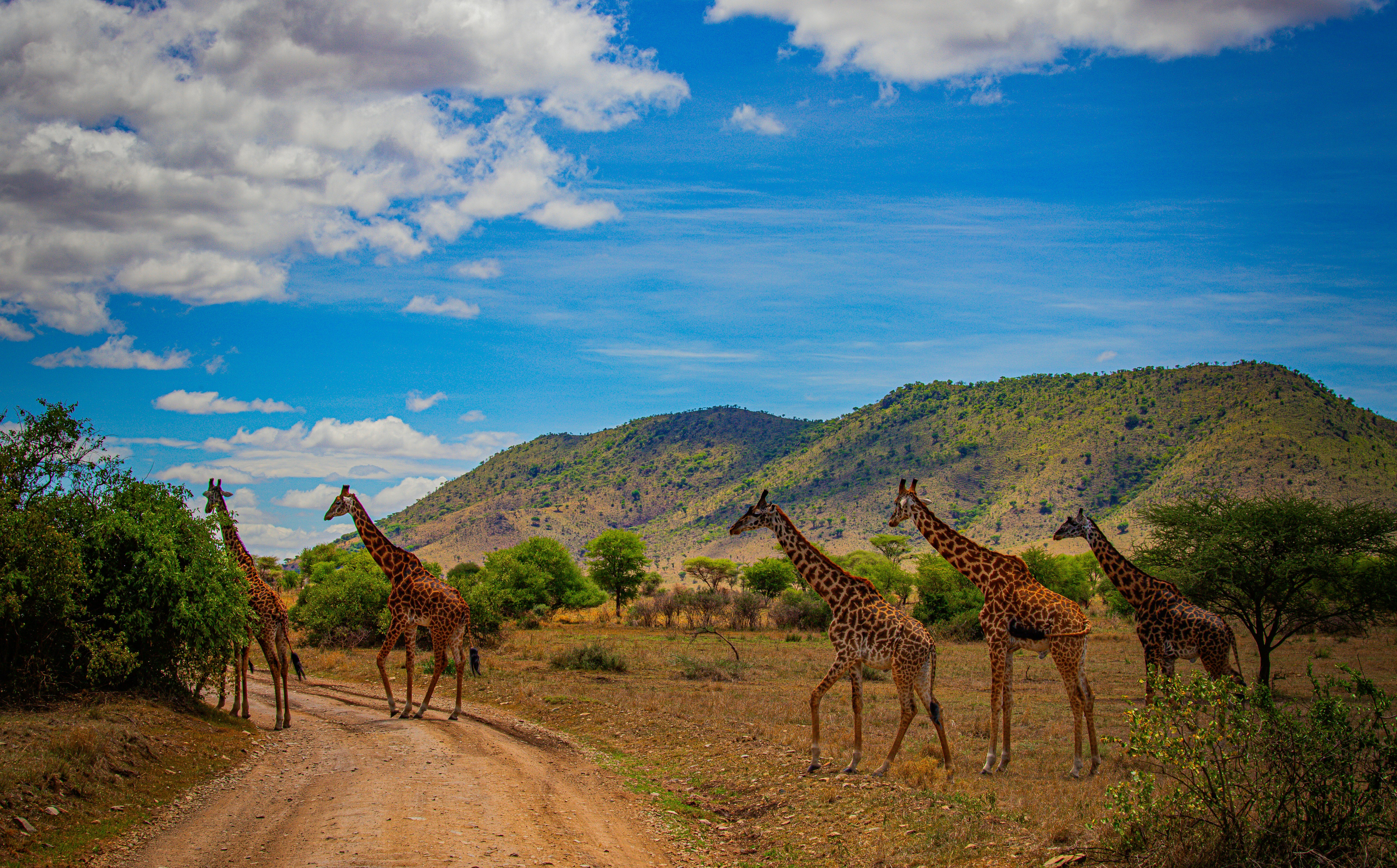
Pricing and availability are also important seasonal factors. Rates are higher in the peak season, and availability can be limited, so booking as early as possible is always recommended. In the low season, however, rates are lower, availability is more abundant, last-minute booking is more flexible, and parks aren’t as crowded.
Compare the benefits of booking during the high season versus the low season to offer your client the best experience for their needs.
Step 5: Give Your Client a Packing List
Luggage is always a point of interest among first-time safari travelers, and as Salentine and Paul noted, it’s important to communicate any requirements regarding size and weight, as travel between safari camps often takes place on smaller planes. That said, traveling light is key, and soft-sided luggage or soft duffel bags are best.
Neutral colors are a staple of safari wardrobe as they help guests blend in with the environment more naturally, ward off insects and also help regulate body temperature throughout the day, as opposed to darker colors.
Packing athleisure wear can be useful, but clothes that are light and loose are the best way to go as they allow easy movement — think linen and cotton. Clothes with pockets are also handy.
Pro-tip for gorilla trekking clients in Rwanda or Uganda: Bring a pair of gardening gloves. They’re useful for scaling hillsides and trails covered in prickly flora.
Other packing essentials include sturdy, closed-toe shoes, hats with adjustable straps, sunglasses, plenty of sunscreen, bug spray, binoculars, swimwear and waterproof layers.
What not to pack is just as important. Travelers should avoid perfumes and scents, formal wear (attire is generally casual throughout), camouflage print and, most importantly, drones, which are either banned or restricted in a number of safari destinations.

Step 6: Don’t Forget Insurance
Travel insurance is usually required for African safari trips, noted Salentine. Safari companies will, at minimum, require a medical evacuation policy.
“There are many wonderful insurance companies out there; Travel Guard has been a solid choice for many travelers,” Salentine said. “For those who wish to compare policies to find the best one for them, travelinsurance.com is a trusted spot to start.”
It’s also a good idea to consider insurance that includes coverage for trip cancellations and interruptions, lost or delayed baggage, personal belongings and mishaps or injuries stemming from destination-specific activities like gorilla trekking and water activities.
Beyond the African Reserves
While already thriving, the safari market has continued to evolve and expand out of traditional destinations and into destinations that travelers may not always consider when thinking of wildlife experiences. Here are a few to keep in mind:
- Gambia: A lesser-known destination in Africa that offers unique safari experiences. Travelers can enjoy sightings of hippopotamuses, chimpanzees and wild boar at places like River Gambia National Park, Kiang West National Park and Bao Bolong Wetland Reserve.
- Senegal: Known for its sightings of giraffes, zebras, antelopes and rhinos at Bandia Wildlife Reserve.
- India: A popular destination for tiger safari experiences. Popular parks include Bandhavgarh National Park, Ranthambore National Park and Kanha National Park.
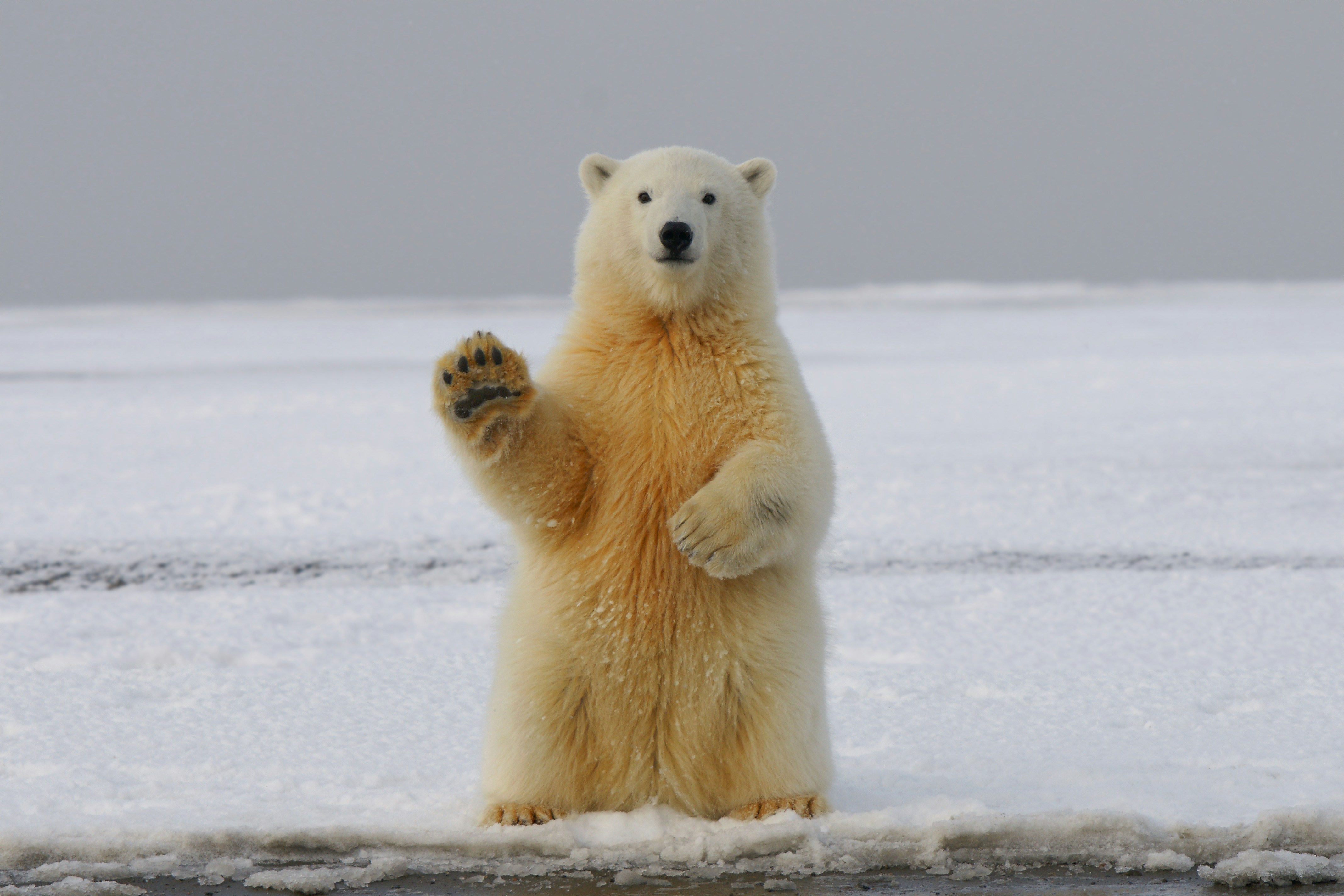
- The Arctic and Antarctica: Polar safaris are on the rise, with travelers looking to see polar bears, narwhals and beluga whales, humpback whales, penguins and seals.
No matter what kind of safari you’re helping a client plan, the rewards are indelible for trips planned with care and passion.
“I’ve specialized in safari travel for many years, and it’s helped me gain a deeper understanding of what clients truly want across all types of trips,” Paul said.
Planning safaris takes significant time and personal attention, Paul added, but said the reward is well worth the work and comes from delivering a truly transformative travel experience for her clients.
“It’s absolutely a great time to be in the safari business.”
Originally appeared in the Fall 2025 issue of The Compass magazine
Nicole Edenedo





comments