

Flipping on a light switch at night, employment opportunities for men, women and youth, lessons about wildlife and conservation in school — it’s the seemingly inconsequential things we take for granted that could change the lives of others.
For the small village of Habu, situated near Botswana’s Kavango-Zambezi Transfrontier Conservation Area, such advancements are becoming a reality, thanks to a powerful partnership between luxury safari operator African Travel Inc. (ATI) and conservation organization Wild Entrust Africa (WEA).
With support from The TreadRight Foundation (ATI’s philanthropic arm), the collaboration has launched three transformative projects under the Community Coexistence program. Each initiative works toward addressing the two deeply connected goals of poverty eradication and biodiversity conservation, helping build a more sustainable and independent Habu.
Village Kids
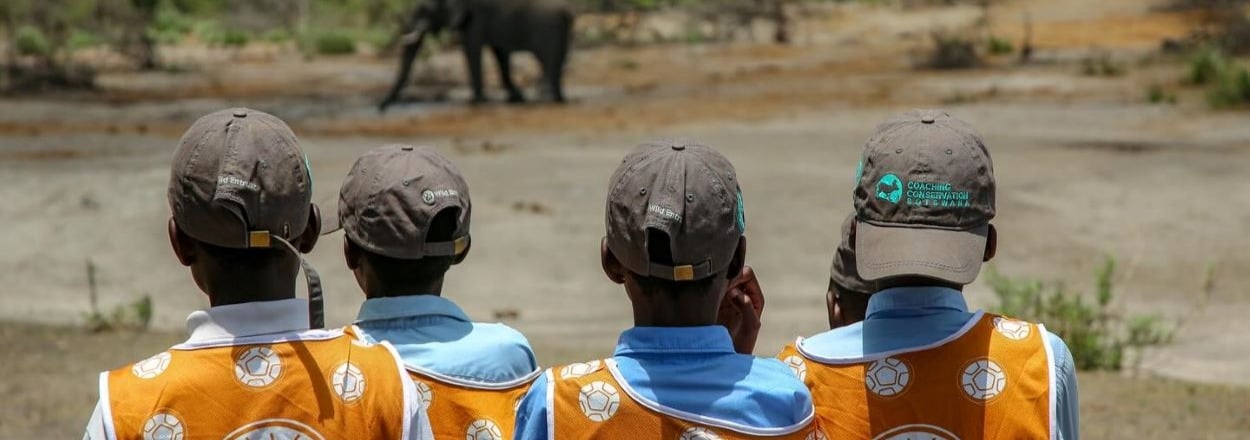
Focusing on long-term change, the first grant-funded project aims to educate Habu’s youth, as their thirst for knowledge and curiosity about the world sets them up to be ambitious changemakers in the future. The Village Kids initiative uses a combination of sports and engaging storytelling to teach environmental stewardship and coexistence with wildlife.
Through interactive games, play and activities, participants learn how their daily choices impact themselves, their land and broader communities. Given the region’s proximity to an animal conservation space and history of bushmeat hunting, implementing human-wildlife conflict management strategies is critical.
These efforts have not been made in vain, as, according to WEA’s website, 90% of the participants have gone on to develop their own community projects rooted in wildlife empathy and coexistence. Not only is it an environmental win for the village, but this innovative thinking sparked by young minds is paving the way for long-term success and sustainability.

Village Lights
In Habu, electricity is scarce, and the Village Lights project was nothing short of life-changing for residents. Because few homes here had reliable lighting, it was a challenge for students to study in the evening. This changed in 2021, when The TreadRight Foundation directly supported the distribution of solar lights to 150 primary school children, with 83 more added in 2023.
The project didn’t stop there. In addition to the lights (which provided an extra hour of learning), the kids also received book bags with conservation-focused reading materials, emphasizing the importance of education and reinforcing lessons about wildlife and biodiversity protection.
Village Greens
Perhaps the most ambitious of the three initiatives, Village Greens addresses employment and food security through a full-circle system. In partnership with nearby Xigera Safari Lodge, women and out-of-school youth collect food waste from the property, turning it into compost and, later, a fertile soil for the gardens. The fresh fruits and vegetables are sold back to Xigera to help support the local economy, while the remaining produce feeds families in the community.
TreadRight’s role in the project goes toward the ongoing maintenance of the garden while also providing training for those tending it, helping to optimize Habu’s harvests. The interwoven system between the brands may involve a few moving pieces, but the collaborative effort has created job opportunities for over 40 residents while boosting the village’s economic security.
Moving Forward
Each initiative — Village Kids, Village Lights and Village Greens — made an immediate impact on the lives of those in Habu, and more importantly, has set the community up for long-term and sustainable change.
“I believe our innovative Village model offers a unique opportunity to develop a new ethos of collaboration, resilience and empowerment,” said Monty Montshiwa, Community Coexistence program coordinator, on WEA’s website. “I am excited to expand and partner with new villages who share our vision.”
Advisors and clients who want to support the sustainable travel mission can do so in two meaningful ways — both of which help the industry give back to the people and places that make these experiences possible. The first option is by donating directly to TreadRight’s partners, such as WEA, which continues to fund their improvement and conservation projects. Alternatively, travelers can book with any of TreadRight’s affiliated travel companies, like African Travel Inc. In either approach, TreadRight encourages travelers and professionals alike to choose a project or brand that most closely aligns with their personal values to help make a greater impact.
Originally appeared in the Fall 2025 issue of The Compass magazine
About the Author



comments