


While exciting, the unknowns of travel can stir up feelings of stress and anxiety. What if you get hurt? What if you lose your passport or wallet? What if something big happens back home? What if, what if, what if … And when you throw the potential for disruptive current events — think political unrest or nasty weather conditions — into the mix, the concept of vacationing abroad can feel even more uncertain. It’s impossible to predict the future, but in these instances, there are tools, resources and people travelers can rely on, many of which were designed specifically for those heading abroad during times of uncertainty.
Here are six safety tips and resources for travel advisors to share with their clients ahead of their international trip.
Essential Resources
Smart Traveler Enrollment Program
More commonly referred to as STEP, the Smart Traveler Enrollment Program is a free government service that allows travelers to register their trips abroad with the U.S. Department of State so the organization can easily contact them in case of an emergency. Once enrolled, travelers will have access to real-time updates on topics like health, weather, safety and security in their destination. Having your information saved in STEP can also help the U.S. embassy or consulate get in touch if there’s a natural disaster, civil unrest or a family emergency back home.
Click here to learn more about or to enroll in STEP
The U.S. Department of State
As the wing of government dedicated to protecting and assisting U.S. citizens living or traveling abroad, the U.S. Department of State provides various resources and information to vacationers including details on passport renewal, current travel advisories, emergency contact information, help for scam victims, updates from the Centers for Disease Control and Prevention and more. If there is a current event impacting travel, people will find updates from the U.S. government shared to the U.S. Department of State’s website.
Click here to visit the U.S. Department of State website
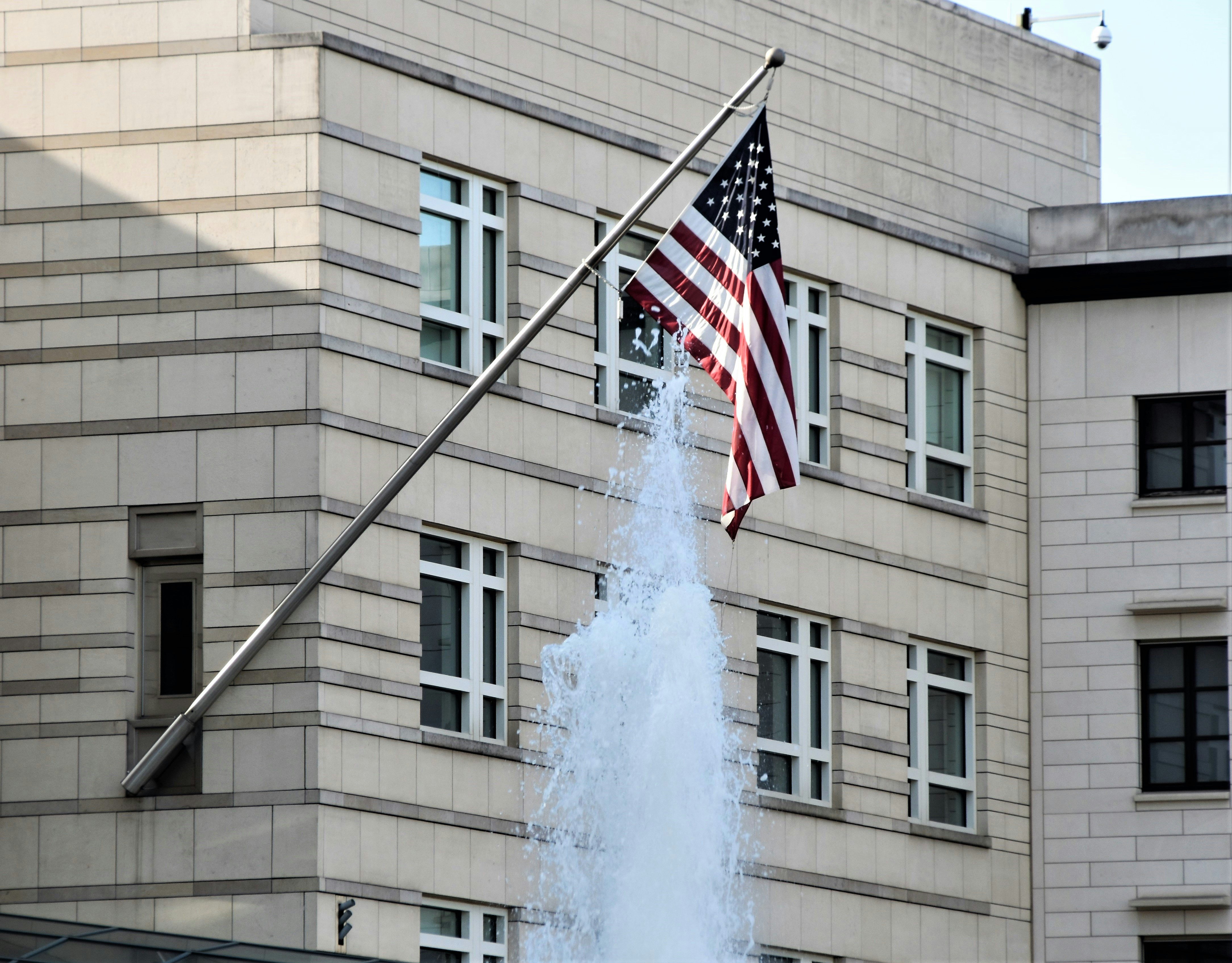
U.S. Embassies and Consulates
Utilized by diplomats, government representatives and civilians alike, U.S. embassies and consulates are headquarters in foreign countries dedicated to keeping citizens safe and connected while away from home. Typically located in a destination’s capital city, travelers can contact a U.S. embassy or consulate if they encounter an emergency abroad including instances like losing their passport, falling victim to a crime, needing medical help, being arrested and more. A U.S. embassy or consulate can help citizens return to the U.S. during a crisis or after a natural disaster and can even help travelers get in touch with loved ones if they need financial assistance.
Click here to learn more about U.S. embassies and consulates
Finding Reliable News and Updates
Exaggerated claims, inflammatory videos and convincing AI slop, these three components have a dangerous habit of coming together to paint an untrue picture of the on-the-ground reality of destinations impacted by disruptive current events. It’s easy to get tricked by deceitful narratives, which is why its essential travelers turn to trusted sources like tourism boards, travel brands and, of course, their travel advisor, for the latest news and information impacting a destination. In fact, brands often reach out to travel advisors first to share helpful resources in times of turbulence, making advisors an especially valuable asset for vacationers in these situations.
When Travel Insurance Applies
Never a bad thing to have in your back pocket, travel insurance can save vacationers a lot of time, money and frustration when current events or personal emergencies threaten to impact their trip. While a travel advisor can help travelers decide which specific plan is right for them, travel insurance can be purchased to protect vacationers in instances where health, medical evacuations, cancellations, delays and more become a factor.
Your Advisor Is Here To Help
Sometimes, despite our best efforts, the unexpected happens while away from home. Luckily, your travel advisor is here to help. If something goes wrong during a trip abroad, vacationers shouldn’t be afraid to get in touch with their advisor via email, phone or text — even during off-hours or if there’s a time difference. In addition to having access to resources shared directly by brands and sometimes destinations themselves, advisors are in the loop with current events and know what to do if their clients encounter problems while visiting another country. To make sure you’re prepared before your trip, ask your advisor how they’d like you to contact them in case of an emergency.
About the Author





comments