

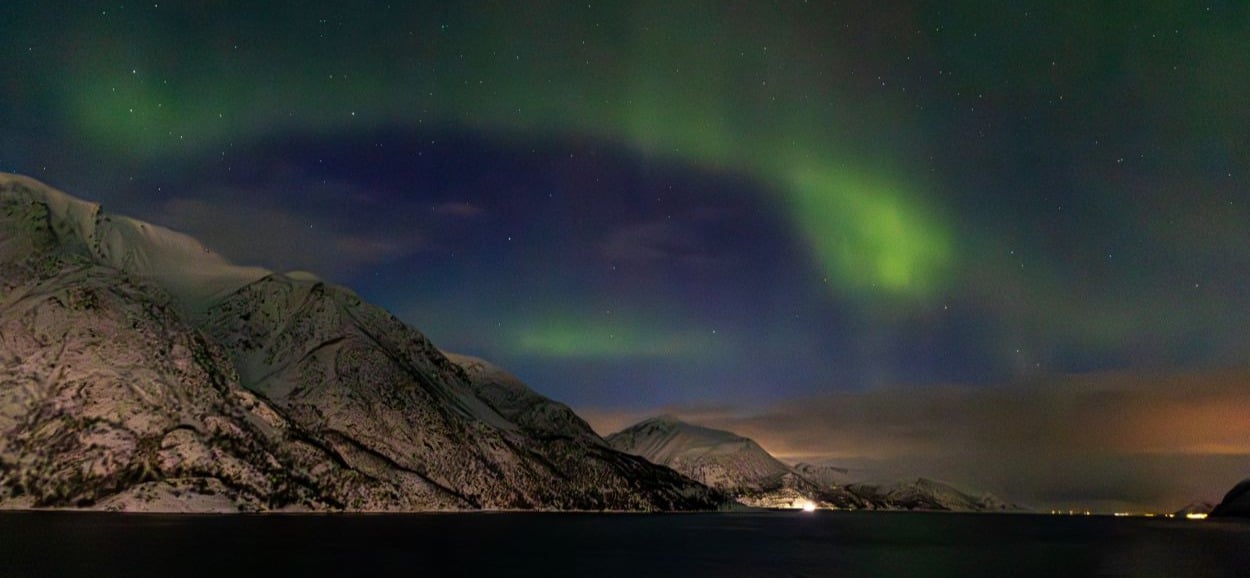
For many travelers, seeing the Northern Lights is a bucket-list goal — but selling aurora travel can be challenging for advisors. The phenomenon is unpredictable, weather-dependent and often paired with very high client expectations.
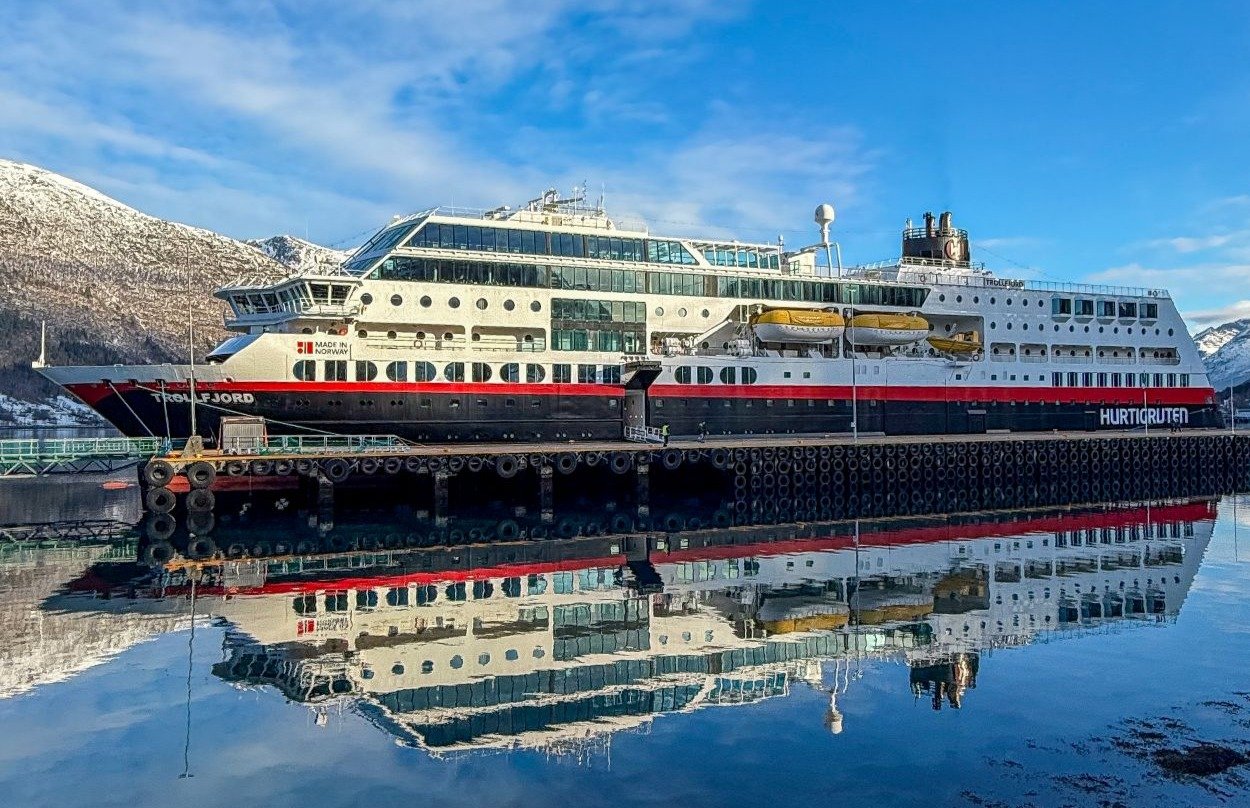
Hurtigruten’s new astronomy-led sailings aim to address that uncertainty by combining scientific programming, flexible routing and deep regional expertise along the Norwegian coast. The voyages are part of the company’s premium Signature North Cape Line aboard the refurbished MS Trollfjord, with departures beginning in early 2026.
For advisors planning Arctic itineraries, these sailings provide a useful example of how cruise-based Northern Lights experiences differ from traditional land-based trips — and how to guide clients through one of travel’s most unpredictable natural events.
Why Cruise-Based Aurora Trips Can Work
Many Northern Lights trips focus on fixed destinations such as Tromsø or Alta. While those locations sit within the auroral oval, travelers ultimately depend on local weather conditions.
Cruising introduces mobility.
Hurtigruten’s route moves through multiple aurora-viewing regions across Arctic Norway — including Troms, Finnmark and Nordland — giving guests several nights and locations to watch for activity. Instead of waiting in one place, travelers follow a coastline known for frequent aurora displays.
Alta, often called the “City of the Northern Lights,” has long been associated with aurora research. The world’s first permanent Northern Lights observatory was built nearby in the late 19th century due to the area’s clear skies and position beneath the auroral oval.
For advisors, that geographic flexibility can be a strong selling point when explaining how cruise itineraries can improve viewing opportunities.
Astronomy Programming Adds Context
Another key feature of these voyages is the onboard science programming.
The sailings are hosted by Tom Kerss, the world’s first Chief Aurora Chaser, who leads nightly briefings, lectures on solar activity and real-time aurora forecasts during the voyage.
Rather than treating the Northern Lights as simply a visual spectacle, the program helps guests understand the science behind the phenomenon — from solar storms to geomagnetic activity.
For travelers, that added context can transform the experience from simply waiting for the sky to change into a deeper encounter with the science of the northern sky.
Managing Expectations: The Northern Lights Promise
Aurora travel always carries uncertainty.
To address this, Hurtigruten introduced its Northern Lights Promise more than a decade ago. If guests do not see the aurora during their voyage, they receive a complimentary future cruise.
For advisors, the promise provides a practical reassurance when discussing the unpredictability of aurora travel.
Still, it is important to set realistic expectations. Sightings depend on solar activity, cloud cover and darkness levels — all factors outside anyone’s control.
Cultural Experiences Beyond the Sky
While the Northern Lights are the headline attraction, the itinerary also emphasizes Norwegian culture and cuisine.
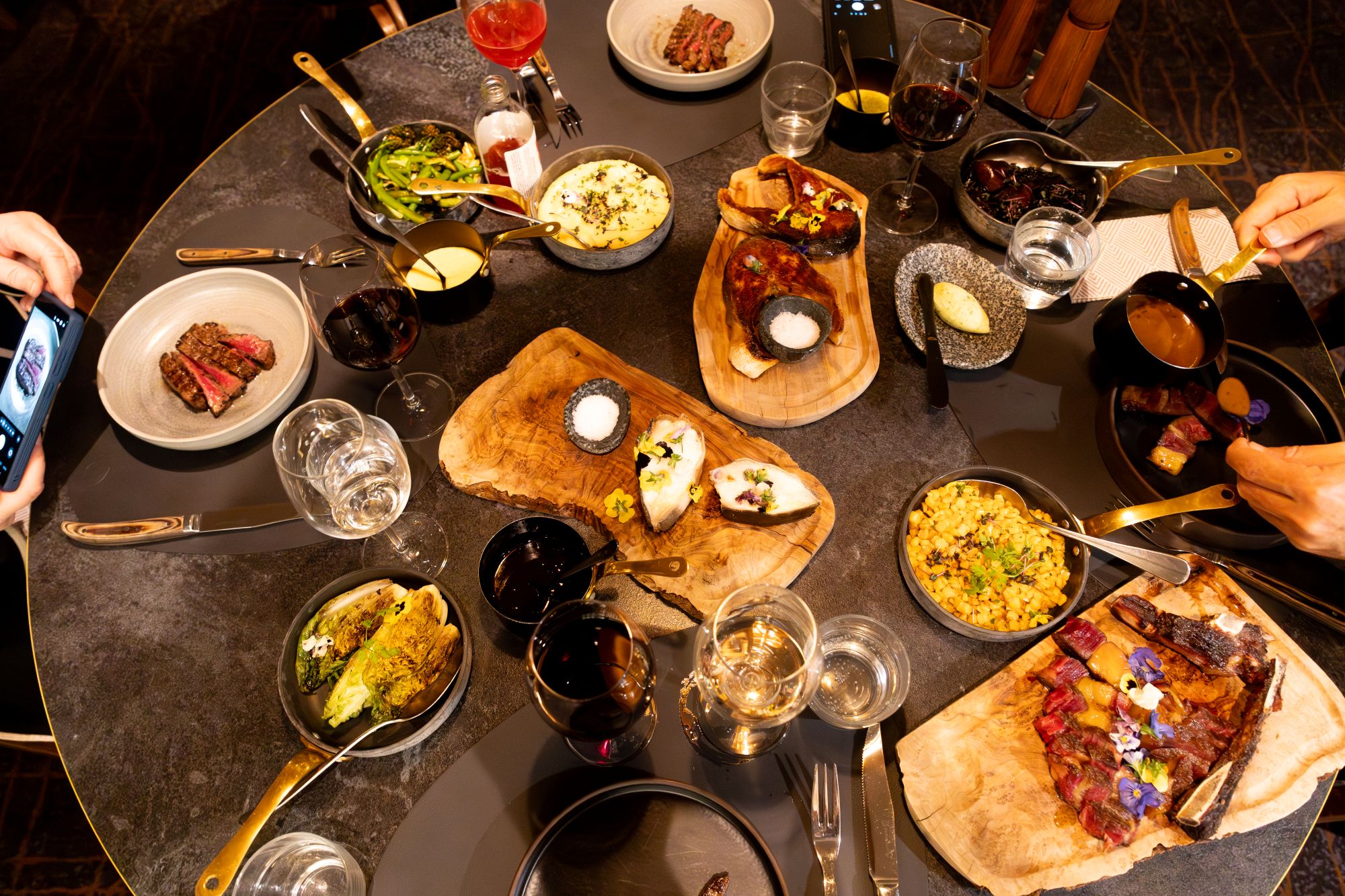
Hurtigruten’s Norway’s Coastal Kitchen program sources the majority of ingredients from farms, fisheries and producers along the coast, connecting meals onboard directly to the landscapes guests travel through.
The voyages also highlight Sámi culture, the Indigenous heritage of northern Scandinavia. Sámi Culinary Ambassador Máret Rávdná Buljo works with Hurtigruten to share traditional food practices and stories rooted in reindeer herding and Arctic life.
For advisors, these elements help position the itinerary as more than an aurora chase — it becomes a broader cultural exploration of Arctic Norway.
Destinations Along the Route
Stops along the North Cape Line introduce travelers to a range of Arctic environments and traditions.
Tromsø
Often called the gateway to the Arctic, Tromsø has long served as a center for polar exploration and Northern Lights tourism.
Alta
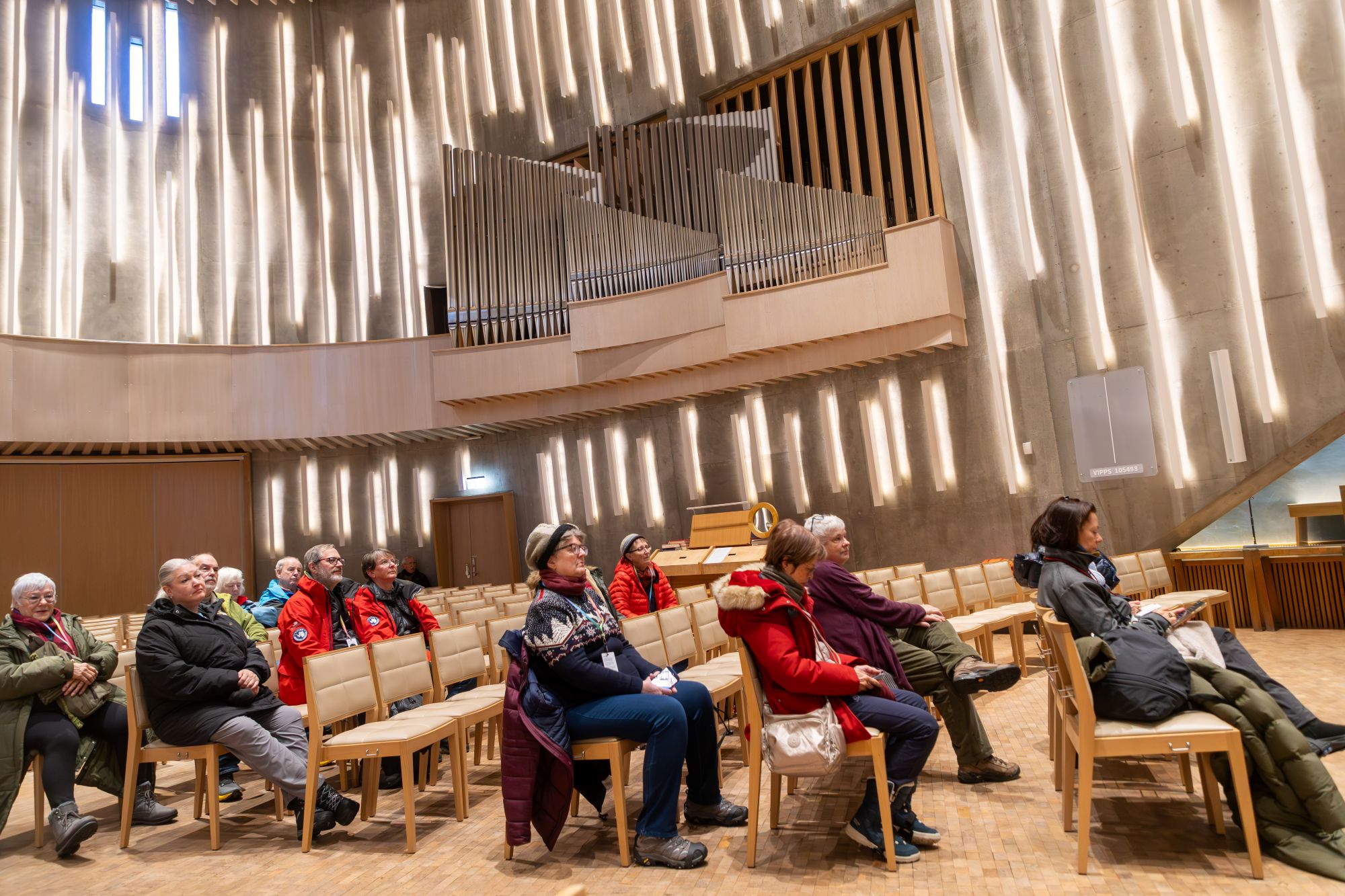
In addition to aurora viewing, Alta is home to UNESCO-listed rock carvings dating back roughly 7,000 years and a striking Northern Lights Cathedral dedicated to the phenomenon.
North Cape
One of Europe’s northernmost points, the dramatic cliff overlooking the Barents Sea offers sweeping views and a powerful sense of the scale and remoteness of the region.
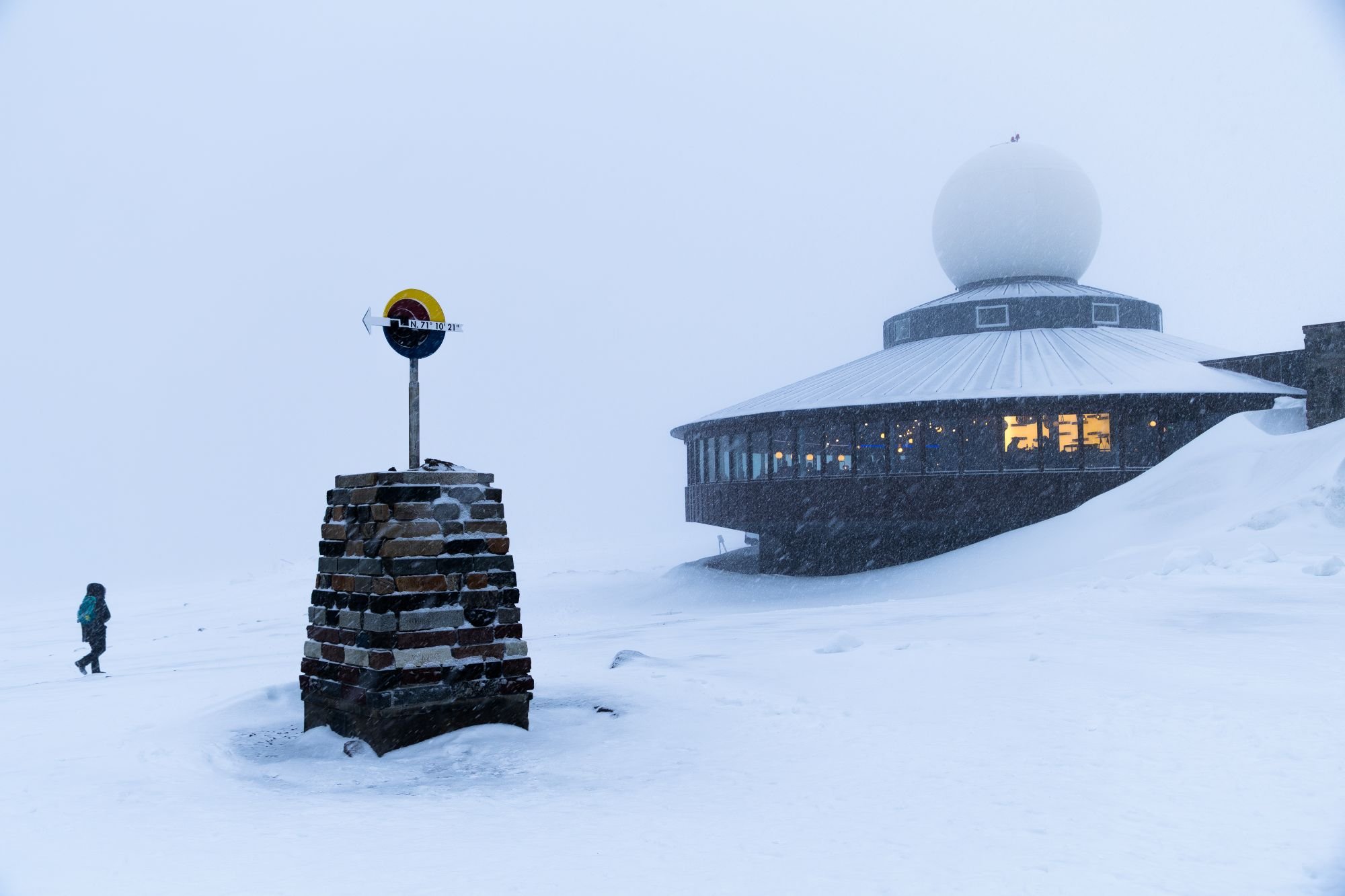
Optional excursions — from dog sledding to Sámi cultural visits and king crab fishing — give travelers a chance to experience daily life in Arctic Norway.
Which Clients This Product Fits Best
Aurora-focused cruises tend to appeal to a specific type of traveler.
Advisors may find strong interest from:
- first-time Arctic visitors seeking a structured experience
- science-minded travelers interested in astronomy
- photographers hoping for multiple aurora-viewing opportunities
- travelers drawn to small-ship expedition-style cruising
At the same time, advisors should prepare clients for winter conditions, including cold temperatures, long nights and occasionally rough seas.
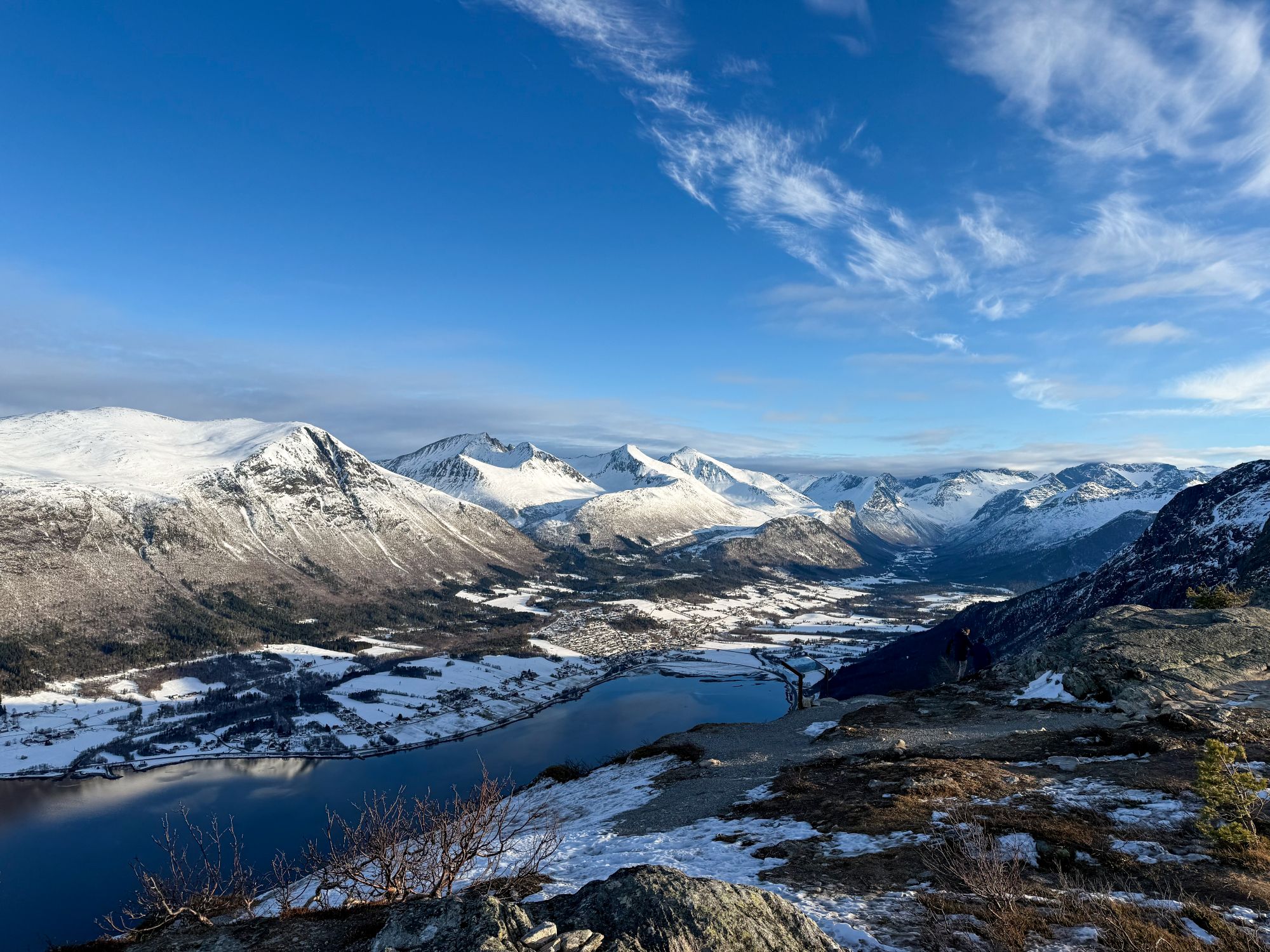
Those same conditions, however, are exactly what make Arctic Norway one of the world’s most reliable regions for aurora viewing.
The Advisor Takeaway
Northern Lights travel will always involve uncertainty, but the right product can help advisors frame that uncertainty as part of the adventure.
Cruise-based aurora itineraries combine mobility, science-driven interpretation and cultural depth — creating a travel experience that extends far beyond simply watching the sky.
For clients drawn to both nature and discovery, Hurtigruten’s new astronomy voyages offer a compelling way to experience one of the planet’s most extraordinary natural phenomena.
Sophia Michelen


comments