


Interest in becoming a travel advisor is on the rise. For both 2025 and 2026, the role of the travel advisor landed on LinkedIn’s top 25 Jobs on the Rise list.
This isn’t a huge surprise. Despite the endless comments from friends and family members asking if “travel agents are still a thing,” we know full well the industry only continues to get bigger and stronger.
“I’m incredibly passionate about this industry because travel changes lives, and a great advisor changes the entire experience,” said Tammy Levent, owner of Elite Travel Management Group, Inc. and an award-winning educator. “What excites me most right now is the future because the demand for guidance, clarity and confidence in travel decisions isn’t going away.”
Working as a travel advisor is appealing. It can be a fully remote position; it offers exotic travel opportunities; it allows you to discover and become familiar with areas all over the world. It truly is a dream career.
Many advisors wouldn’t trade their jobs for the world, but they know it’s not all fancy trips and working by the pool. The behind-the-scenes work can be intense, and it’s important to know this going into it. We’ve seen it happen time and time again — someone claims they’re a travel advisor too soon; a client has a horrible experience, and the whole industry gets a bad name.
But maybe that person just needed some guidance and didn’t know where to turn. Afterall, there isn’t an exact roadmap for becoming a travel advisor like some other professions offer. There are lots of different routes to take — joining a host agency, working at a brick and mortar, becoming an independent contractor — and the American Society of Travel Advisors (ASTA) supports them all.
“We don't care how you join the industry, but we want you to be ethical,” said Michael Schottey, vice president of membership, marketing and communications at ASTA. “We want you to be professional, and we want you to have the education and have the tools to succeed.”
Education Is Key
While it’s always important to welcome newcomers to ensure everyone feels included and supported, in this case, it can also help change the industry for the better. As people who have been in the industry for 20, 30, 40 years begin to eye up retirement, we need knowledgeable advisors to take their places, and we need to make sure they are capable of doing so. According to Schottey, it’s important for the association to engage with these new advisors, whether they are 25 or 85.
“First and foremost, we're engaging them with education, ethics and professionalism, things that we feel are very important to the travel advisor community,” Schottey said. “I think regardless of age, it's important to meet advisors early on in their career as our trade association, but I think it's especially important to engage younger advisors because there is such a need for youth in this industry.”
ASTA offers a robust collection of educational opportunities, including its Verified Travel Advisor (VTA) Certification Program. On top of working with new and established advisors, ASTA is also taking steps to offer education at the college level. Last year, the organization announced a partnership with Florida International University’s Chaplin School of Hospitality & Tourism Management. The collaboration is meant to inspire students and introduce them to the travel advisor profession. With this partnership, students have access to ASTA’s Roadmap to Becoming a Travel Advisor and GeoCultural Guide for Travel Advisors programs.
In addition to the coursework, students get access to a complimentary one-year ASTA membership at the Future Travel Professional level, which includes webinars hosted by suppliers, ASTA events, mentorship opportunities and more.
“It’s our job, as the American Society of Travel Advisors, to make sure that these college kids know that there's a career for them in selling travel,” Schottey said. “And I don't think that's something a lot of kids in college know, unless they've got a parent in it or they've got family friends in it. Unless they've traveled a lot themselves, they don't know that selling travel can be a very, very lucrative career.”
More Than a Transaction
It might seem like booking vacations online is easier than ever, and in a sense, it is. Any traveler can browse options and book a trip, but most people soon come to realize the amount of content is overwhelming. They usually find themselves with decision fatigue and confusion and end up turning to an expert for assistance.
“Travelers want someone who understands the world beyond a search result: someone who can match the right destination to the right traveler, ask the questions that matter and help them feel taken care of from the first conversation to the moment they return home. That level of care comes from experience, curiosity and a true love for learning, and that’s why this work still matters so deeply,” Levent said.
“That’s also why welcoming new advisors is so important. Some will build incredible second careers after retirement, and others will be the next generation shaping the industry full-time, but either way, they are the future of travel. When we support them with real training, education and mentorship, we raise the standard for everyone.”
Throughout her career in travel, Levent has dedicated a lot of her time to elevating other travel advisors through a variety of training and mentorship programs. When advisors are equipped with the right tools, the entire industry wins.
“The truth is, the right advisor is the best option versus booking online, but only when that advisor is trained, confident and operating with a real strategy behind the sale,” Levent said. “And that’s what clients are looking for: someone who knows what they’re doing and genuinely cares.”
How To Help
Here are some ways you can help welcome new travel advisors.
- Engage with new advisors at conferences.
- Join or start a mentorship program at your host agency.
- Create a training program on something you’re a specialist at.
- Speak at one of the many virtual events put on by other advisors.
- Host a webinar on a topic you’re an expert at.
- Compile a list of your favorite training programs to share with newbies.
- Show kindness and patience (remember, everyone has to start somewhere!)
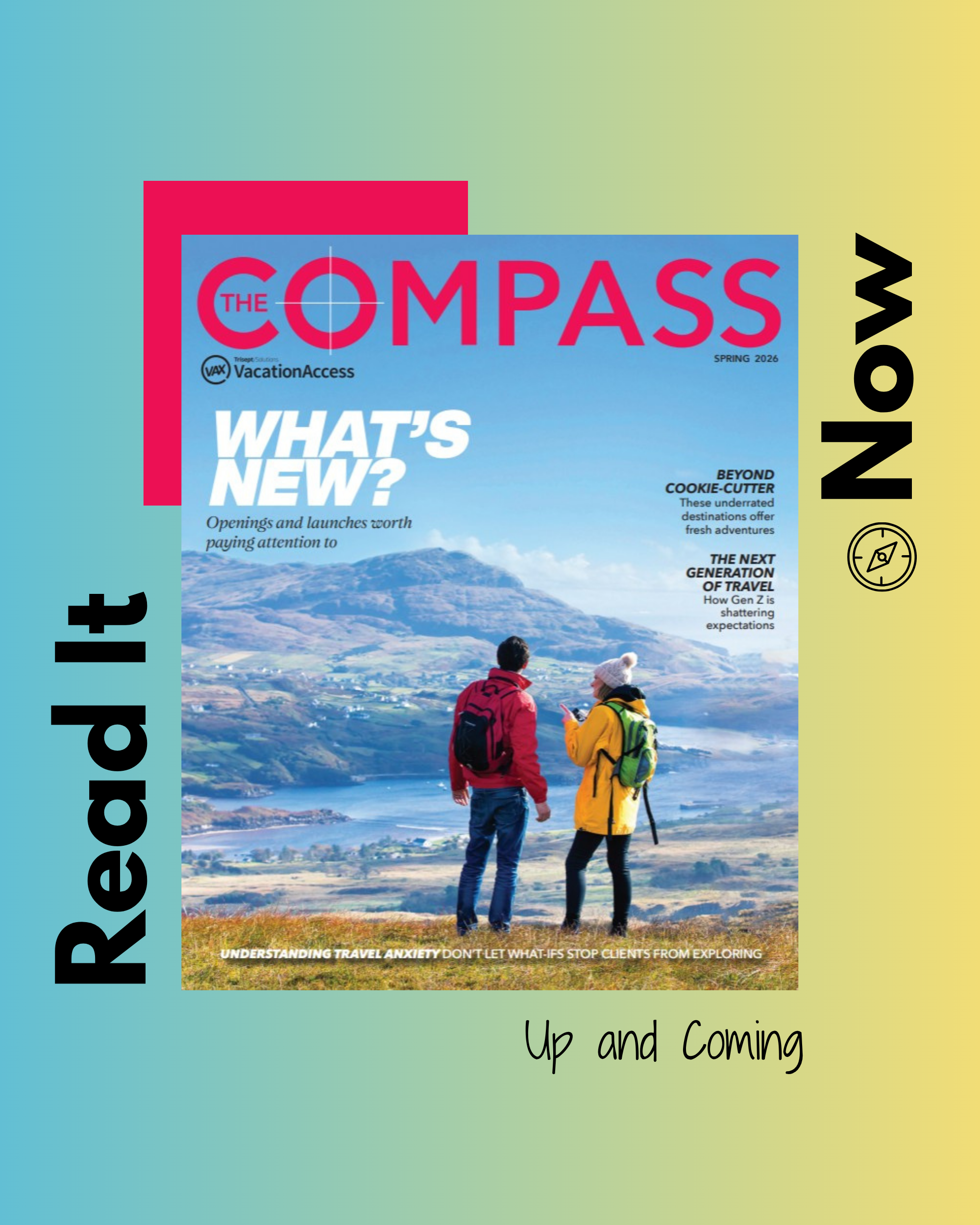
Originally appeared in the Spring 2026 issue of The Compass magazine
About the Author




Tammy B. | 06/23/26 - 02:25 PM
Tammy B.
| reply ⋯