

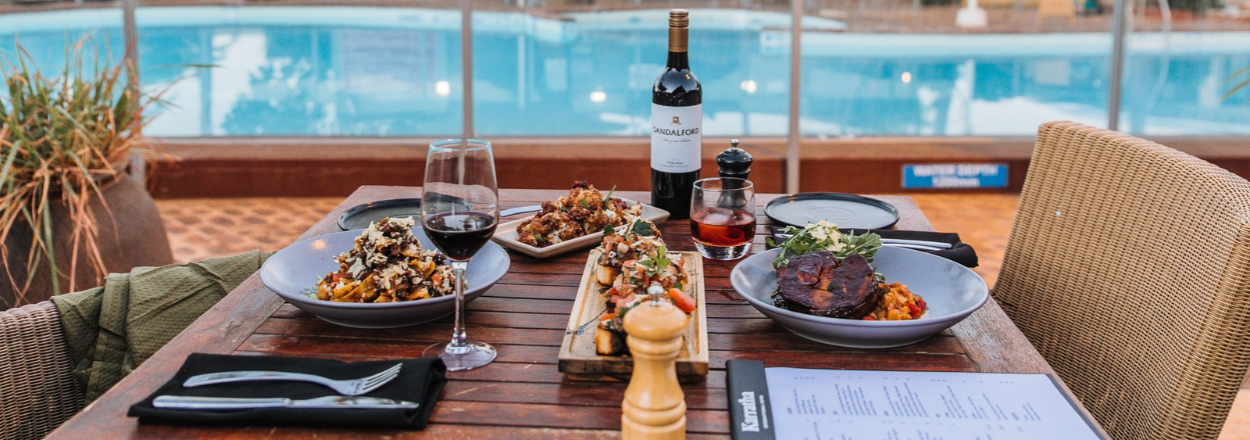
For many travelers, the sight of an all-you-can-eat buffet loaded with buttery croissants, artisanal breads and hearty pastas is a dream. But for those traveling with sensitivities to gluten, the buffet table can be a nightmare.
Travel advisors, however, can help mitigate the risk and make sure a trip is as delicious as it is safe. Planning itineraries for clients with food allergies requires extra diligence and planning, but it’s far from impossible. Here, two advisors share their experience and advice to help those planning trips for people with celiac disease, gluten intolerance or gluten-free lifestyle preferences. They walk through booking and troubleshooting, with tips on how to protect yourself and mitigate risk for your business.
Learning and Listening
The task of planning a trip for a gluten-free traveler should begin before you’ve even booked a client, according to Kasie Provencal, owner of Pro Tour & Cruises, who recently developed celiac disease and has since made it her mission to teach fellow travel advisors how to work with clients in the same situation.
“There are so many people with food allergies who have told me that they’re not willing to travel,” Provencal said. “We probably have such a huge untapped market.”
First, Provencal recommended travel advisors update their intake form to ask clients if they have any dietary concerns, allergies or medical conditions. If the client answers yes, be sure to ask plenty of follow-up questions to understand the full range of what they can and cannot do. Her list includes the following questions:
- Is the allergy mild or severe?
- Is cross contamination a risk?
- What do you usually eat?
- What is your comfort level with eating out?
- Do you have any additional allergies or dietary restrictions?
The answers to those questions will guide what kind of resort or destination to recommend. Though this level of diligence takes time, it’s worth it for Provencal. She’s passionate about helping people with food allergies like her be able to travel — whether they’re working with her or another advisor.
Booking and Troubleshooting
When it’s time for booking, Provencal recommended a few go-to resorts where she’s had positive experiences in the past. At some resorts, the advisor can call in advance to request that the traveler meet with a registered dietician or the chef upon arrival.
No matter where a traveler chooses to go, Provencal suggested booking guests with food allergies into a higher tier of travel: think prestige, preferred or suite level. At resorts or on cruises, these options may offer more a la carte access rather than just standard buffets, which can be risky for cross-contamination. Plus, this level may include a butler who can serve as an advocate. Though these packages cost more money, Provencal said the specialized service pays off for a smoother experience.
“Food is such an important part of travel because that’s where you break bread and you share and celebrate,” she said. “Life and conversation are around food. When you have such a fear of food, you feel so excluded. I want people to go on vacation and have a great time.”
Provencal also recommended that travelers with food allergies pack some safe foods, just in case the options aren’t as expected. It’s helpful to have a backup option on the plane or even a late-night snack in the room.
To prepare for a worst-case scenario, travel insurance is key, explained Thomas R. Carpenter, travel advisor at Huckleberry Travel and attorney at Carpenter Law Group PC, who represents about 2,500 small travel agencies and tour operators. He especially suggested options with emergency medical evacuation if needed.
Recommended Destinations for Gluten-Free Travelers
Given her first-hand experience, Provencal applies close scrutiny to allergen safety when she travels. She uses that knowledge to guide her clients and to offer constructive criticism to resorts, so they can improve.
Based on her experience, Provencal has been impressed with the food safety practices at the following places:
- Virgin Voyages, which offers made-to-order eateries on its cruise ships. These crew-served options reduce “the risk of cross-contamination compared to a traditional self-service buffet,” Provencal explained.
- JOIA by Iberostar, where the resort promises guests can “taste the best gastronomy and the best recipes adapted to the diet of people with celiac disease.”
- Disney properties, including Disney World, which provides choice and variety for guests with special diet requests, and Disney Cruises, which lets guests request a special dietary meal.
- Sandals and Beaches resorts, which can accommodate dietary restrictions when given advance notice.
“It’s easy for gluten-free travelers to feel excluded,” Provencal said. “When a property has been able to accommodate allergies, I’ve actually had tears in my eyes because I feel like everybody else. I feel included, and I feel seen.”
Protecting Yourself, Not Just Your Clients
For those with allergies, the stakes are high at every meal — just as the stakes are high if you’re marketing yourself as an expert in allergy-friendly travel, Carpenter said.
“If you’re marketing yourself as a specialist in gluten-free vacations, somebody’s going to come to you and expect that you have specialized knowledge and you have some sort of heightened control over what’s going to happen on the trip,” he said.
In actuality, he said, if you’re not in the kitchen on the cruise ship, it’s impossible to guarantee that everything is perfectly safe, no matter how diligent you are. And that means you need to protect yourself.
“You can’t guarantee that a supplier is not going to mess up and somebody’s going to get sick,” he said.
If you’re marketing yourself as a specialist in allergy-friendly travel, Carpenter recommended a provision in your terms and conditions document that disclaims specialized knowledge. Make sure the client agrees that you are the booking agent and not the supplier — and you can’t control what the supplier does or fails to do that causes damage, injury or loss, he added.
On the other hand, if you’re not an expert on this topic, don’t include anything in your terms and conditions that leads people to believe you are.
Though nobody wants to turn away business, Carpenter said if you’re not comfortable booking those with food allergies, then don’t. Instead, don’t be afraid to pass them along to an advisor with more experience.
Ultimately, as much as you can do your due diligence and try to help, there are no guarantees.
“We can’t prevent them from getting sick,” Provencal said, “but if we work with the supplier and we work with the hotels, we give them the tools.”
Originally appeared in the Fall 2026 issue of The Compass magazine
About the Author




Jennifer Lovell | 11/18/26 - 11:05 AM
Most resorts keep gluten-free breads and pastas around. Encourage clients to let the resort/cruise ship know your issue. I'm gluten sensitive and have had great experiences with Celebrity, NCL, Paradisus resorts (Melia), Riu Resorts, and Hyatt All-Inclusive brands. This year I'm checking out 2 new suppliers for food: Virgin Voyages and Royalton brand resorts.
| reply ⋯