


In a fresh wave of travelers seeking eco-friendly and sustainable experiences, advisors might have noticed that "voluntourism" is their clients’ new favorite buzzword. It aligns closely with the recent shift in demand towards authentic and immersive itineraries, offering globetrotters a more meaningful opportunity to do good while connecting with the world around them. To help get the wheels turning about the types of organizations that specialize in voluntourism and the variety of experiences available, here are four that travelers can book this year.
Great Barrier Reef Conservation in Australia
From quokkas and the Opera House to Bells Beach and the Outback, Australia has a reputation for housing some of the world’s most distinct features, including the largest coral reef system. The Great Barrier Reef, off the country’s eastern coast, consists of over 400 different types of coral, though nearly half of it has been lost to climate change-related events and mass bleaching.
With International Volunteer HQ, travelers can help scientists and conservationists combat the deterioration of the reef on the organization’s Great Barrier Reef conservation program. The itinerary stations volunteers in Cairns, where participants are then ferried to Green Island and Fitzroy Island each day. Travelers are trained to observe and collect data on the species living around the reef while also cleaning up and mapping debris in the area. Volunteers work for up to six hours every day, with the option of staying for a two- or three-week duration. And, by booking with International Volunteer HQ, program fees cover accommodations, daily ferry transfers and the majority of participants’ meals.
But, of course, it’s not all work and no play. Volunteers have their weekends off, leaving them ample time to explore the fascinating city of Cairns and nearby areas like the Daintree Rainforest — it’s the perfect mix of impactful conservation work and rugged exploration.
Wildlife Conservation in Zimbabwe
More travelers are expressing interest in off-the-beaten-path adventures, specifically those related to African safaris. The Wildlife & Conservation program in Victoria Falls, another one of International Volunteer HQ’s itineraries, is perfect for these adventurous spirits.
Volunteers will be responsible for assisting with the maintenance of a game reserve for up to five hours per day, with the option of participating from two to 12 weeks. Participants, alongside partner organizations like Birdlife Zimbabwe, Endangered Wildlife Trust and Zimbabwe National Parks Authority, will learn how to remove alien vegetation, soil erosion control methods, waterhole creation, freshwater ecosystem analysis and animal and bird tracking.

As enticing as it would be to have direct experiences with elephants, lions or giraffes, these types of hands-on opportunities are not part of the day-to-day tasks out of respect for the animals. Though, volunteers are sure to get their share of up-close viewing on their regular game drives, offering a more intimate glimpse of wildlife in their natural habitat.
Similar in structure to International Volunteer HQ’s other programs, travelers are accommodated with private rooms at the conservation center and are provided with three on-site meals prepared by a local cook.
Coastal Conservation Expedition in Thailand
Many might assume that voluntourism opportunities in Thailand revolve around the country’s fascinating wildlife, but with Global Vision International’s (GVI) Coastal Conservation expedition, travelers instead are restoring fragile ecosystems. Participants are based in the Trang Province, working alongside environmentalists to learn more about how seagrass beds are being impacted by threats like destructive fishing, climate-induced heat change and agricultural runoff. The beds are the largest on the Andaman coast and are vital feeding grounds for manatees, which are considered endangered.
Over the course of volunteers’ 35-hour workweek, they’ll survey coral reef systems, restore mangroves, monitor seagrass beds, learn to identify species and contribute to habitat mapping that tracks climate-related changes over time. These delicate ecosystems have a long road ahead for recovery, but supporting these types of research-driven missions are the first step in sparking meaningful conversations for long-lasting change.
Participants in GVI’s programming will find that their fees cover food, shared accommodations, equipment and additional experiences. Visiting a Buddhist temple, swimming in a hot spring, learning to cook traditional Thai food and hiking to nearby waterfalls only begin to scratch the surface of the types of adventures volunteers can enjoy during their time on the expedition.
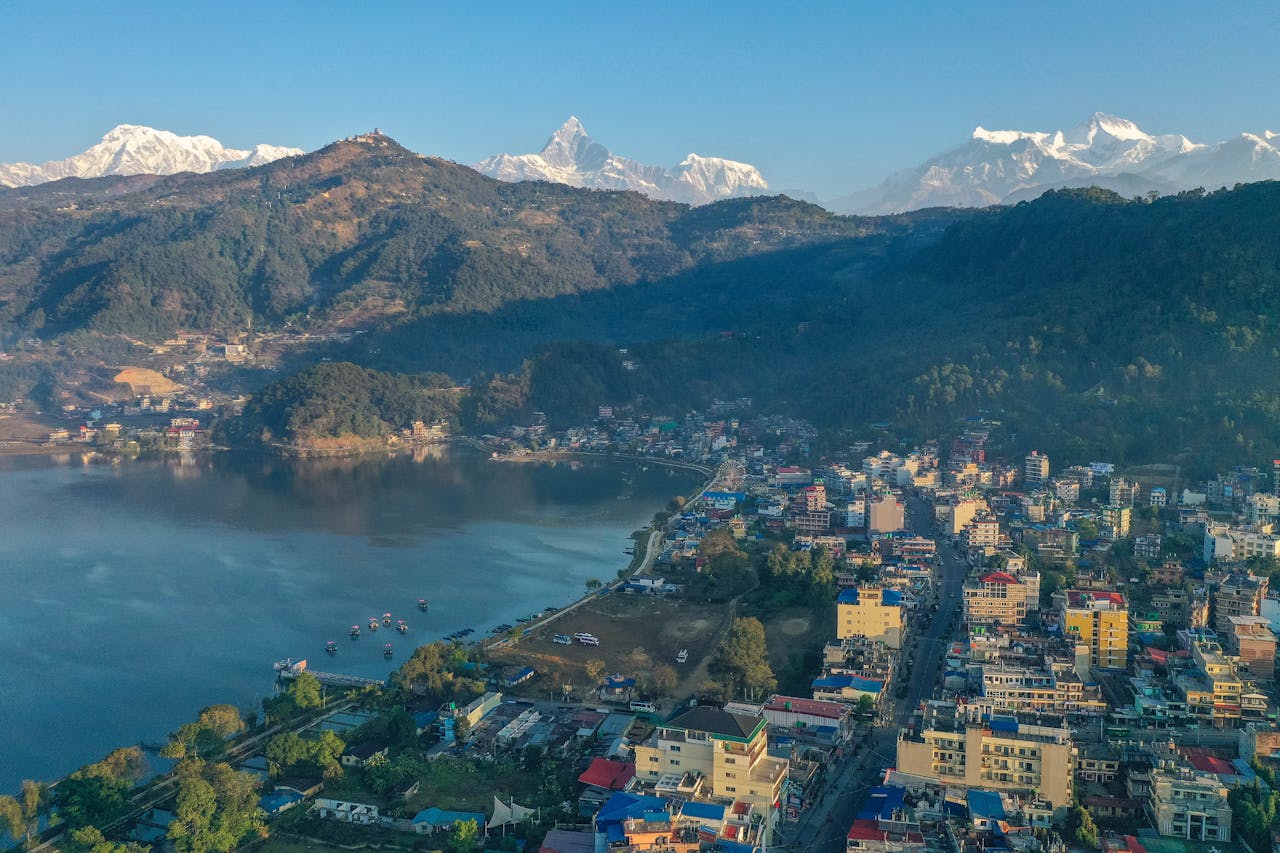
Women’s Empowerment in Nepal
Not all voluntourism experiences have to center around restoring ecosystems or coastlines, and GVI is tapping into the caring hearts of humanitarians with its Women's Empowerment project. This itinerary is rooted in serving the United Nations’ Sustainable Development Goals, a blueprint designed to address global challenges around health, education, economic growth and environmental protection. Specifically, GVI’s program tackles goal number five: increasing gender equality and empowering all women and girls.
Volunteers contribute to this mission in the metropolitan city of Pokhara, conducting literacy and numeracy classes, hosting vocational skill workshops and facilitating discussion in local communities on women’s health. Participants will also work to generate awareness around human rights violations during their time in the program.
Consistent with GVI’s other voluntourism experiences, travelers’ food and accommodations are included. Downtime activities, like boating on Phewa Lake, watching the sunrise at the Sarangot viewpoint and visiting the World Peace Pagoda, are also available to volunteers at no extra cost.
About the Author



comments