

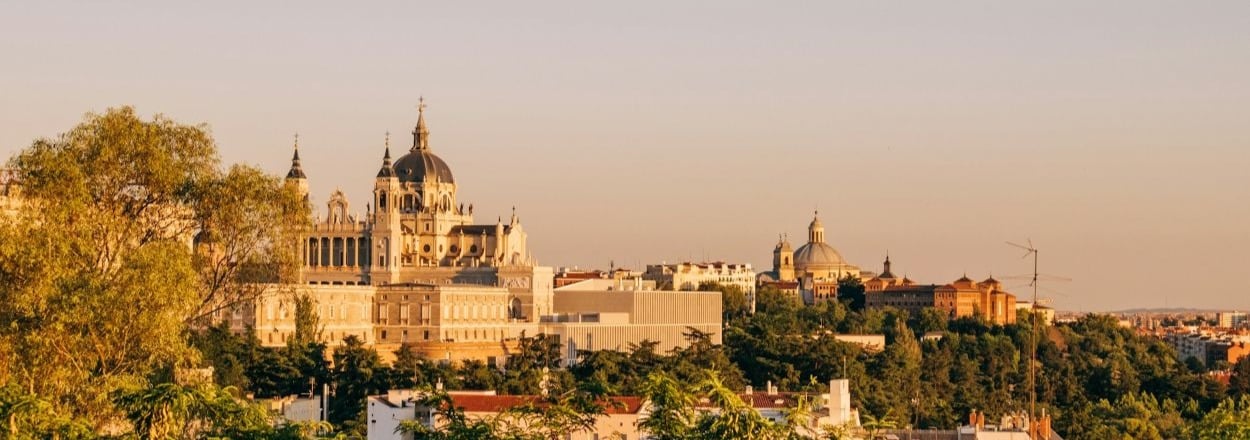
Each year, millions of American travelers flock to European destinations. Whether it’s for a Christmas market river cruise along the Rhine or a multi-leg summer journey through the most popular cities on the continent, the beauty of European itineraries is their ability to meet the changing needs of travelers.
Knowing the versatility that awaits, it comes as no surprise that European destinations hold four of the top five spots in Euromonitor International’s Top 100 Cities report. The independent provider of market research and consumer insights compiled the list at the end of 2025, placing Paris first, followed by Madrid, Tokyo, Rome and Milan. Want to know what the destinations have in common? Come along and discover travelers’ main motivators for visiting these cities and what their preferences suggest about the state of the industry.
Deep Dive Into the Top 5
According to Euromonitor International’s report, a few key reasons for travelers visiting these five specific cities rose to the forefront, including a strong tourism infrastructure, a vibrant culture, hosting major sporting events and implementing sustainability practices.
Tourism Infrastructure
Many vacationers may not realize it, but they often evaluate the success of a trip by how convenient the itinerary feels. Consider the very first step: flying from the U.S. to Europe. Most clients gravitate toward direct routes or flights with minimal layovers, ideally arriving directly in the city they plan to visit. The ease with which travelers can reach a destination may even influence which cities they ultimately choose to visit. That level of convenience, however, depends on whether the arrival point is equipped to support a steady flow of visitors.
Those same expectations apply once travelers land. Efficient public transportation, a strong hotel inventory and intuitive city navigation all contribute to the success of the trip. Destinations like Paris, Madrid, Tokyo, Rome and Milan have long been equipped to accommodate millions of annual visitors and as established tourism hubs, offer the kinds of seamless travel experiences that give visitors confidence when choosing where to go. This is also part of the reason why Asian destinations are seeing a significant uptick in annual visitors — more on that later — where destinations are continually enhancing their tourism infrastructure to appeal to leisure travelers.
For advisors, recognizing how strongly convenience influences decision-making can be a valuable tool. Clients may not explicitly say they want an “easy” trip, but their preferences for nonstop flights, efficient transit and well-connected cities often reveal it. By staying aware of how destinations are improving accessibility and visitor services, advisors can better anticipate which places are positioned to attract vacationers next, allowing them to recommend emerging destinations before they reach mainstream audiences.
Culture
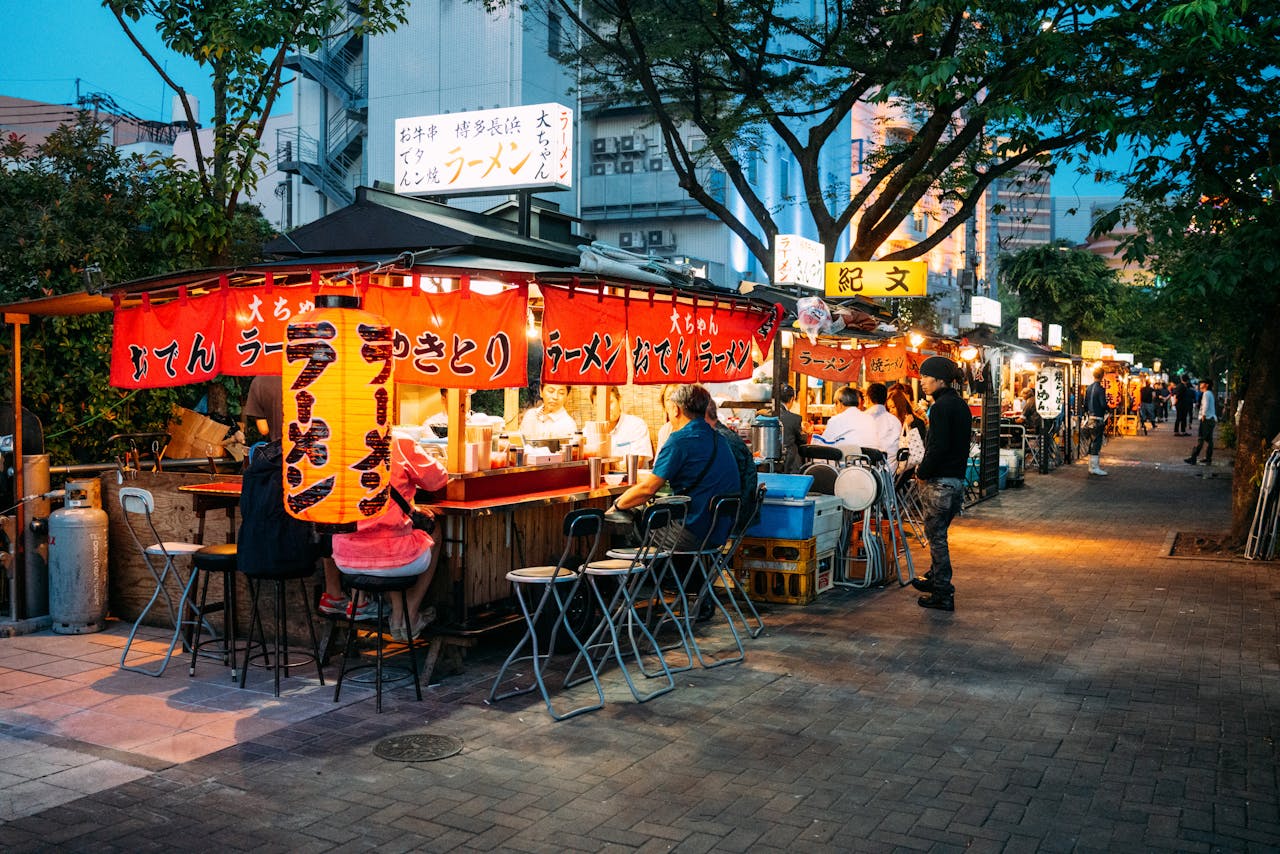
Another frequently cited element of the top five cities was culture. Industry professionals have long been aware of the shift towards authentic experiences, where travelers want to fully immerse themselves in the culture.
According to a survey from Travel Agent Central, 51% of leisure vacationers said experiencing a destination like a local was a high priority. Respondents ranked food as the top approach, with sightseeing, learning about the destination’s history, checking out the art scene and interacting with locals rounding out the list.
From off-the-beaten-path journeys to all-you-can-eat food tours, it’s clear travelers have a continued interest in authentic experiences that showcase all sides of a country’s culture. What’s more important is the trend shows no signs of stopping, underscoring its relevance now and suggesting a continued behavior in the future.
Major Sporting Events
March Madness, Formula 1 racing, the Super Bowl, and the Olympic Games — live event travel is becoming increasingly popular among travelers, and it’s only predicted to surge. In fact, UN Tourism estimated that 10% of the global tourist economy is now based on sport, putting its annual growth at 16% through 2030.
Euromonitor International’s top five cities are a prime example of sporting events driving tourism. From the Mutua Madrid open tennis tournament to the F1 Japanese Grand Prix in Tokyo, these destinations host some of the world’s most prestigious tournaments and events. Travelers especially had their eye on Milan at the beginning of this year, visiting the northern city during the Winter Olympics.
What sets these destinations apart from other cities with major sporting events is the other previously mentioned factors of tourism infrastructure and culture. When these three components work in tandem, the trip isn’t a hard sell to travelers. And, for advisors who may be new to leveraging live event travel in their business model, industry brands like On Location are bridging that gap with premium access and curated itineraries. This way, industry pros can still earn a commission while getting a head start in a lucrative market. It’s a win-win opportunity for everyone, and it’s certainly not too late to get started with events like the Men’s FIFA World Cup, LA28 Summer Olympics, UEFA’s Euro 2028 and the Women’s FIFA World Cup all right around the corner.
Sustainability
Younger generations of vacationers now account for a large share of travel bookings, and with their desire for flexible itineraries comes a push for sustainable trips. A 2023 Booking.com report found that over 75% of travelers expressed an interest in vacationing sustainably, though barriers like a higher price tag on the trip or limited knowledge about these initiatives interfered with their ability to do so. Instead, these environmentally conscientious travelers sought to minimize their impact on an individual level, bringing their own water bottles on the trip, reusing linens and towels at their hotels and turning off the AC when leaving their accommodations for the day.
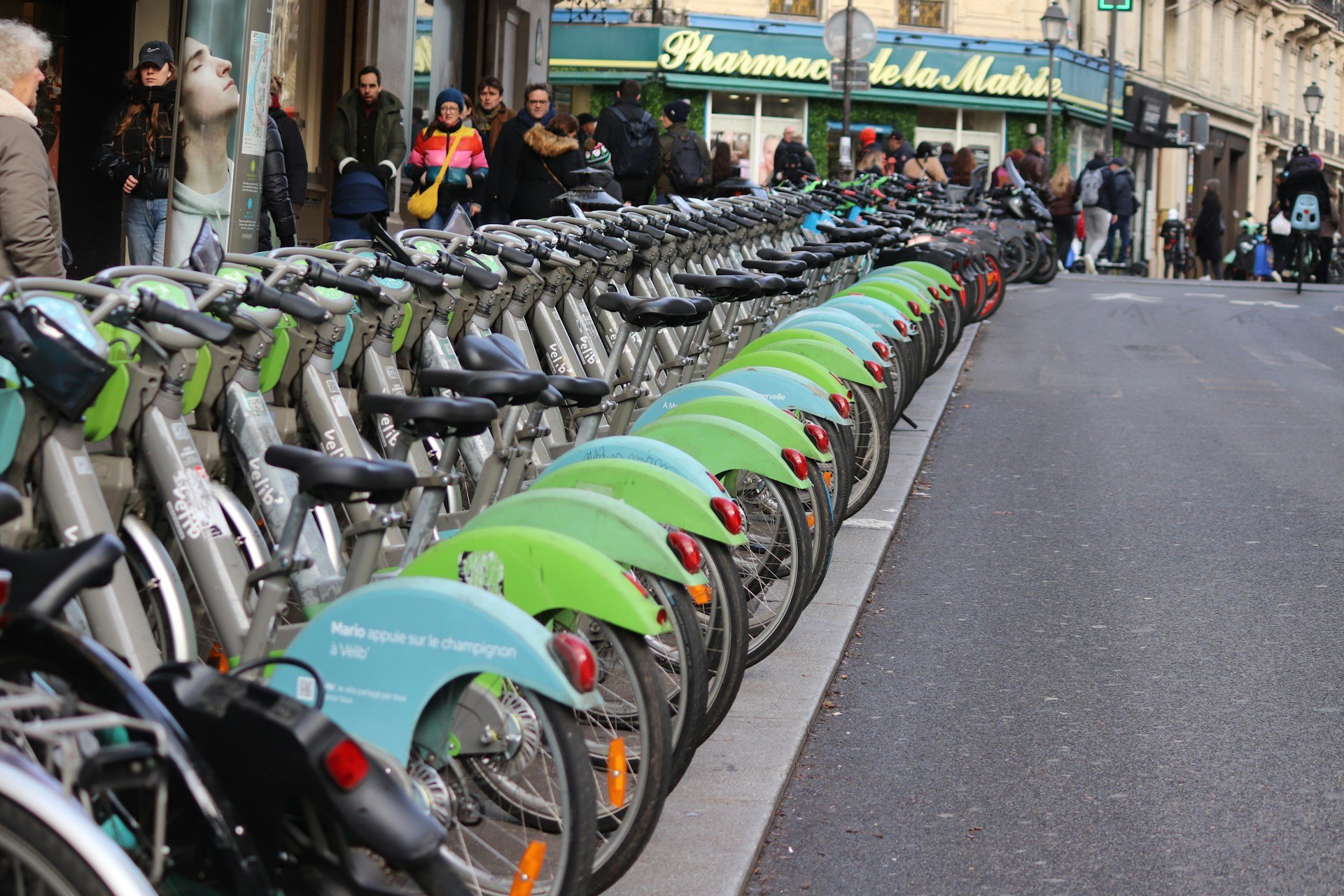
Part of the reason cities like Euromonitor International’s top five cities resonate with modern-day travelers is because the destinations are meeting visitors where they are. Eco-friendly transportation in Rome and Madrid or the limited consumption of single-use plastics in Tokyo is naturally integrated into locals’ everyday life, meaning vacationers can also easily access these initiatives and implement them seamlessly into their visit.
Plenty of travelers are willing to put in the work to find sustainable initiatives in any destination they book, but when eco-friendly options meet convenience, it’s especially appealing to the everyday vacationer. Several cities around the world offer similar green spaces, electric transportation and other eco-friendly practices, so advisors who can effectively match their clients to convenient sustainability opportunities will certainly generate new leads into this niche audience.
Asia Pacific Experiences Rapid Growth
It’s no secret that Asian Pacific destinations have ramped up in popularity, but to put a number to it, the region recorded the highest rise of international arrivals last year at 10%. Hotspots like Bangkok saw the most visitors at 30.3 million, followed closely by Hong Kong and Macau.

Consistent with the previous key motivators, Euromonitor International cited visa relaxations (primarily benefiting European travelers), large-scale infrastructure upgrades and high-profile cultural and sporting events as reasons for the rapid growth in visitors. From Osaka’s cherry blossoms and Thailand’s Loy Krathong lantern festival to Vietnam’s airport expansion project and China’s high-speed rail system connecting every flagstone city, investment across the region is making travel easier and more compelling for international visitors.
These destinations are still early in their international rise to stardom, but their accessibility improvements and major cultural events are creating more viable itinerary options for advisors to give their clients. As these investments continue, the region will likely remain top of mind for adventurous travelers, effectively setting the stage for the next wave of travel demand.
About the Author





comments