


Tourism can change destinations, and not always for the better. It is a delicate balance between seeing the world and seeing it in a way that minimizes impact on the destination and the locals themselves.
Whisked down a gravel street in a bright red tuktuk near the center of Siem Reap, Cambodia, you see a brightly lit area two hundred yards down the street aptly named Chocolate Road. The glow of string lights overhead in an otherwise unlit street sparks curiosity. The tuktuk driver slows with the crunch of gravel under the tires, audible in otherwise silent surroundings.
You have arrived at Haven and are warmly greeted by a young hostess behind the host stand, a smile confident and assured of their role. The anticipation of the meal that is about to unfold warms you from within. You immediately sense you are in for a treat, and Haven delivers on that hunch in all the right places.
Beyond Angkor Wat and the magnificent sights surrounding Siem Reap, the city’s stark contrasts of the gleaming hotels against humble homes and deep poverty are frankly impossible to ignore.

Haven was founded by Swiss couple Sara and Paul Wallimann, who first visited Siem Reap in 2008 and discovered that young adults aging out of orphanages often had limited skills and few opportunities to build a sustainable life. After several years of exploring how to better prepare this at-risk population while connecting them to the city’s bustling tourism industry, the idea for Haven was born and eventually launched in 2011.
The mission is simple yet grand. Haven is a training restaurant and social enterprise that creates new life prospects for disadvantaged young adults, teaching them valuable work and life skills.
During the 12-month program, students learn not only kitchen skills but also front-of-the-house and administration, so after leaving the program, they have real, employable credentials across the greater Siem Reap tourism industry. “After completing the internship, we actively support our graduates in the transition to a permanent position. We are proud of our 100% placement rate,” it states on the company’s website.
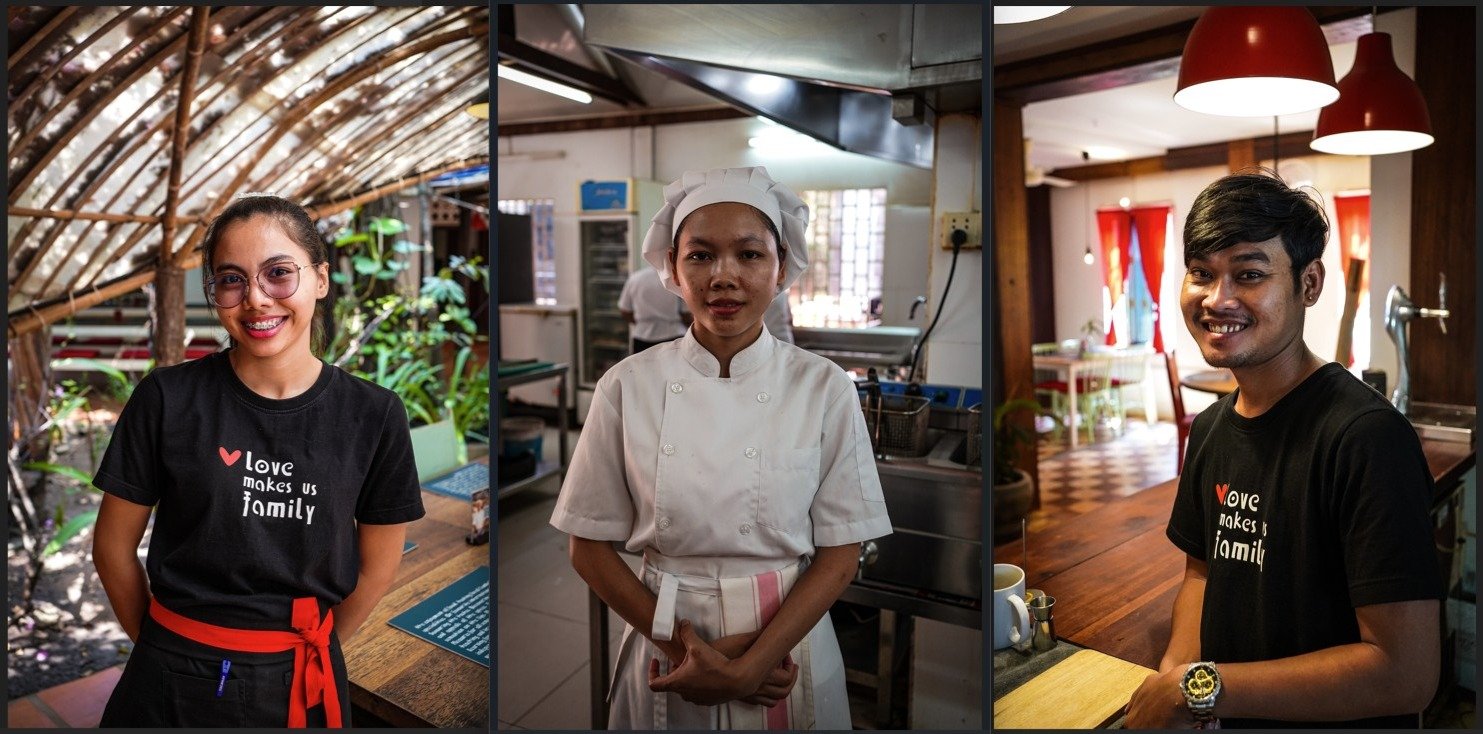
Haven’s commitment to sustainability goes far beyond a training program. It includes supporting local farmers and other non-profits committed to Cambodia’s healthy development. Their goal is lofty, yet they deliver on it one plate at a time, consistently over more than a decade. The space itself shines like the brightly lit stretch of Chocolate Road outside—an inviting contrast to an area often left in the shadows. You almost wonder if the visual impact is intentional. Maybe it is.
Haven is not charity dining either. It’s genuinely excellent food, often regarded as some of the best in Siem Reap, and for good reason. The menu spans multiple cuisines: Asian, Khmer, and other international dishes with a strong leaning toward vegetarian and vegan options. The thoughtful yet wide breadth of cuisine helps teach and train the interns and develop a range of culinary knowledge to help prepare them for jobs outside of their temporary role here.
Each detail is carefully crafted, from the plating of the dishes to the heartwarming feel that you can taste. Pride isn’t just shown at Haven, it’s palatable.
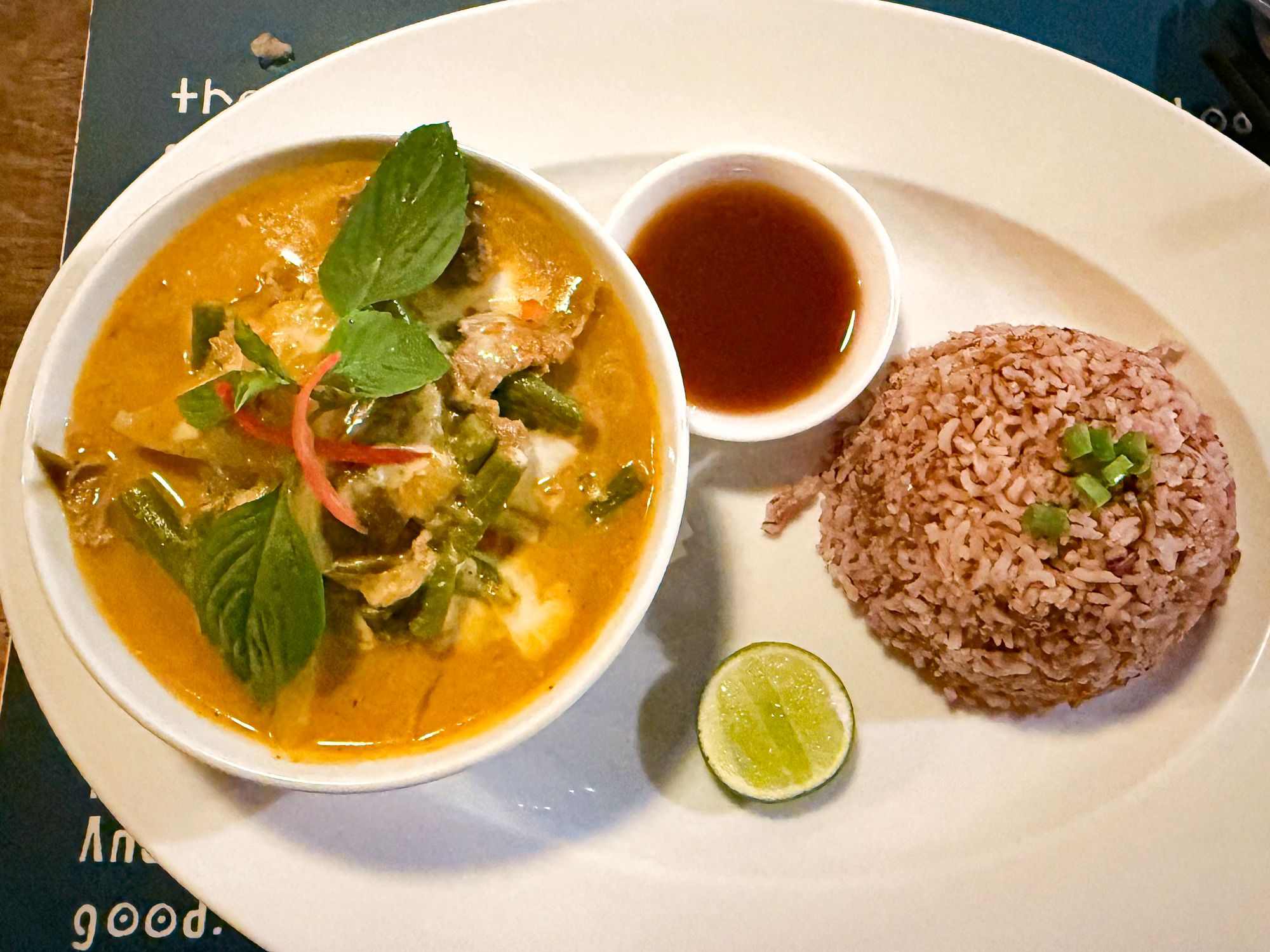
The mouthwatering food isn’t the only star at Haven. Set among manicured grounds, beneath thoughtfully designed overhead cover or inside a traditional Khmer house, the space is as carefully crafted as the cuisine itself.
Thankfully, Haven’s commitment to sustainability isn’t alone in Siem Reap. Other focuses where tourism is positively impacting local life include Phare Circus: a social enterprise performance art show supporting Cambodian youth; APOPO HeroRATs Visitor Center: a landmine detection nonprofit that provides public tours; and Fair Trade Village: the city’s only permanent market selling certified, genuine Cambodian-made handicrafts, supporting rural artists and preserving traditional techniques, just to name a few.
Next time you are plotting your itinerary, look up “social enterprises” and see how you can weave the experience into the highlights that brought you to the destination. You may be surprised at the growing ecosystem of sustainable tourism and non-profits and how easy it is to impact a community beyond recycling and minimizing your carbon footprint.
Take it one step further and do the same in your local community. The opportunity to make a positive impact can be as simple as grabbing a sandwich at a local café — one that supports local farmers, provides job training for at-risk youth and partners with culinary programs to offer hands-on experience. In the case of the Community Café in Grand Junction, Colorado, profits are reinvested to fund the Community Food Bank’s food pantry program, helping feed friends and neighbors in need.
It’s important to remember that people come from all over the world to look at what you look at every day. Literally. Getting out of the mundane of everyday life and appreciating what you get to look at every day is key to sustainability in your own life. Your choices as a tourist, whether in far away lands like Siem Reap or in your hometown, can have far greater impact if you choose to look for and take small steps to support a growing web of social enterprises, both locally and abroad.
The smiling face at the host stand isn’t just there to seat you. With one simple meal, you are supporting a mission far greater than “just” a restaurant. It’s a movement and a purpose far greater than your food, and the long-term effect on Siem Reap (or Grand Junction) can be the lasting, positive impact you desire. The meal ends. The impact doesn’t.
Cole Sjoholm




comments