


Ever wonder what it’s like to stay onboard the same ship while everyone else disembarks? Welcome to back-to-back cruising. Whether the ship repeats the same itinerary or visits new destinations for your additional time onboard, back-to-back cruises are gaining popularity with value seekers, retirees, digital nomads and long-term travelers.
Instead of rolling your suitcase down the gangway and rushing to the airport, you get the quiet satisfaction of knowing your vacation isn’t ending. It’s just starting again.
What Exactly Is a Back-to-Back Cruise?
Generally defined as two or more consecutive sailings on the same ship, a back-to-back cruise allows travelers to extend their time at sea without changing vessels. Whether you are fortunate enough to stay in the same cabin or need to move is often determined by when you book and the category of cabin you select. Each option comes with its own benefits, depending on how you want to design your extended stay onboard.
Maybe you splurge on a suite for one sailing and select more modest accommodations for the other. Staying in the same cabin throughout your consecutive voyages offers the simplicity of fully settling in. Back-to-back cruising provides flexibility to vacation in your own style, budget and preferences.
There are some ports where back-to-back cruising has become more popular, such as the Caribbean, Alaska and the Mediterranean. However, nearly every ship offers the ability to stay onboard unless it is scheduled for maintenance or the next voyage is already fully booked. Booking early is often the best strategy to give you the most options when cruising on consecutive sailings.
Benefits of Back-to-Back Cruises
Many travelers have realized that one of the biggest benefits of back-to-back cruises is the reduced cost per night of travel. Lower airfare and hotel expenses, combined with the potential for onboard credits when booking an additional sailing, can significantly reduce both the overall cost — and the stress — of a typical vacation.
Instead of taking two separate trips at different times of the year, combining two or more sailings into one extended holiday allows travelers to fully rest and recharge, in addition to the cost savings.
Whether you choose to combine shorter three- or four-day cruises or longer voyages depends on your schedule and the ship’s itinerary. That said, many cruise-goers who try back-to-back sailing for the first time typically combine two seven-night sailings, creating a two-week vacation.
A secondary benefit comes from ship familiarity, staff recognition and better use of onboard amenities. Spending multiple consecutive sailings on the same ship enhances the onboard experience. Working with the restaurant manager to request the same table and servers, having the same stateroom attendant if you remain in the same cabin and even having bar staff remember your favorite drink orders can make the experience feel effortless and personalized.
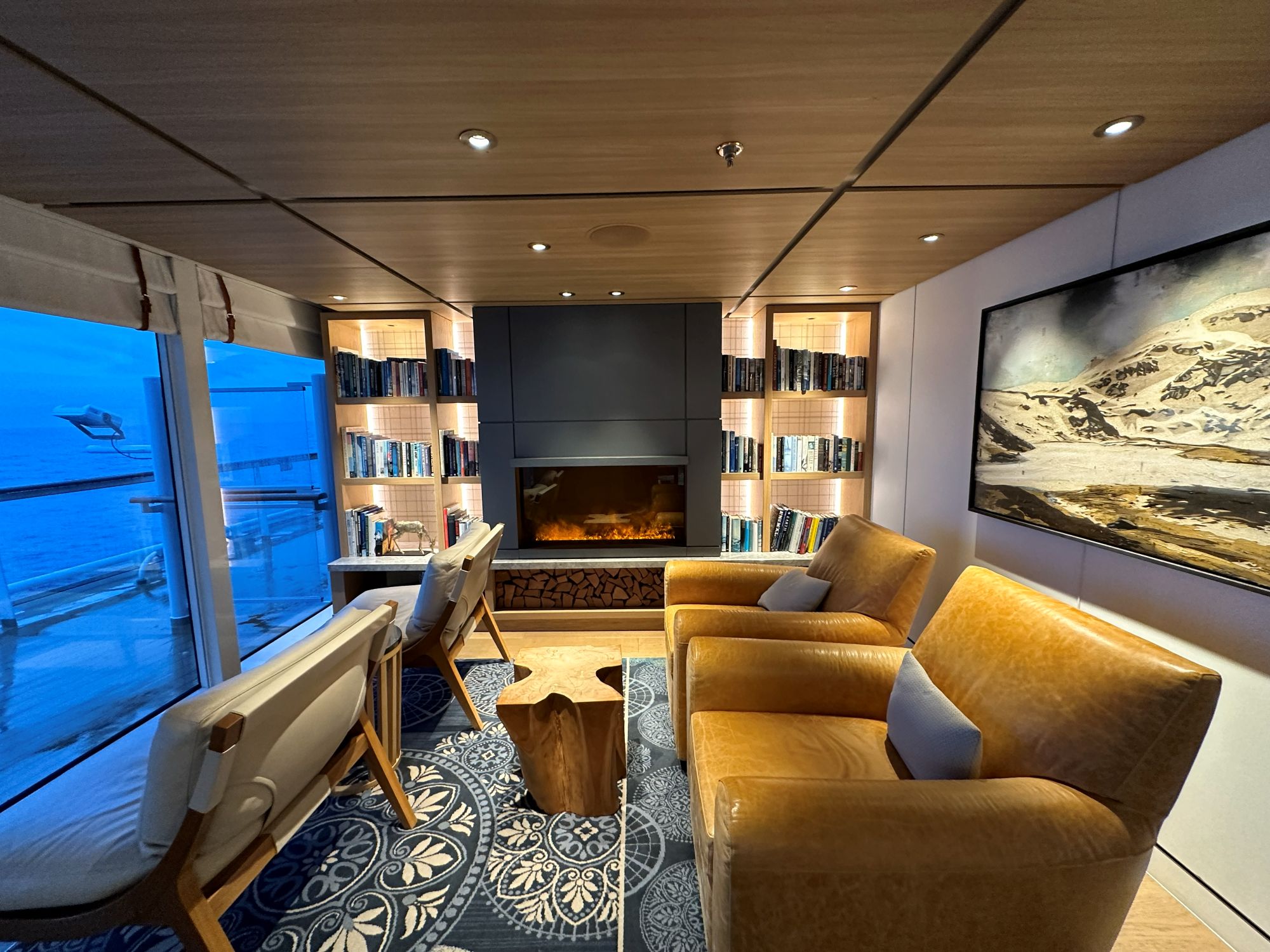
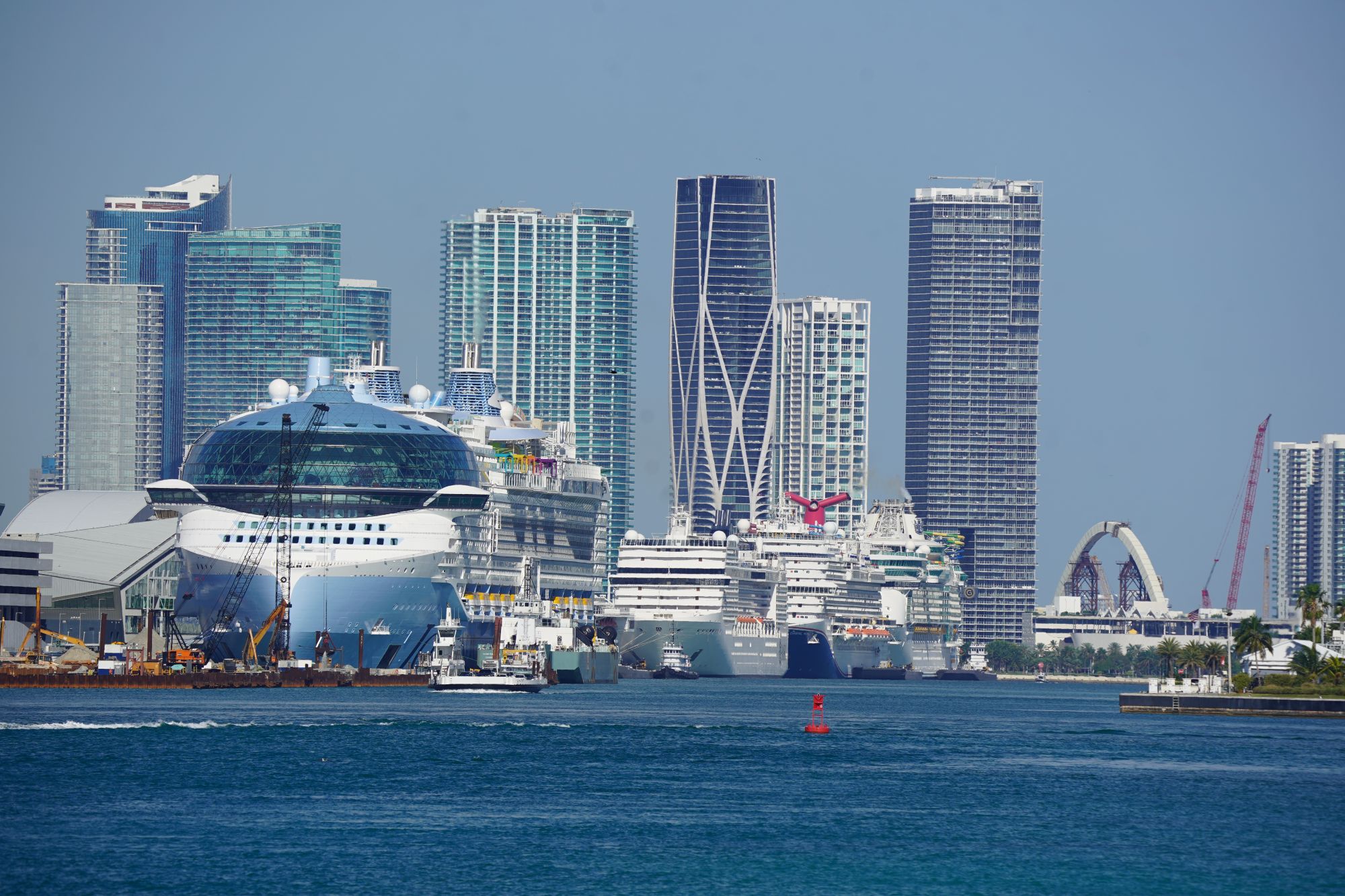
As cruise ships continue to grow larger, they offer more amenities, shows and restaurants than ever before. Some ships are so expansive that it can be nearly impossible to experience everything they offer on a single sailing. Whether you prefer larger or smaller ships is a matter of personal preference, but even on smaller vessels, additional time onboard allows you to revisit favorites and discover hidden corners that might otherwise go unnoticed.
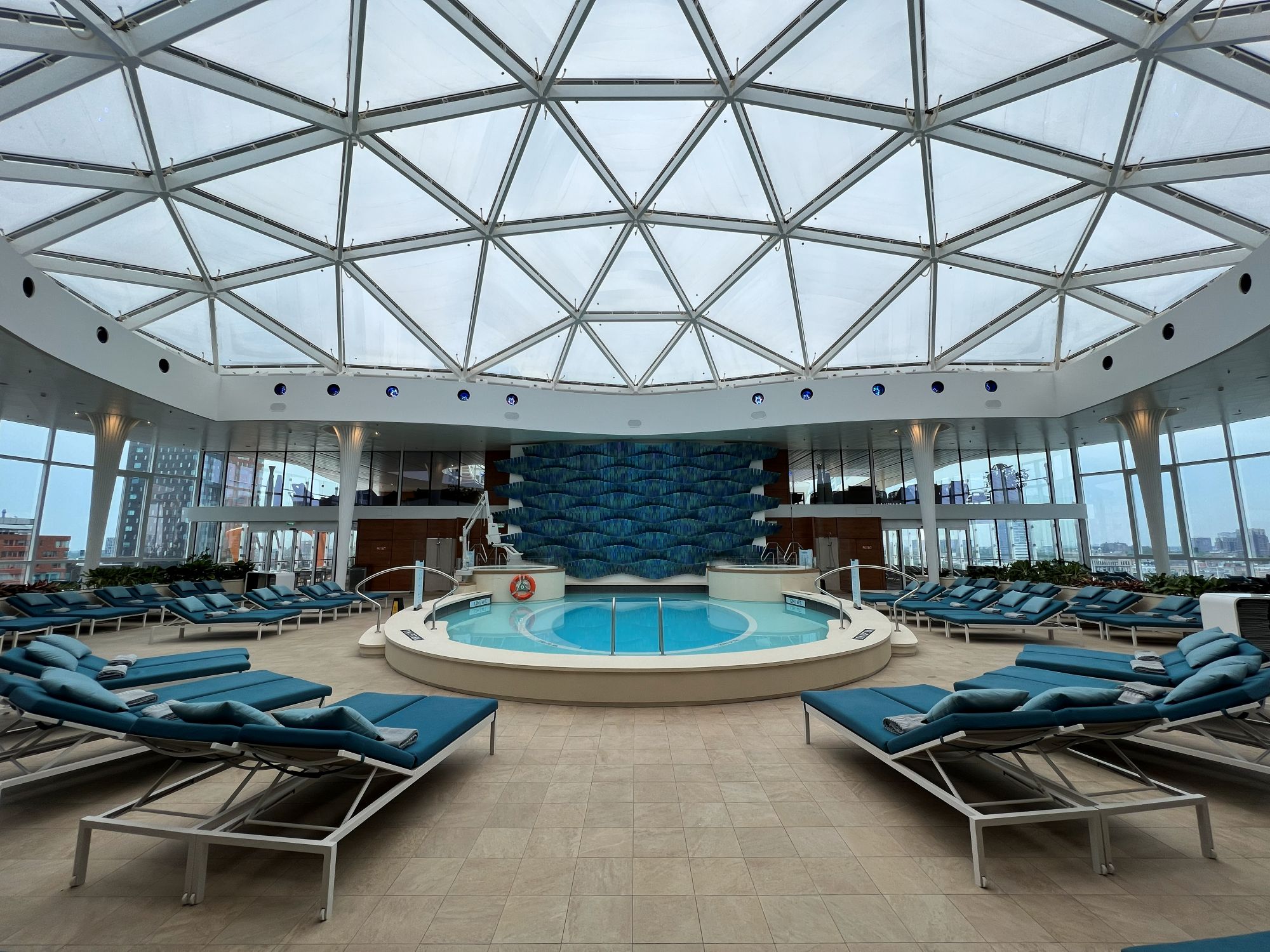
Perhaps you purchase a spa pass with access to the thermal suite for one sailing, treat yourself to a discounted port-day massage, finally take the plunge down a waterslide or navigate a ropes course, go-kart track or even a roller coaster at sea. Whether you lean toward adventure or relaxation is entirely up to you, and having more time onboard makes it possible to experience more of the ship’s amenities.
Other cruise enthusiasts appreciate the slower pace of back-to-back sailing. Not feeling pressured to see a show every night, avoiding the fear of missing out, sleeping in or starting the day later in a repeated port can dramatically change how you experience a cruise vacation. Fully settling into a routine onboard is frequently cited as one of the most noticeable — and enjoyable — differences for back-to-back cruisers.
What Happens on Turnaround Day?
Immigration and customs procedures vary by port and can differ even for sailings departing from the same location. The cruise line will communicate specific requirements, and if you have questions, it is always best to ask.
Generally speaking, back-to-back cruisers — who may number anywhere from a handful to several hundred per sailing — will meet in a designated area, such as a lounge or dining room. Ship staff will guide guests through the local requirements.
If you are staying in the same cabin, your belongings typically remain unpacked while you process through the back-to-back procedures. While there have been rare instances where port authorities require guests to remove themselves and their belongings from the cabin, this is uncommon. One of the biggest advantages of back-to-back cruising, especially when remaining in the same cabin, is that you only need to pack once at the very end of your journey.
If you are changing cabins, you will pack your belongings unless they are part of a butler service. Your cabin attendant will likely assist with transferring items between cabins. Ship staff manage the logistics so that when you go through customs and immigration, you are only responsible for yourselves and the required paperwork. It may sound intimidating to first-time back-to-back sailors, but rest assured, the crew is there to guide you through the process and make it as simple and smooth as possible. Follow their guidance and instructions, and you will find yourself sipping a cocktail before any other guests are even allowed to begin boarding.
Guests are often given the option to remain onboard or go ashore on turnaround day, similar to any other port day. Exploring the ship’s homeport or taking an excursion while other passengers disembark and new guests board is generally permitted. Once you exit the ship, however, back-to-back guests are usually required to reboard during normal boarding hours.
Many cruise lines offer transit passes or similar programs that help shorten waiting times and streamline the reboarding process for back-to-back guests. Be sure to speak with Guest Services and follow all requirements so you know what to expect for your sailing.
Fearful of Repetition?
Repetition fatigue can occur when spending many consecutive days on board the same vessel. Dinner menus typically operate on a rotation, meaning the first night’s menu on one sailing may reappear on the first night of the next. What feels like a drawback to some guests is a benefit to others, offering the chance to try different menu items without feeling pressured to order multiple dishes in a single sailing. It may even help curb the common cruise weight gain.
Shows are often repeated, and onboard musicians usually remain the same. Again, this can be either positive or negative depending on your perspective. Many travelers appreciate the flexibility to spread entertainment across multiple sailings instead of feeling compelled to see everything in one week.
Same Itineraries vs. Varied Ports
Imagine sailing through the Greek Isles and, instead of choosing between Mykonos or Santorini, getting to visit both through varied itineraries that call on different islands. With back-to-back cruising, there is less need to worry about making the wrong decision. The added flexibility of back-to-back cruising and varied itineraries can help eliminate the stress of choosing between iconic, must-see destinations.
Packing for Extended Cruises
Ship laundry services are widely available and can ease the challenge of packing for back-to-back or extended sailings. Some ships even offer self-service laundry facilities. Certain cruise lines include free or discounted laundry services as part of loyalty programs, and select cabin categories may offer reduced costs.
Visiting a shoreside laundromat can also become an unexpected cultural experience. Navigating payment systems and observing locals going about their daily routines may not sound like a traditional cruise excursion, but doing things your own way can bring moments of joy and break up the conventional cruise routine. It’s also a fun and unique experience that few friends back home have likely ever considered. Have fun with it.
Ready to Plan Your Back-to-Back Sailings?
Just as there is no right or wrong way to cruise, curating a back-to-back experience is entirely up to you. Working with a trusted travel advisor is often the best way to craft a journey that aligns with your travel style and maximizes enjoyment during an extended cruise holiday.
Seasoned back-to-back cruisers understand that cruising is a lifestyle — not just a vacation. It’s a mindset that opens the door to longer stays, deeper relaxation and more meaningful experiences at sea. Ready to try it? Reach out to your favorite cruise planning expert and start maximizing your back-to-back cruise experience.
Cole Sjoholm




comments