

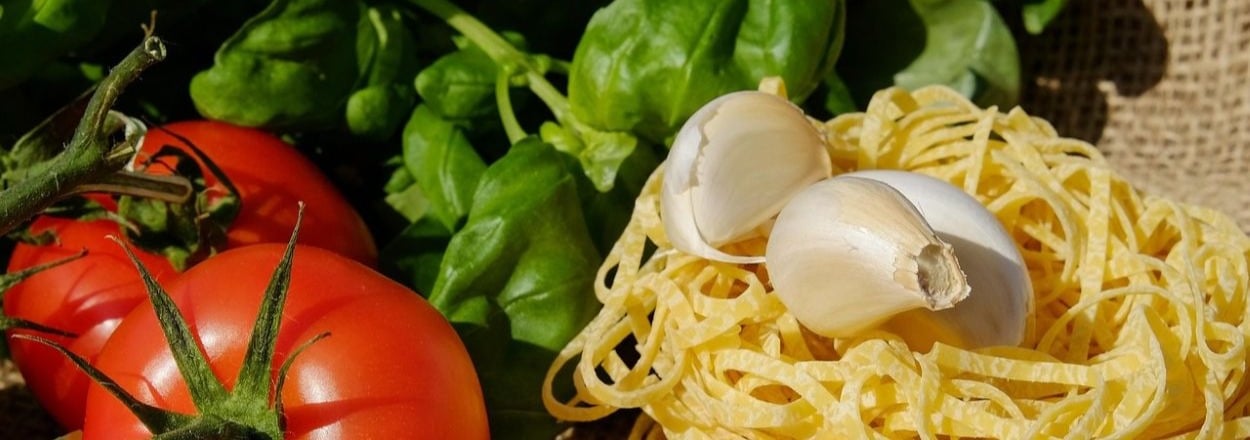
Travelers who are even partially curious about a visit to Europe know Italy is a food lover’s paradise. The fresh ingredients, simple dishes and generational recipes that make up the dining scene are the exact reason Italian cuisine was the world’s first to earn UNESCO status at the end of 2025.
But even with its globally recognized level of prestige from governing institutions, food tourism in Italy can often feel underappreciated, rarely having its well-deserved time in the limelight. It’s easy to ignore the effort that goes into crafting each meal when it’s a dish travelers are already intimately familiar with (I’m looking at you, pizza, pasta and gelato), though Italian cuisine didn’t earn its UNESCO status for nothing. Read on to learn about the practices and traditions that are the beating heart of many of Americans’ favorite meals and how travelers can incorporate authentic experiences into their next foodie-centric itinerary.
What Makes Italian Cuisine Worthy of UNESCO Recognition
Giorgia Meloni, Italy’s Prime Minister, said it best in a CNN article: “…For us Italians, cuisine is not just food or a collection of recipes. It is much more: it is culture, tradition, work and wealth.”
This philosophy is especially evident in the family’s involvement with cooking and preparing food. In particular, Italians are known for their oral transmission of recipes and techniques. Making homemade pasta with the grandparents isn’t about measuring out ingredients precisely the same way every time but rather assessing the texture of the dough between your fingers and the glide of the spoon through the sauce that are indicative of a recipe well done. A memorized cookbook, heirloom appliances and coveted family ties are what inspire a visitor’s menu at a local restaurant, and that’s what UNESCO is recognizing with its awarded status.
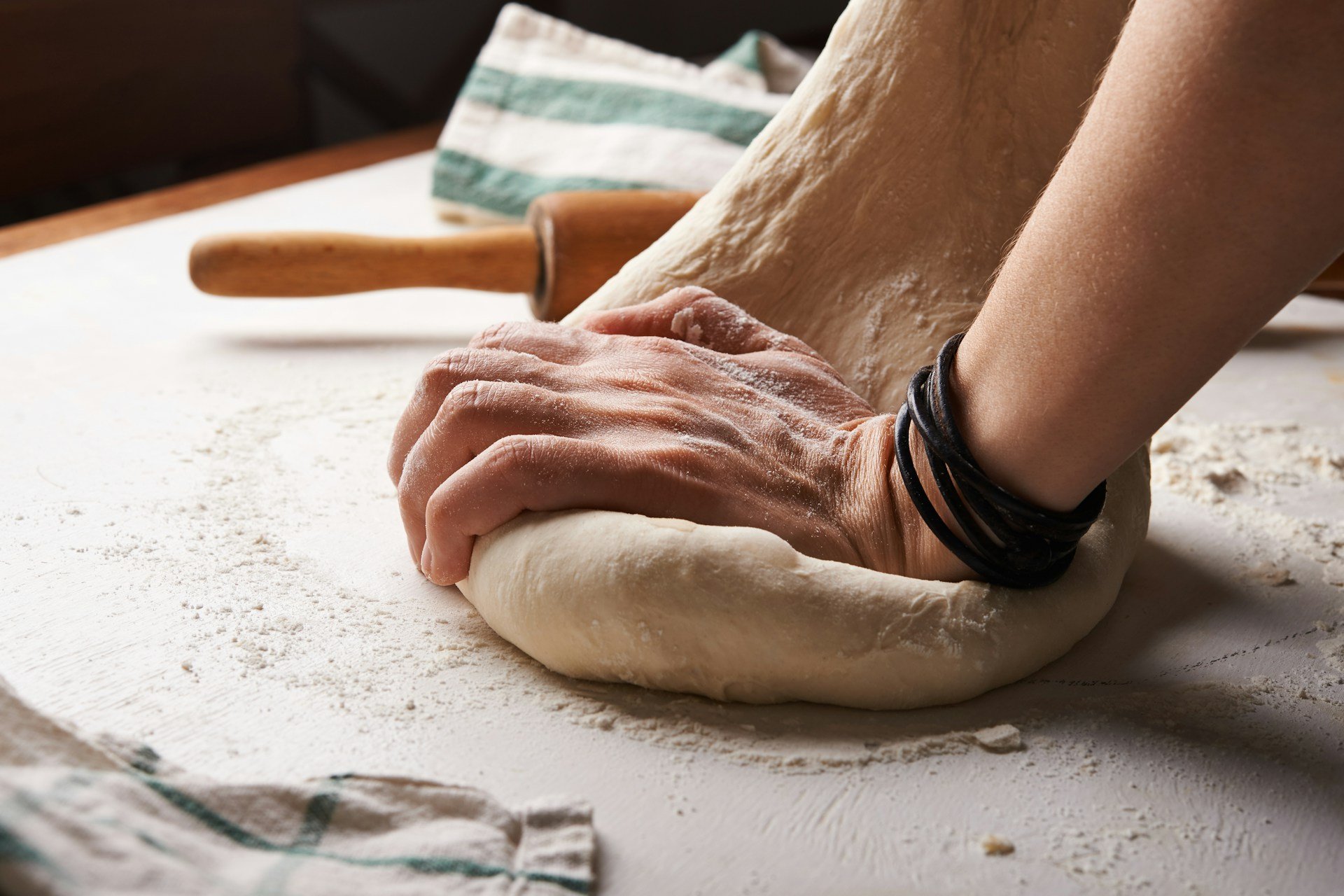
Additionally, Italian food is vulnerable in a way not many other cuisines replicate. Sauces, doughs, side dishes and desserts typically use minimal ingredients, meaning chefs can’t hide behind bold flavors if something isn’t prepared properly. It’s clear when fresh herbs don’t sing together or the base of a dish is slightly out of harmony, exacerbating the true effort required to put a delicious meal together. Travelers dining out in Italy aren’t only eating food for sustenance; they’re witnessing someone’s craft and labor of love.
Get The Most Out of Your Foodie Experience
Not every vacationer chooses to spend their time and money tracking down authentic eats on a trip, but for those who do and are curious about taking a deeper look into Italian cuisine, here are some tips for making the most of your culinary experience.
Dine Authentically
It sounds extremely obvious to say, but considering Italy’s popularity among tourists, more establishments are cropping up and catering to foreign palates. This makes it increasingly harder to distinguish local restaurants from the rest, especially when mixed signals like a line out the door give the impression that it’s one of the best places to eat.
Before even arriving in Italy, travelers can do some research and consult blogs from residents. They know the ins and outs of their town or city better than anyone else, so not only can they redirect readers to look elsewhere, but they often throw in some other travel hacks to save money or beat the crowds.
While travelers are already on their computers researching, they can also take a moment to investigate the regional flavors of the destination. Contrary to popular belief, many beloved meals aren’t universal across Italy, meaning there are at least a couple of dishes a specific region does better than anywhere else — Tuscany is world-class for bistecca alla fiorentina, a grilled T-bone steak, while Puglia is renowned for its orecchiette pasta. Because these foods are staples of the region, restaurants feature them on the menu to appease the locals’ preferences. When vacationers stumble across an establishment specializing in these flavors, they’ll know they’ve hit pay dirt. The same could be said of seasonal flavors. Italians are big on using the freshest ingredients, so take time to discern what should be on the menu at the time you’re visiting.

If travelers haven’t had time to prepare beforehand, they can also assess the restaurant from the street with a few key indicators. The first is a small, handwritten menu. Because local establishments use seasonal ingredients, their offerings are often rotating to accommodate them; handwritten menus are the easiest to quickly swap out. Additionally, chefs would rather prepare food right and prepare it well, even if that means offering a smaller variety of dishes. Keep an eye out for menus that reflect these Italian standards.
Lastly, be sure to brush up on cultural dining norms before heading abroad. Many Italians prefer to eat a late dinner, usually after 7:30 p.m., and restaurants will even close between lunch and dinner to prepare for the next meal. Establishments open outside of traditional dining hours likely mean they're appealing to the foreign appetite.
Consider a Food Tour
Booking a food tour is an alternative option if visitors don’t want to stress about finding good food. Small group tours with a local guide are the best way to go, as participants get the opportunity to sample some true hidden gem flavors and learn the story behind them. It’s a much more meaningful and private approach to experiencing Italy’s diverse offerings. Be cautious about booking tours that are quick and cheap since this typically signals that you’ll be sticking to the tourist areas rather than venturing further out to family-run establishments.
Take a Cooking Class
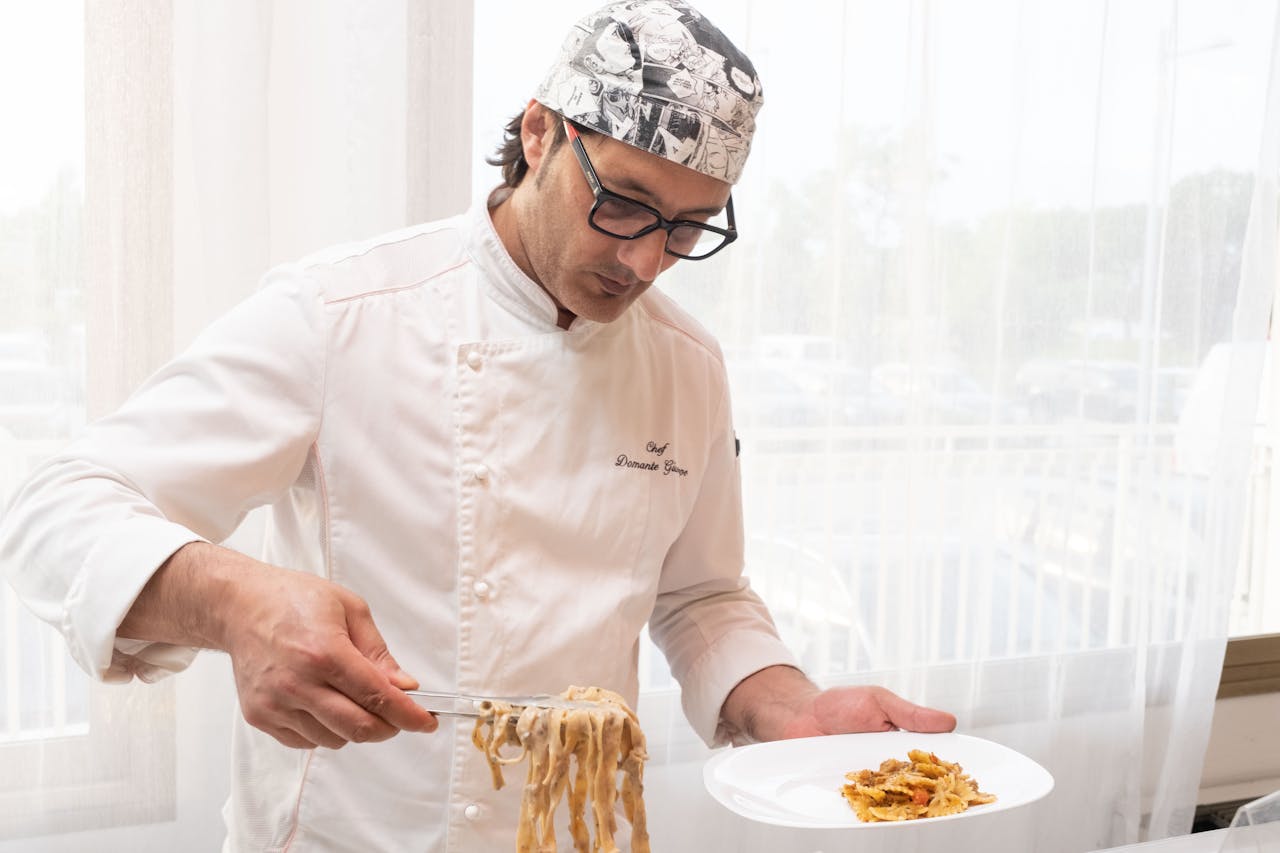
As fun and fulfilling as eating a delicious meal can be, there’s something special about a hands-on experience. And what better place is there to take a cooking class than Italy? The best classes are often in home kitchens with guided instructions from a resident. Some operators will take the class on a side quest through nearby markets to pick up the ingredients, discussing the tradition and customs associated with the foods you’re making. Others will simply do this as they walk you through the prep steps. In either approach, small groups are important so that travelers can ask questions and engage more directly. Avoid classes that allow a large number of people to sign up or feature a laundry list of meals to make — both are red flags that the experience might not be what participants were hoping for.
About the Author






comments