

Spanning over 386,000-square-miles, Nunavut, Canada’s northernmost territory, is absolutely massive in scale. In fact, the distant arctic land is so large, it represents a fifth of the country. However, despite its size, few outside the region’s 40,000+ residents have the honor of experiencing this chilly gem of a destination. This is because Nunavut — with its dazzling winter night skies, soaring mountain peaks and extraordinary wildlife — is extremely remote with no major roads or highways leading to the area. Instead, hopeful visitors are forced to turn to more adventurous forms of transportation by air or sea — journeys that are valiant experiences in and of themselves. Despite its logistical challenges, for the most intrepid of wanderers, Nunavut has all the makings of a bucket list vacation spot, its utter solitude and unique culture beckoning them to wade into this unfamiliar territory perched at the top of the world.
Boreal Beasts at the Floe Edge
Beluga, walrus, muskox, caribou, narwhal and more, they all have a place in Nunavut’s animal kingdom. That right, narwhals, aka the “unicorns of the sea,” are anything but a myth, and in Nunavut, the quirky tusked whales can be spotted in spades as the fairytale-like creatures grace the waters of places like Arctic Bay, Lancaster Sound, Pond Inlet and Naujaat. While narwhal frequent this region throughout the year, travelers can up their chances of seeing them when they visit in May or June when the animals begin their summer migration journey. Of course, the polar bear — or “Nanuq” in Inuktitut — is another coveted animal encounter, and visitors will find they have the chance to spot them in several local communities, especially those situated near the ocean like Arviat, Hall Beach, Naujaat, Pond Inlet and Resolute. That being said, as the largest land carnivores on Earth, travelers should be warned to never approach a polar bear in the wild. Instead, the majestic beasts are best observed from the safety and comfort of a professional tour led by an experienced guide.
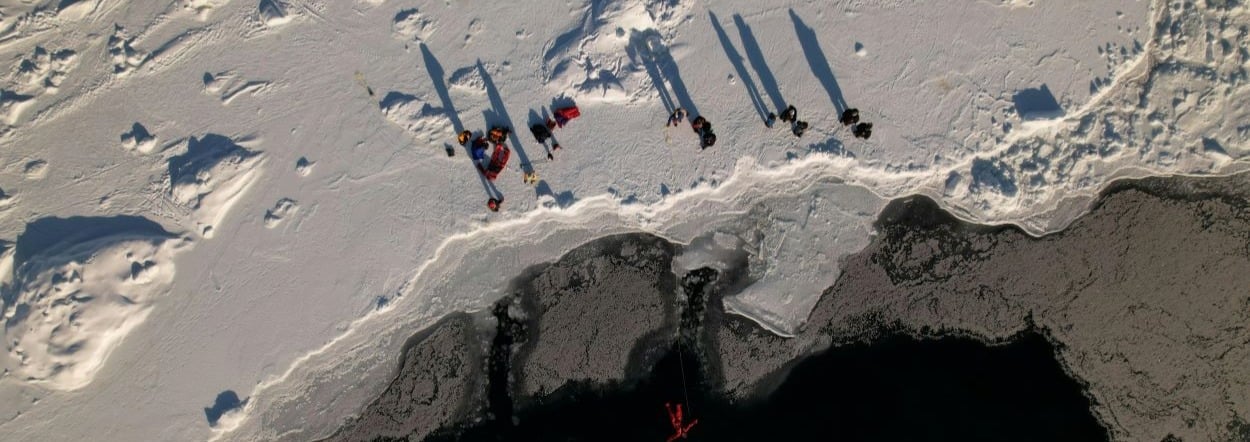
Those longing for a wild moment they will never forget might consider traversing the floe edge, the area where the sea ice meets the open water. An essential part of arctic life, the floe edge is an ecosystem that changes with the seasons, serving as a hunting and fishing ground for both people and wildlife in permafrost-covered Nunavut. While locals depend on the floe edge to provide food, clothing and tools for the community, tourists flock to it to observe northern-based creatures, with seals, walruses, narwhals, sea birds and polar bears all being known to make an appearance. According to Destination Nunavut, May through July is an ideal time to visit the floe edge as that’s when the region begins to welcome spring, and the animals act accordingly as they become more active after shaking off the deep sleep of winter.
Considering the setting — ice sheets cozied up to some of Earth’s chilliest waters — it’s no surprise travelers are only encouraged to visit the floe edge alongside a trusted guide. As for how they’ll get there, snowmobiling is a popular mode of transportation, while day camps set up along the shore and sea kayaking are common ways to wait out the action.
Arctic Adventures and Culture Galore
In addition to its remarkable wildlife, this Canadian territory is a haven for outdoor enthusiasts, paving the way for exciting activities like dog sledding, hiking, camping, snowmobiling, fishing, big-game hunting and paddling, as well as winter sports like heli-skiing and snowshoeing. Because of its location in the Arctic Circle, Nunavut experiences both the Midnight Sun and the Aurora Borealis, meaning visitors have the chance to spot the Northern Lights during the coldest months of the year and can enjoy near 24-hour daylight during the warmest months of the year. Finally, natural areas like Auyuittuq National Park, Baffin Island, Ellesmere Island and Sylvia Grinnell Territorial Park are all ranked highly among travelers, making them worthy additions to potential visitors’ must-see wish lists.
What’s a visit to a new destination without a taste of the local culture? In Nunavut, people are proud of their Inuit heritage, and visitors will find residents are excited to educate others on traditional ways of life via storytelling, musical performances, soapstone carving, jewelry-making, artwork and more. There are a handful of museums for those interested in learning more about local life, including notable stops like Unikkaarvik Visitor Center, Nunatta Sunakkutaangit Museum, The Matchbox Gallery and Arctic Coast Visitor Centre.
Originally appeared in the Fall 2025 issue of The Compass magazine
About the Author



comments