

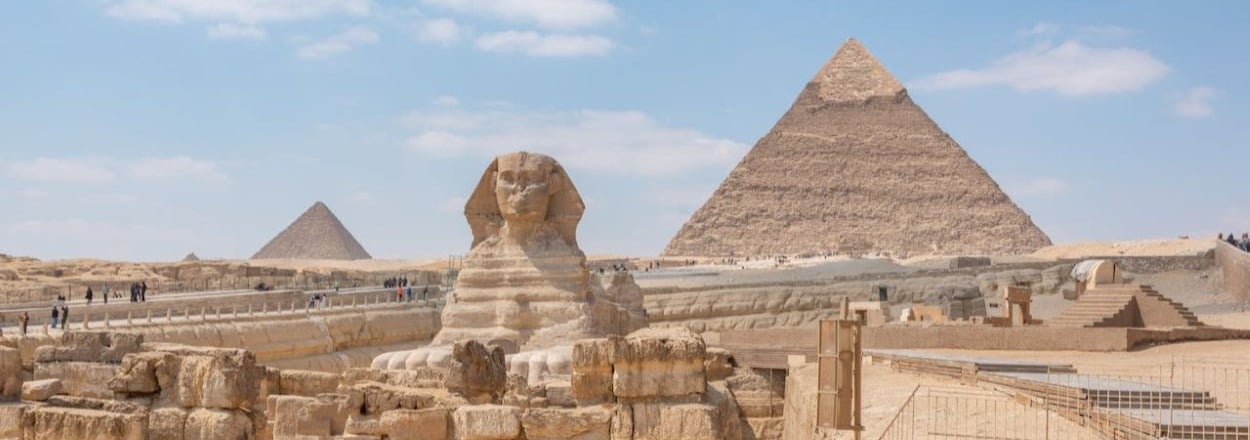
Where imposing pharaohs once ruled, Biblical figures journeyed across arid landscapes and architectural marvels appeared seemingly overnight, Egypt stands as an ancient destination like no other. The country’s majestic beauty has never been lost on travelers, though recent efforts to boost global tourism sparked a renewed interest for visitors, propelling the destination higher on bucket lists and encouraging a revival.
The push has not been in vain either, as Egypt welcomed a record-breaking 15.7 million visitors in 2024, with strong interest coming from the American market. These statistical figures are only expected to rise in the new year, especially as cutting-edge technology, new hotel properties and expanding flight routes cater to the needs of modern-day travelers. With Egypt’s emergence as the next “it destination,” there’s never been a better time to discover its wonders.
Uncovering Hidden Gems
Giza, Luxor, Cairo and Alexandria are typically the big names travelers associate with Egypt, but new cities outside of these classics are gradually making their way into the spotlight. In particular, the coastal city of Sharm El-Sheikh perfectly represents the atmosphere of the Red Sea region, with its delicate balance of wellness retreats, world-class beaches and outdoor exploration.
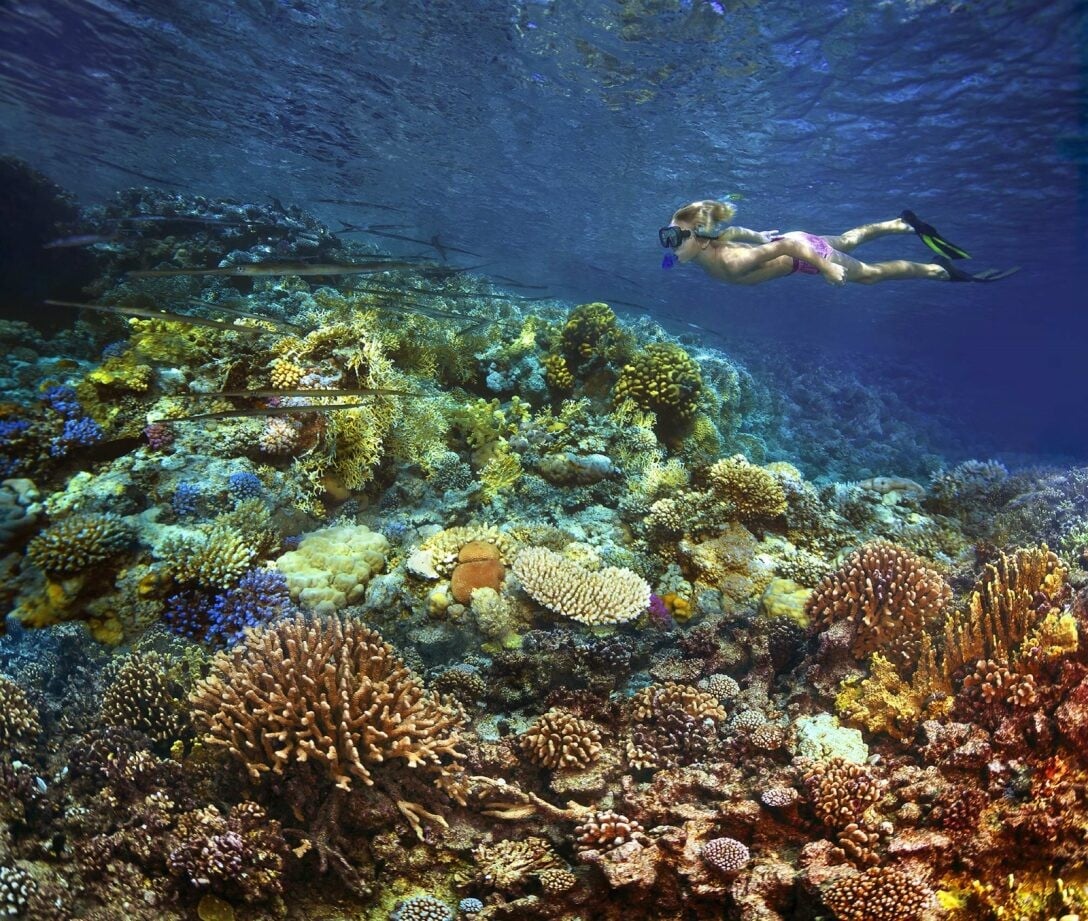
The charming destination first appeared on tourists’ radars for its magnificent dive spots among the picturesque coral reefs, though it’s since blossomed into a thriving city with restaurants, golf courses, shopping malls and five-star resort properties. As Egypt and its untrodden escapes continue to grow, local regulations and luxury hospitality brands are forging a symbiotic relationship that aligns with the values of today’s travelers, merging eco-friendly amenities and sustainability with appreciation for the land and sea.
Even in Egypt’s most remote locations, like the Siwa Oasis, visitors can find revamped health experiences. The vast desert land is home to hundreds of freshwater springs, each ranging in temperature and mineral content; therapeutic salt lakes, hot springs and natural spas only begin to scratch the surface of the awaiting relaxation. Combine that with the vibrant sunsets and mesmerizing archaeological sites of the area, and travelers are privy to an entirely new side of Egypt’s blended offerings.
Adventure tourism represents another flourishing sector for visitors. Imagine quad biking in the shadow of the Giza Pyramids, horseback riding through Dahab’s mountainous landscapes, windsurfing in the chic resort town of El Gouna or hiking through Fayoum’s Valley of the Whales (a UNESCO World Heritage Site). These adrenaline-fueled experiences offer immersive pathways into Egypt’s underrated attractions, revealing layers beyond the familiar.
A Fresh Perspective on an Iconic Destination
While interest in lesser-known cities reflects Egypt’s versatility as a tourist destination, the timeless, historic spots are also evolving to embrace their renewed prominence on the world stage.
The Grand Egyptian Museum (GEM) in Giza is a prime example of this transformation. Archaeologists are constantly discovering new trinkets to add to Egypt’s trove of treasures, and the destination needed a venue that bridged the country’s mysterious past with the curious minds of present-day travelers.
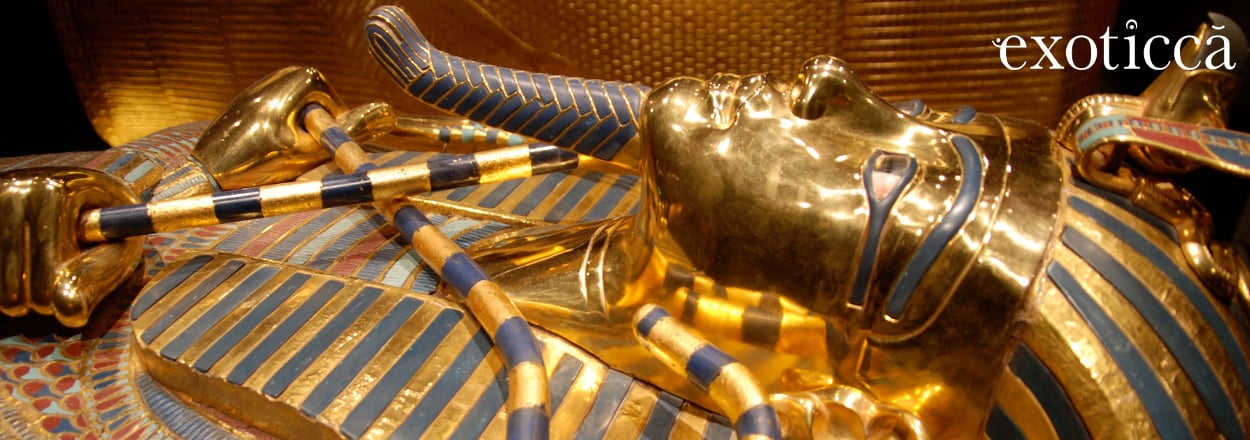
Two decades in the making, the museum officially opened to the public in November 2025. The sprawling attraction displays over 57,000 preserved artifacts alongside virtual reality exhibits, and an 82-ton statue of Rameses II stands tall in the central atrium, setting a distinguished tone for the tour. King Tutankhamun’s exhibit, however, may be the crowd favorite, as over 4,500 artifacts were recovered from the famous pharaoh’s tomb. Some of them have never been displayed before, and his throne, royal jewelry and golden funerary mask are among the featured pieces.
In an innovative touch, staff members recently began assembling one of King Khufu’s wooden boats in full view of museum visitors. The project is expected to take four years to complete, offering travelers a rare glimpse into real-time archaeological restoration. Each visit promises something new to discover, much like Egypt itself.
Originally appeared in the Spring 2026 issue of The Compass magazine
About the Author




comments