

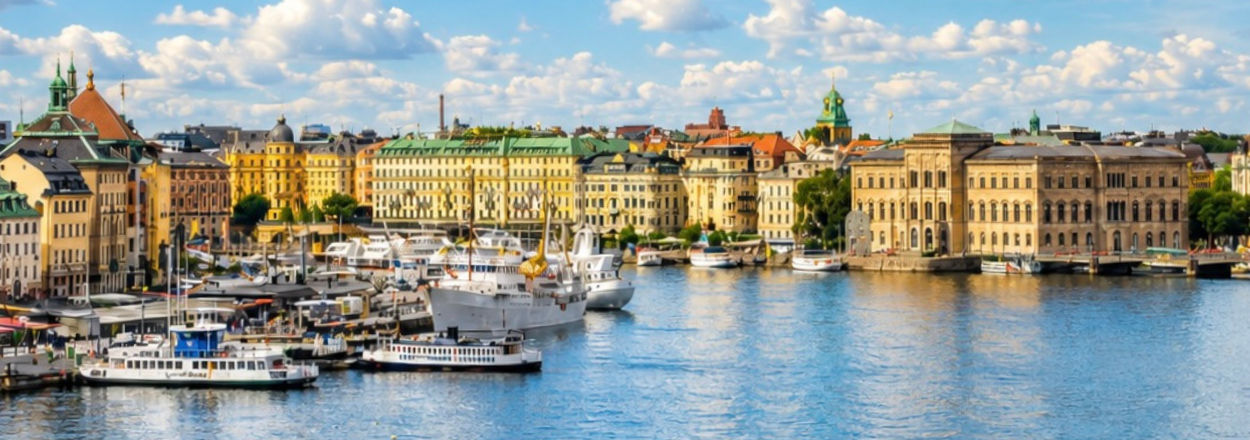
In less than a week in Sweden, I stood beside a 17th-century warship, ate my way through Stockholm and took a boat into its archipelago. Then I boarded a train to Gothenburg, cruised the canals, slowed down for fika and took a ferry, this time to a car-free island and an eatery that doubles as a knitting shop.
Stockholm and Gothenburg offer distinctly different experiences, yet travelers do not have to choose between them. Together, Sweden’s two largest cities deliver history, food, culture and easy access to nature in one surprisingly simple, car-free trip.
Why Combine Stockholm and Gothenburg?
Stockholm delivers the grand first impression. Built across islands, Sweden’s capital dazzles with stately architecture, world-class museums, cobblestone streets and water views in nearly every direction.
Gothenburg feels different almost immediately. Sweden’s second-largest city is smaller, more relaxed and closely connected to its west coast setting. Trams rumble through the center, seafood plays a starring role and ferries carry passengers to car-free islands.
Together, the two cities give travelers a broader sense of Sweden without complicated logistics or a rental car.
What To Do in Stockholm
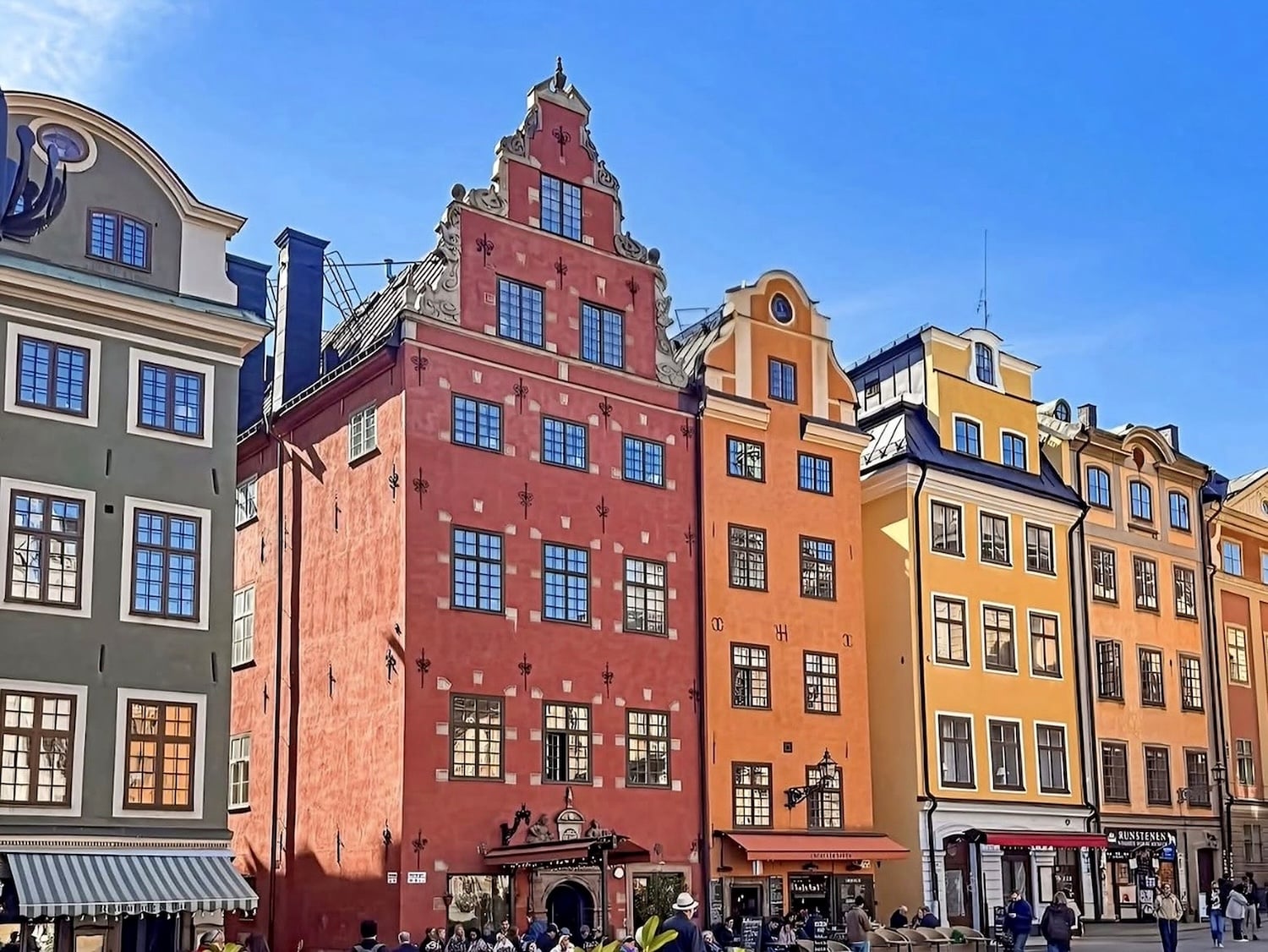
First-time visitors should begin with Gamla Stan, Stockholm’s atmospheric Old Town, where narrow lanes lead to Stortorget and its famously colorful buildings.
Then head to Djurgården, Stockholm’s museum island. The Vasa Museum should be high on the list even for clients who do not normally gravitate toward museums. Its centerpiece is the remarkably preserved Vasa, a 17th-century warship that sank on its maiden voyage in 1628 and was raised more than three centuries later.
Nearby, ABBA The Museum offers an entirely different experience, celebrating Sweden’s most famous pop group through music and interactive exhibits.
Food is another way to understand the city. On a Nordic food tour, I sampled traditional and contemporary Swedish flavors, including a tunnbrödsrulle, a gloriously messy flatbread roll stuffed with sausage, mashed potatoes and shrimp salad. Anthony Bourdain once described the unlikely combination as, “The most disgusting thing ever ate … and I love it.” After trying one myself, I understood exactly what he meant.
What To Do in Gothenburg
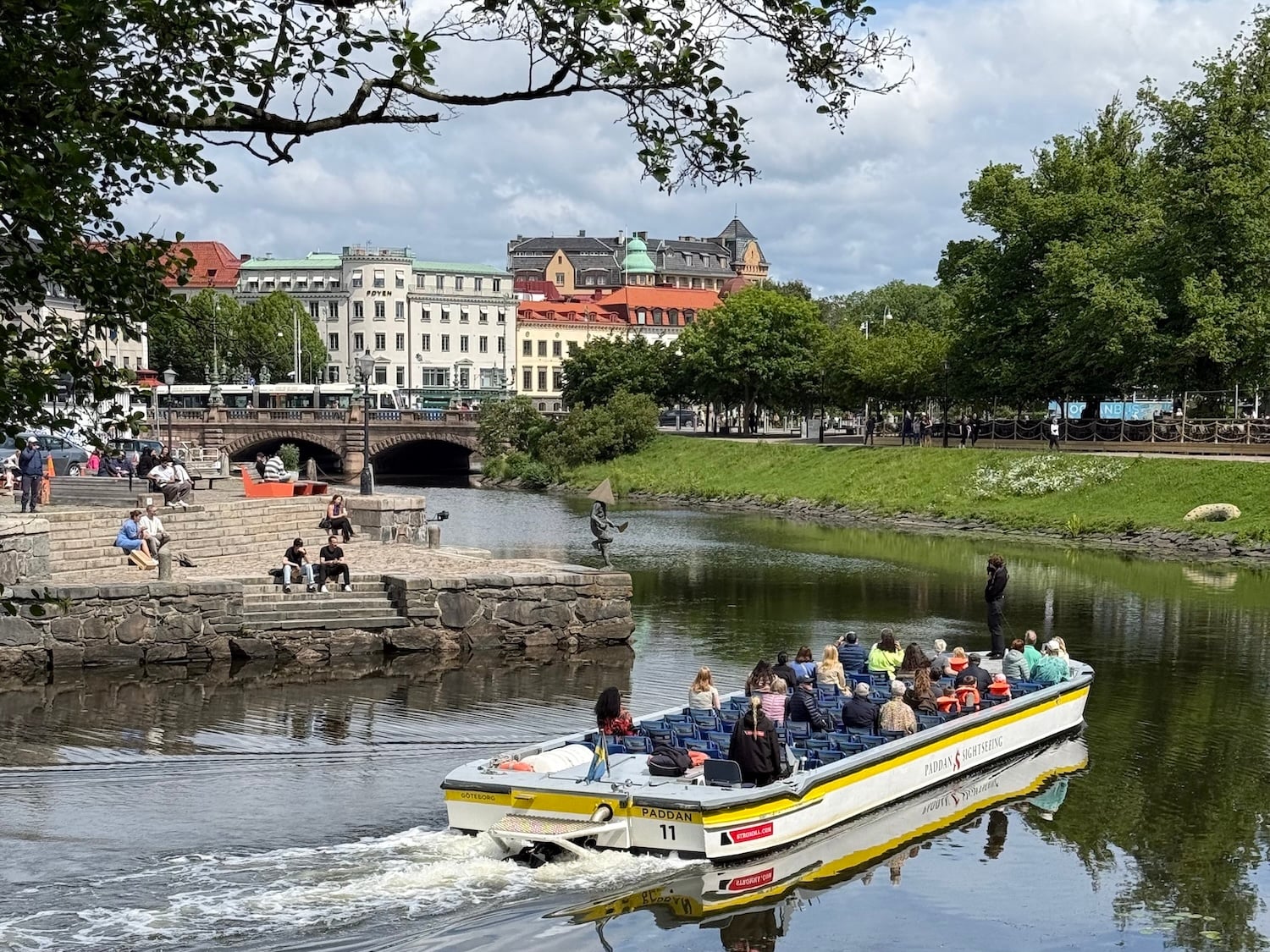
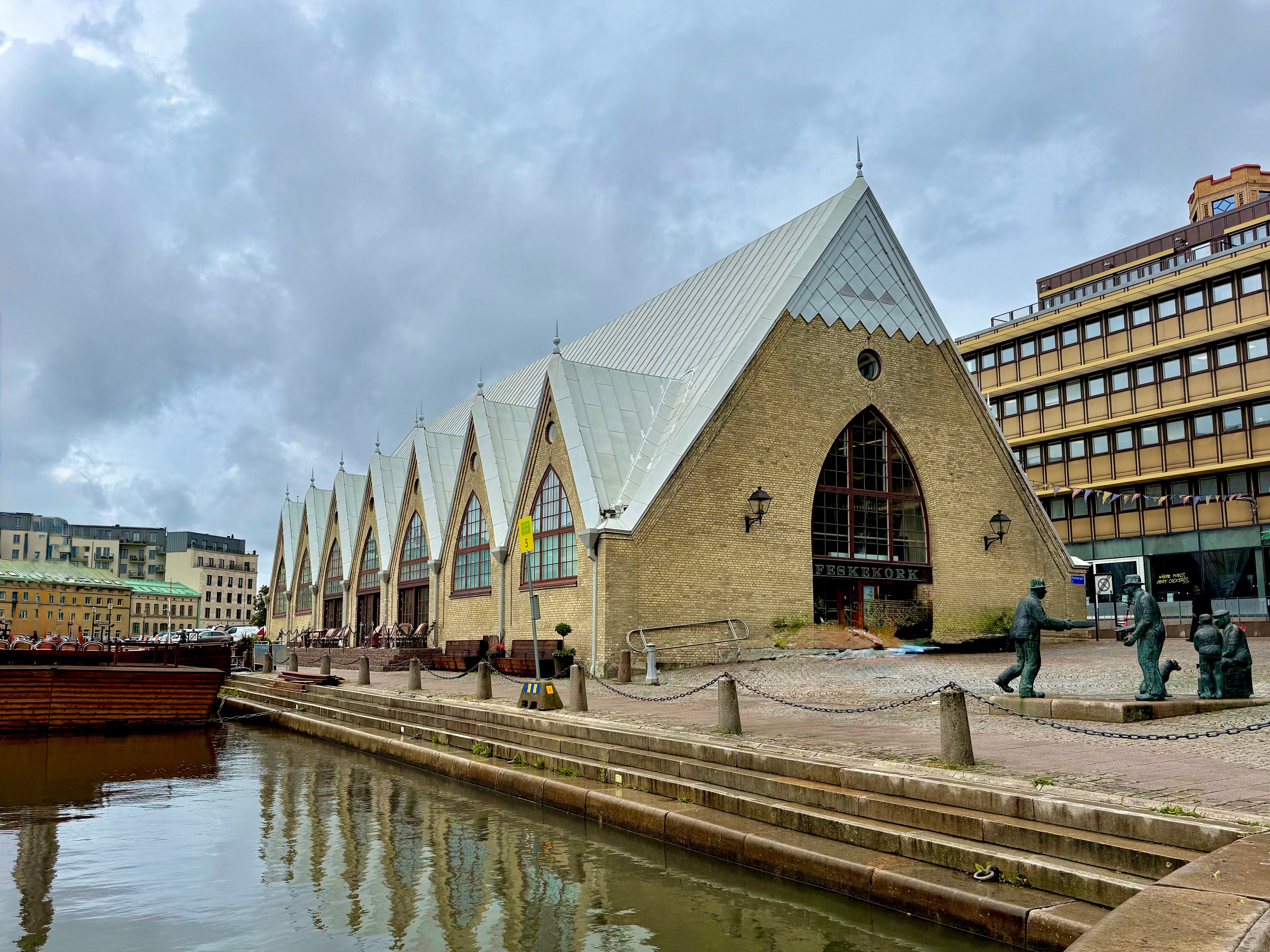
A Paddan boat tour is a good introduction to Gothenburg, carrying visitors along the canals and harbor while providing an overview of the city’s history. Food-focused clients should visit Stora Saluhallen, the historic market hall, and Feskekôrka, a landmark seafood market named for its church-like architecture. Then make time for fika. More than simply stopping for coffee, fika is the Swedish tradition of slowing down over coffee and something sweet. I embraced the ritual at da Matteo Roastery with a sourdough cinnamon bun.
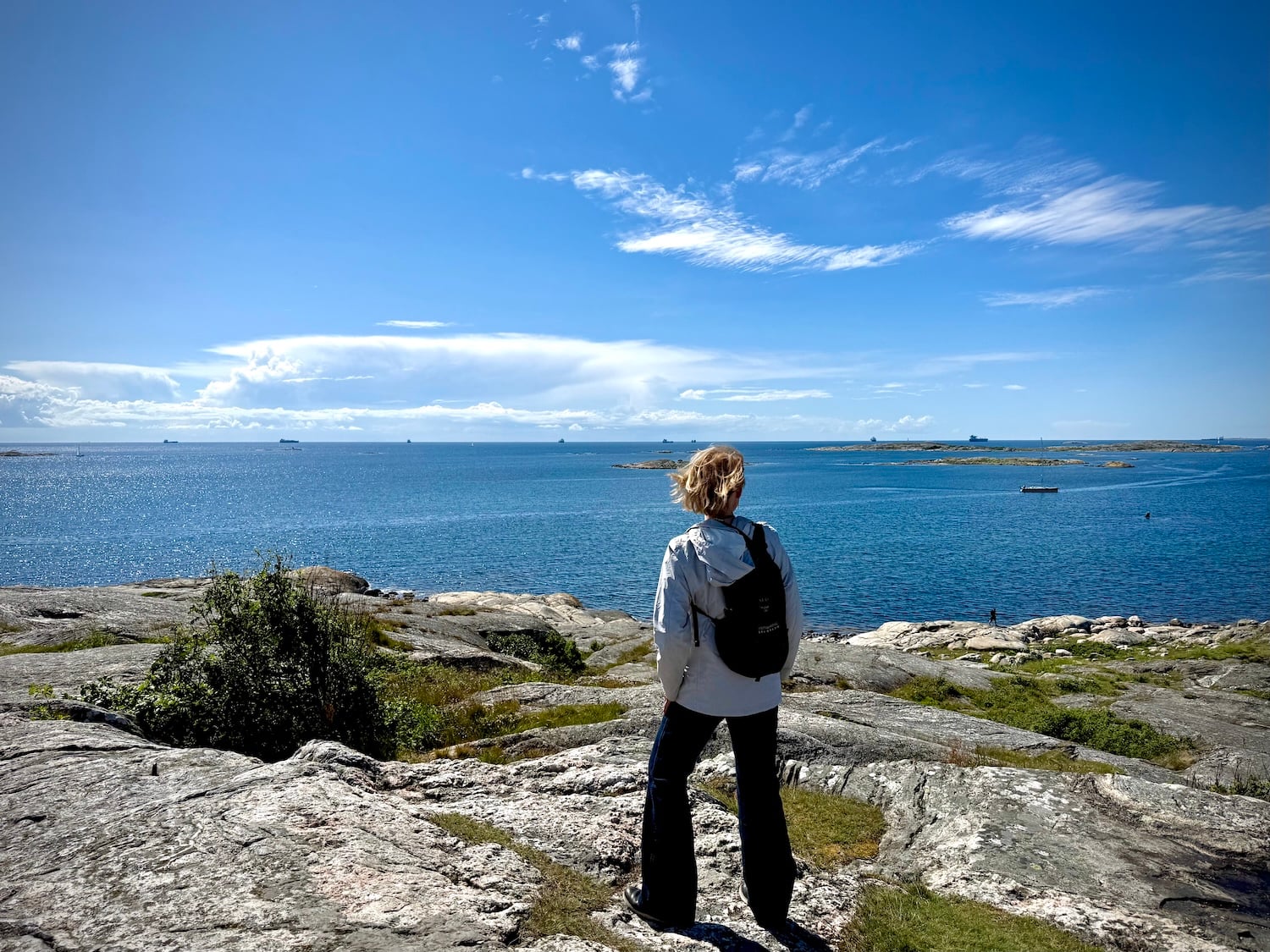
One of Gothenburg’s greatest strengths is how easily visitors can escape the city. I traveled by tram and ferry to Donsö in the Southern Archipelago, where red boathouses, fishing boats and rocky shorelines replace city streets. There, I discovered Popsicle, an unexpected combination of eatery and knitting shop that reflects the creative spirit of the islands. This family-run spot, a peaceful oasis, served local crawfish followed by a homemade dessert — my island version of fika.
Back in the city, Michelin-starred Koka showcases modern West Swedish cuisine and gives advisors a strong option for clients seeking a special evening.
Where To Stay
In Stockholm, I stayed at Hotel Skeppsholmen, a distinctive waterfront hotel on Skeppsholmen Island. The property occupies former Royal Marine buildings dating to 1699, blending centuries of history with contemporary Swedish design.
The island feels removed from the city, yet central Stockholm is an easy walk or ferry ride away. It has a strong sense of place and is a memorable alternative to a conventional city-center hotel.
In Gothenburg, I stayed at the Avalon Hotel at Kungsportsplatsen in the heart of the city. Its central location made it easy to walk to restaurants, markets and attractions or hop on a tram.
The hotels reinforce the contrast between the cities: a historic island retreat in Stockholm and a stylish base in the center of the action in Gothenburg.
Who Is It For?
A combined Stockholm and Gothenburg itinerary works especially well for couples, solo travelers, food lovers, museumgoers and active clients who enjoy walking, cycling and time on the water. It’s also a good choice for travelers who want to explore independently but may feel intimidated by a complicated European itinerary. English is widely spoken, public transportation is efficient and neither city requires a car.
Stockholm offers the museums, architecture and energy many clients expect from a European capital. Gothenburg may appeal even more to those who prefer smaller cities, a slower pace and easy access to nature.
How To Sell It
For a first visit, a good itinerary is four nights in Stockholm followed by three nights in Gothenburg, connected by direct train. Clients with less time can make it three nights in each city, but advisors should avoid squeezing both into a long weekend.
In Stockholm, allow one day for Gamla Stan and the central city, one for Djurgården’s museums and one for the archipelago. In Gothenburg, plan a day for the city and food scene and reserve another for the Southern Archipelago. The cities complement each other rather than duplicate the experience. Sell Stockholm for the bucket list sights, museums and grand-city energy; sell Gothenburg for its relaxed pace, seafood and access to the islands.
Advisors should resist overpacking the itinerary. Some of my favorite moments came from riding ferries, walking the waterfront and stopping for fika.
When To Go
Summer is especially appealing. Long daylight hours let travelers fit more into each day without feeling rushed, while generally mild temperatures make walking, ferry trips and outdoor dining comfortable. Clients should still pack layers and rain protection. Swedish weather can change quickly, and even summer evenings may feel cool.
Spring and early fall can also suit clients who prefer fewer visitors, though some seasonal archipelago services may be reduced.
Good To Know
Sweden is largely cashless, so clients should be comfortable using credit cards and mobile payments. Summer’s long days are wonderful for sightseeing but may surprise light sleepers, making an eye mask worth packing. Dining can be expensive, but travelers can balance special restaurant meals with food halls, bakeries and casual lunches.
Getting There
Stockholm is the most logical international gateway for many U.S. travelers, while Gothenburg has convenient connections through major European hubs. For clients visiting both cities, an open-jaw itinerary can be especially efficient: Fly into Stockholm, take the train to Gothenburg and depart from there. This eliminates backtracking and creates one seamless trip.
For destination planning resources, advisors can consult Visit Sweden, Visit Stockholm and Göteborg & Co.
For clients who want history, food, accessible nature and the freedom to explore without a rental car, the question may not be whether to recommend Stockholm or Gothenburg. It may be, “Why not recommend both?”
Sharon Kurtz




comments