

The Vibe
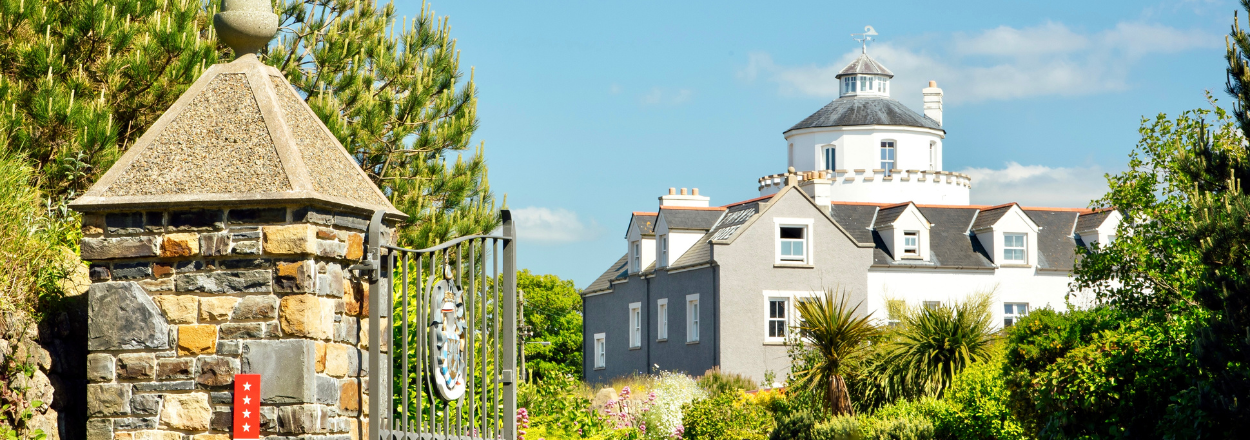
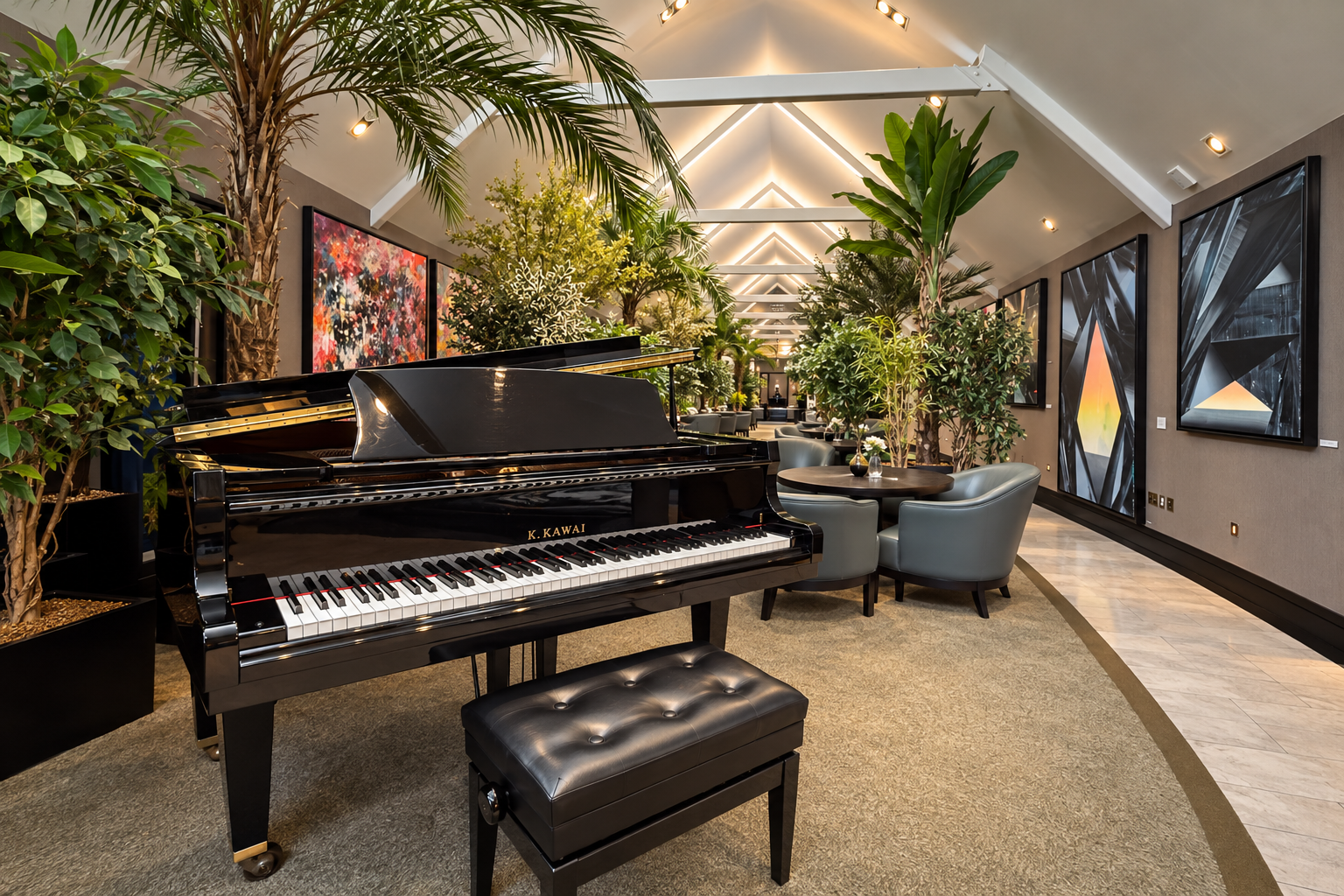
Twr y Felin feels contemporary the moment you walk in, but its history is never far away. The property began as a windmill in 1806, and the original tower still rises at the heart of the hotel. Today, sleek interiors and more than 250 commissioned artworks give Twr y Felin the feel of a private gallery. Many of the pieces reflect the landscapes, wildlife and colors of the St. Davids Peninsula, so even the modern side of the hotel feels firmly rooted in Pembrokeshire. What I liked was the contrast. The art is bold and contemporary, but you never lose the sense that you are staying somewhere with a story.
How I Felt
Curious. I kept noticing details that made me want to know more about the building. It is one thing to stay in a historic hotel. It is another to realize that the same tower once ground corn, survived fierce coastal storms and later housed members of the Women’s Royal Naval Service listening for German radio transmissions during World War II. That history gave the hotel more personality for me. Twr y Felin feels polished and modern, but never newly invented.
The Digs
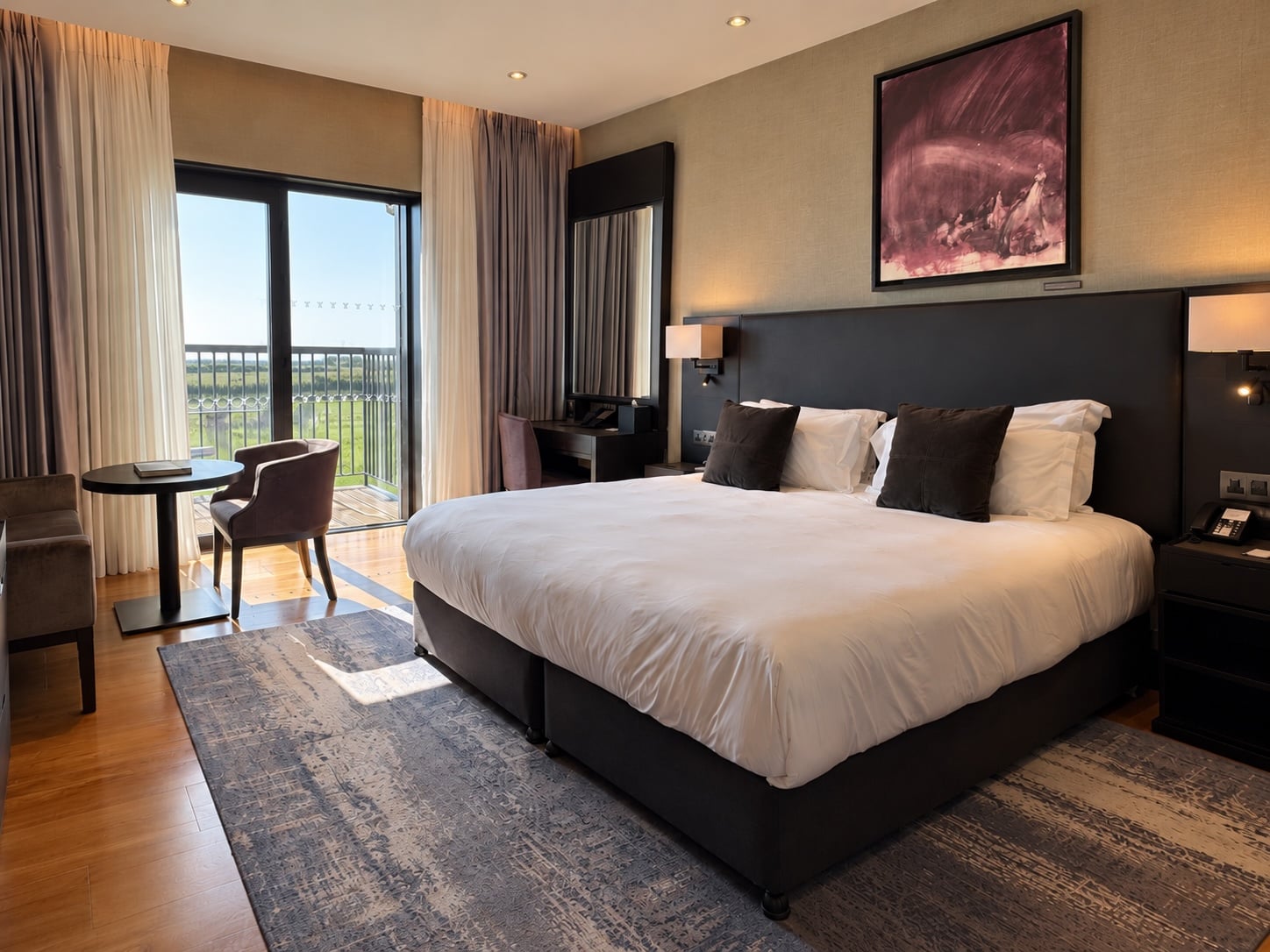
Twr y Felin has 39 rooms, including two suites, with contemporary design and subtle references to the surrounding Pembrokeshire landscape. Even the room names connect guests to nearby beaches, islands, headlands and Welsh history. The most unusual accommodation is the Tyddewi Suite, which incorporates part of the original windmill tower and its circular room. Tyddewi is the Welsh name for St. Davids.
My own favorite room feature was much simpler: the view. I stepped onto my balcony early in the morning to watch the sun rise over the distant water and countryside — one of those quiet travel moments I was glad I had gotten up early enough to see.
An expansion completed in 2021 added 20 bedrooms and more commissioned artwork, but the hotel still feels intimate rather than sprawling.
The Agenda
Twr y Felin makes an excellent base for exploring St. Davids, Britain’s smallest city, and the Pembrokeshire coast. I would start with St. Davids Cathedral, within walking distance of the hotel. The cathedral sits unexpectedly in a hollow below the city, and you do not fully appreciate its scale until you begin walking down toward it.
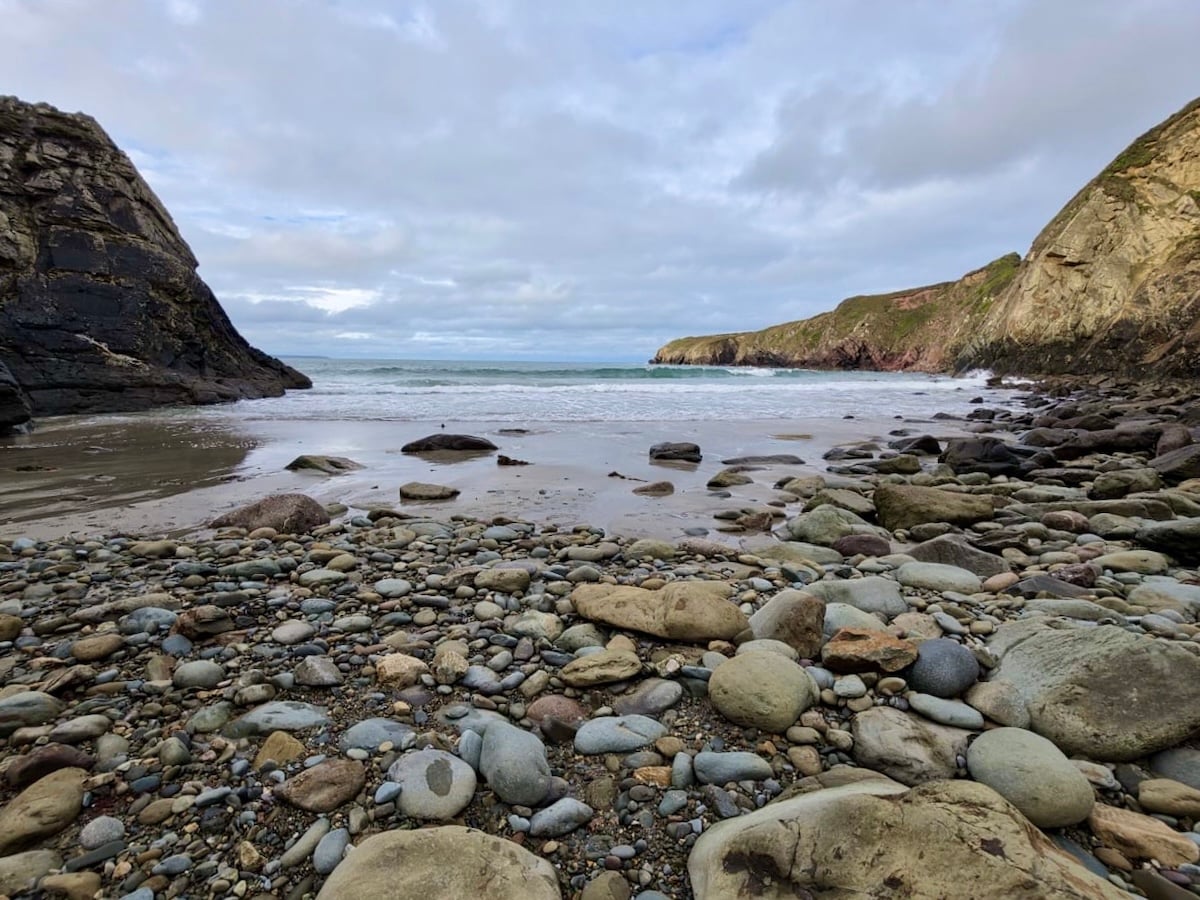
From there, the coast is the real draw. Guests can walk sections of the Pembrokeshire Coast Path, cycle quiet country lanes, kayak, take wildlife outings or explore nearby islands. The hotel can also arrange guided walks with pickup and drop-off.
Closer to town, Oriel y Parc Gallery and Visitor Centre is worth a stop, and St. Davids itself is easy to explore on foot, with galleries, shops and places for tea or lunch. For me, the appeal was the mix: coast in the morning, St. Davids in the afternoon, then back to the hotel for dinner at Blas or time in the spa.
The Eats
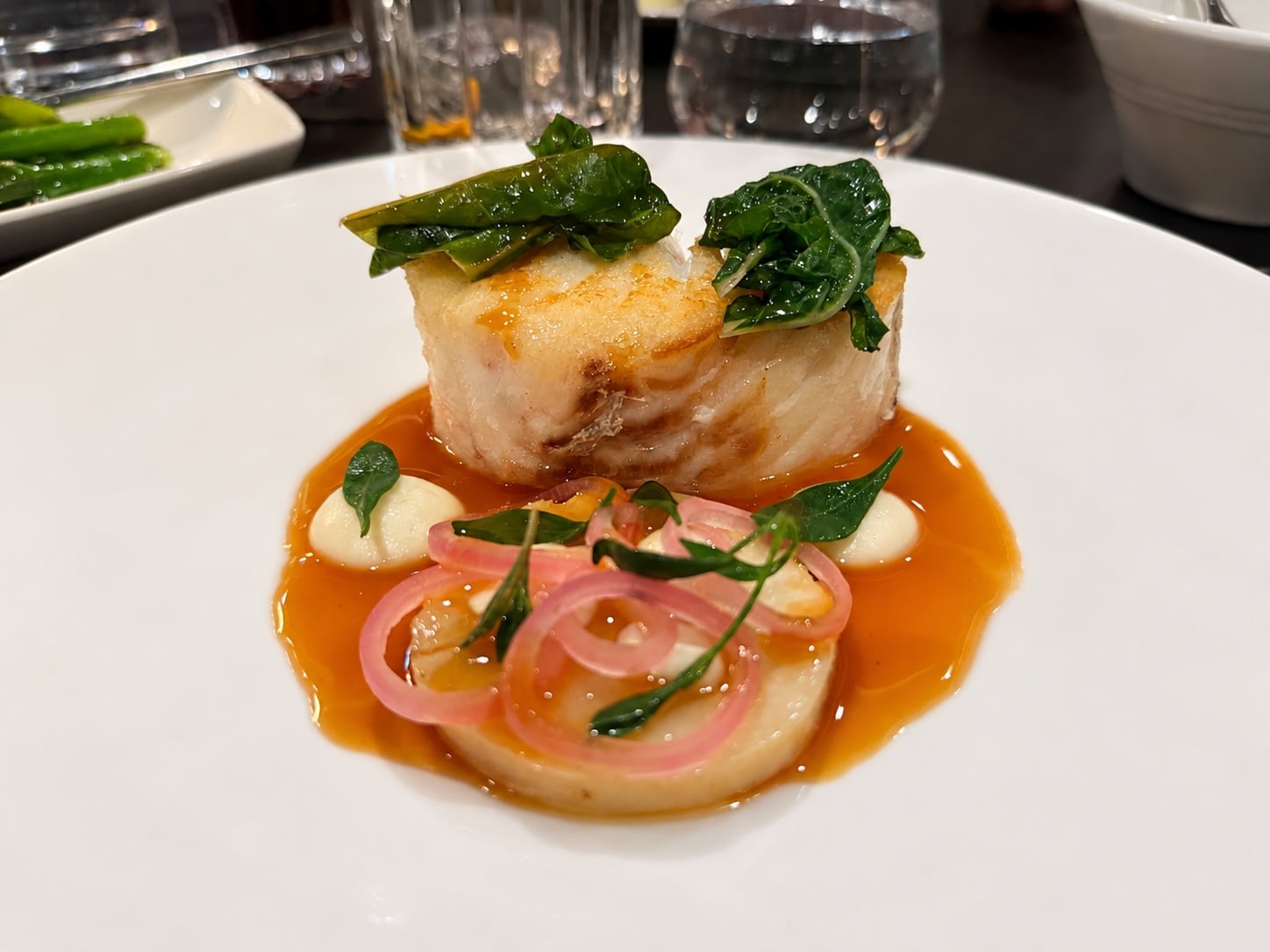
Dinner at Blas Restaurant was one of the highlights of my stay. Blas means “taste” in Welsh, and head chefs Gareth and Dan build their seasonal menus around ingredients from Pembrokeshire and elsewhere in Wales. I started with local Solva crab with green tomato, lime, chicken skin and bisque, followed by baked cod with celeriac fondant, horseradish gel, pickled shallot and chicken sauce. For dessert, we shared the vanilla rice pudding with apple and cinnamon compote and marzipan ice cream.
What I liked most was how connected the meal felt to the place. The local seafood and Welsh ingredients made dinner part of my Pembrokeshire experience, rather than simply a meal in an upscale hotel restaurant.
Why I Would Go Back
For more time. One night gave me just enough to realize how much I had missed. I would go back to explore more of St. Davids and the Pembrokeshire coast, linger over the hotel's art and learn more about the stories inside that old windmill tower. I would also happily return to Blas for another dinner — and wake early enough to catch another sunrise from my balcony.
Twr y Felin gave me the things I remember most in a hotel stay: a strong sense of place, a story I wanted to know more about and a reason to stay longer.
Sharon Kurtz


comments