

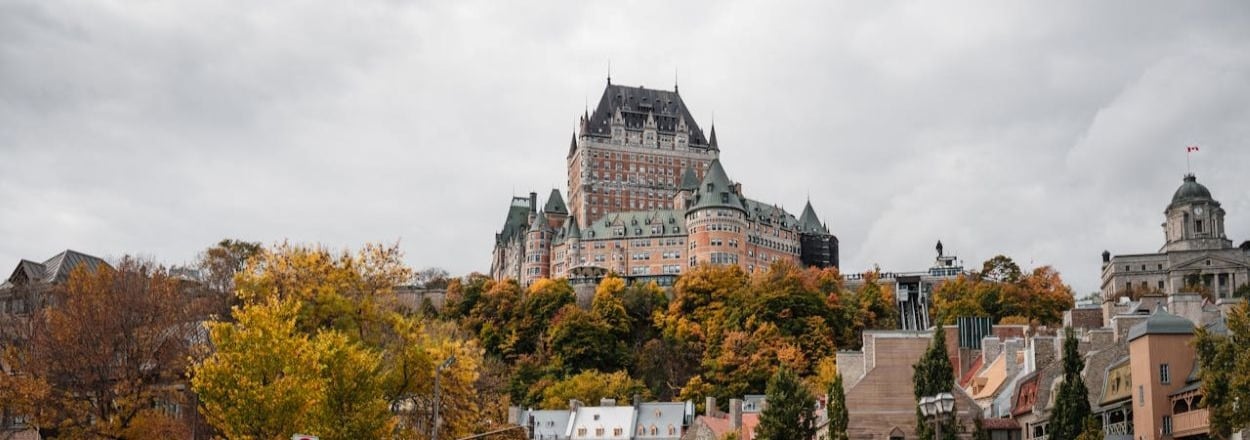
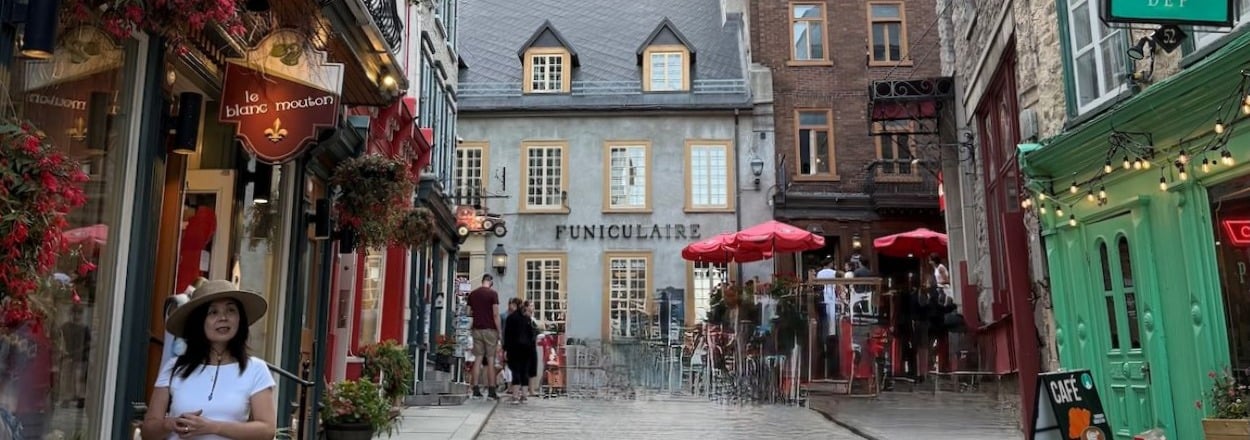
Travelers love Europe’s distinct personality and whimsical aesthetic, and a large part of what drives interest in the continent is that the atmosphere is nearly impossible to find anywhere else in the world. While that remains true, one Canadian destination, with its charming cobblestone streets and detailed architecture, may just be the next best thing. Keep reading to discover what Québec City has in store, including must-see spots and information vacationers should know before booking their trip.
Quick Facts
Required Documentation: U.S. travelers generally need a valid passport to visit Canada. Some documentation, like a NEXUS card or Enhanced Driver’s License, is an alternative form of accepted identification for those arriving by car.
Getting There: For convenience purposes, many vacationers opt to fly directly into the Québec City Jean Lesage International Airport (YQB). Visitors can also choose to land at the Montréal-Pierre Elliott Trudeau International Airport (YUL) before embarking on a train or bus ride into the Québec region.
Language: Québec City is in the French-speaking province of Québec, though visitors can still easily navigate the city with English as well. Pro tip: Locals do appreciate the extra effort to use French whenever possible!
Currency: The city operates on the Canadian dollar, but travelers may find that American currency is accepted by some businesses.
Weather: This destination boasts four distinct seasons, with winter temperatures dropping as cold as 20 degrees Fahrenheit and summer heating up to 80 degrees Fahrenheit. The weather has a reputation for changing day-to-day, so packing in layers is the most effective approach.
The Must-See Sights
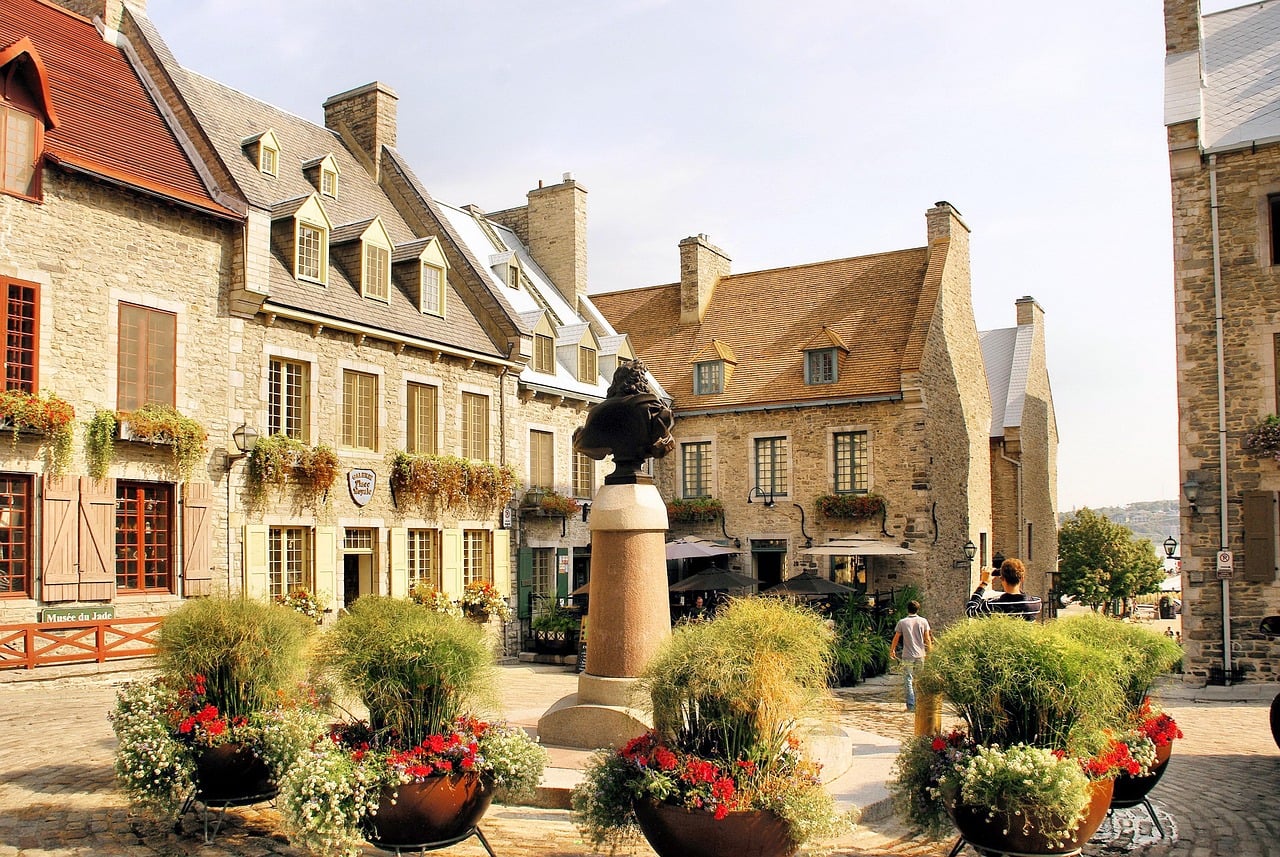
Much of what travelers will want to see and do is contained within the Old Québec district, as this UNESCO World Heritage Site is over 400 years old and brimming with history. While the area is extremely walkable, travelers should note that Old Québec is divided into an Upper Town and Lower Town, a distinction that can help better organize the order of their stops.
Starting off in Lower Town, the Petit-Champlain neighborhood is all picturesque pedestrian streets and French colonial architecture. Place Royale is one of the most notable landmarks in the immediate area, with the cobblestoned square marking the place where Samuel de Champlain founded the first permanent French settlement in 1608. Notre-Dame-des-Victoires, the oldest stone church built in North America, is also located in the square. Visitors who want to experience all facets of Lower Town should also head over to Petit-Champlain Street, a lively strip filled with local shops, craftsmen and restaurants. Whether it’s moccasins and jewelry or fresh-made fudge, the shopping street is the perfect place to grab a few souvenirs.
Once vacationers have had their fill exploring Lower Town, some quirky transportation can take them to their next adventure in Upper Town. One option is the Breakneck Steps, a 59-step staircase built in 1635 that connects the two neighborhoods. They are considered steep, so travelers should come prepared with their walking shoes if they choose this route. Alternatively, the Old Québec Funicular offers a more scenic approach to moving between the two areas of the city. It’s over 140 years old, though modifications have transformed it into a more modernized experience.
After arriving at the Dufferin Terrace via funicular, travelers are now in Upper Town territory. The terrace is another noteworthy attraction, especially for those interested in a scenic lookout. The wooden boardwalk runs parallel to the St. Lawrence River, offering views of the glistening water and the surrounding area.
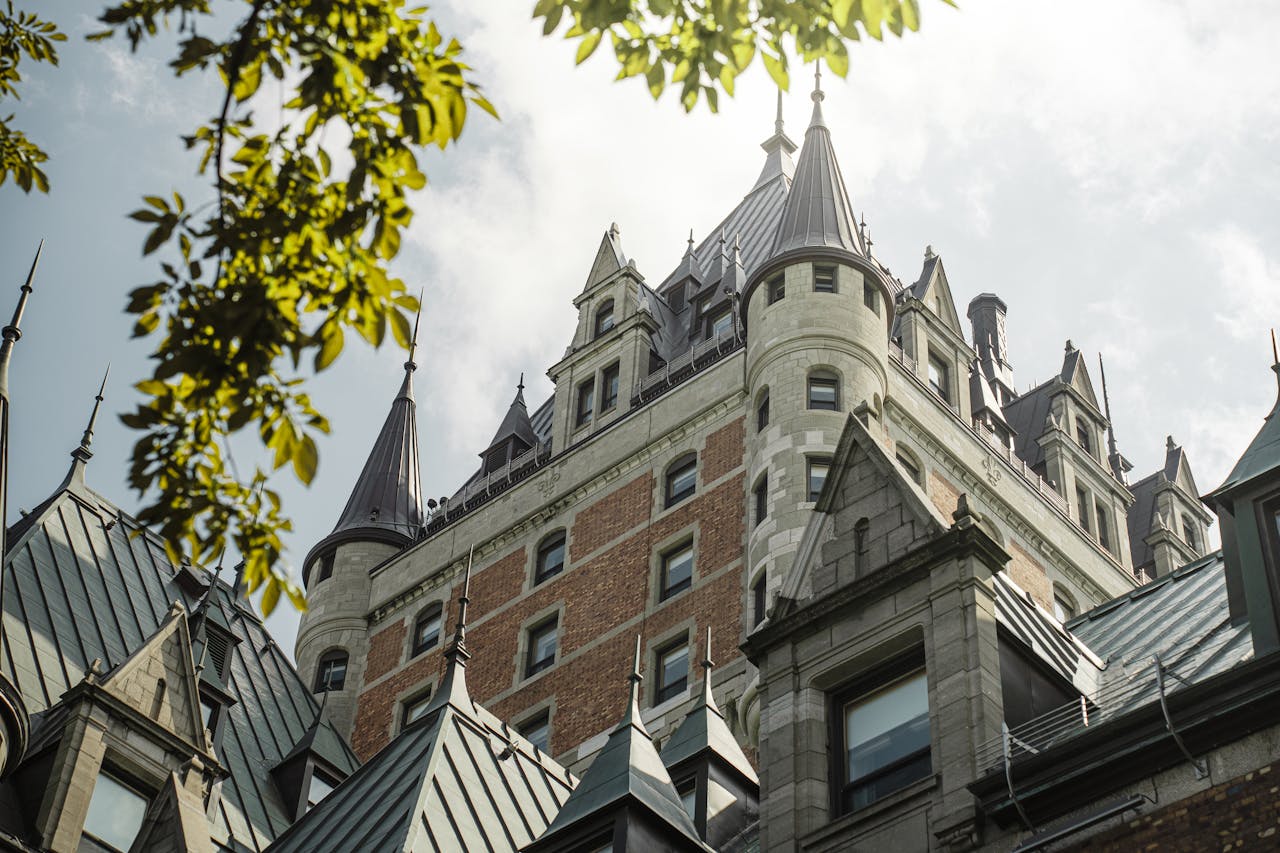
Perhaps, though, the more impressive site is Château Frontenac, a luxury hotel built in 1893. It’s everything one would expect from a ritzy accommodation, including a dramatic silhouette swirling with romantic touches. Château Frontenac is thought to be one of the most photographed hotels in the world, and travelers can experience the grandeur for themselves either by booking an overnight stay or dining at one of the property’s restaurants.
In all the beauty of Château Frontenac, visitors shouldn’t overlook the Notre-Dame-de-Quebec Cathedral-Basilica, another UNESCO World Heritage Site. It served as the first Catholic parish in North America since 1664 and prevailed through years of religious hardship and uncertainty. The basilica is invaluable to the city and its history, and travelers can learn more about it by booking a tour in the summer season.
Much of how vacationers experience Old Québec is tied to the city’s famous landmarks, though activities like a boat tour along the river, a bike ride through the Promenade Samuel-De Champlain or a food tour around the neighborhoods are great ways to balance out the sightseeing.
Hidden Gems
Travelers love a good off-the-beaten-path attraction to make a vacation feel especially authentic, and there’s no shortage of them here.
For instance, Québec City is a designated UNESCO City of Literature, recognized for its excellence in writing and publishing. Places like the Morrin Centre, which was first built over 200 years ago as the city’s first prison but now stores a stunning library, embody that designation by acting as an English-language cultural center. Similarly, Maison de la Littérature also holds great significance, serving as a library dedicated to Québec literature with frequent readings and worktables to encourage writing. Of course, these landmarks are undoubtedly exquisite with their gilded rows of books and ornate architectural detailing, but they’re also an underrated approach to learning about Québec City’s history.
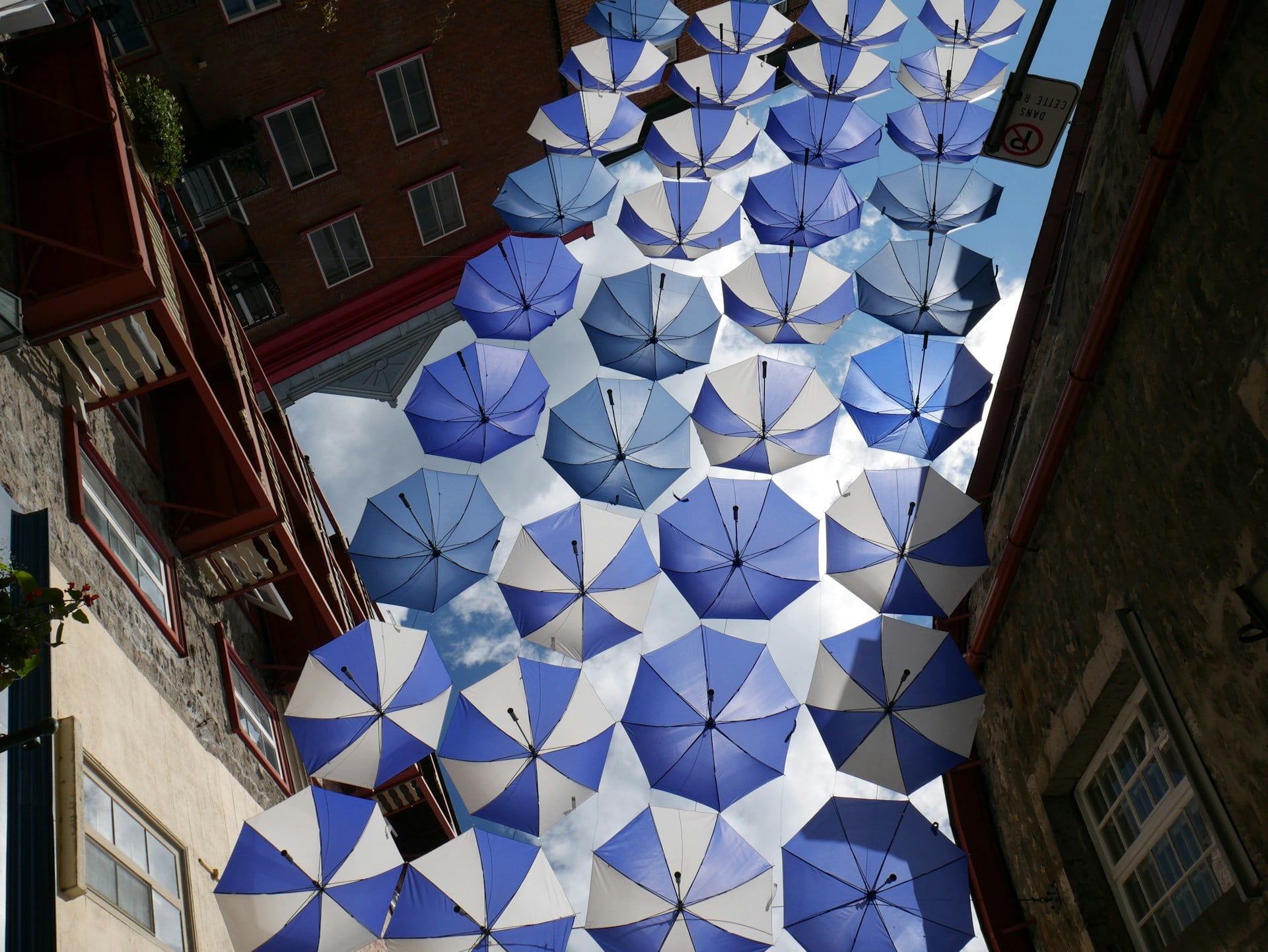
Other hidden gems include Rue Sainte-Ursule and Rue du Cul-de-Sac. The former is an adorable street lined with historic buildings and small businesses, ideal for a leisurely stroll, while the latter features Umbrella Alley, an installation with blue and white umbrellas poised above the walkways. Both streets are nothing short of magical, exuding a fairy tale-esque charisma.
With history tucked around every corner, Québec City is a stimulating city both mentally and physically. It’s for that reason that travelers should find time to visit Baie de Beauport, a beach located five minutes from downtown. The sandy shores make it a great spot to unwind, whether that means hunkering down with a good book or getting out on the water with some swimming and paddleboarding.
About the Author




comments