

What I've learned, sometimes the hard way, about cruises, safaris, road trips and the families who trust you to get them right is that every family trip carries more weight than the client tells you upfront. Sometimes it’s the last big trip a grandparent will take or it’s the first time a child sees another country. Sometimes it’s the trip a family needed to heal something. When I remember that, I ask better questions, I listen longer and I stop selling itineraries. I start building memories.
I used to think selling family travel meant knowing the best resorts and getting the rooms right. Then I booked a multigenerational safari where no one thought of asking about the grandfather’s knee. Or the time a family’s “dream road trip” unraveled because I hadn’t built in a single buffer day. Experience is a tough teacher, but here’s what it taught me.
Cruising: The Platform, Not the Product
A ship, it’s a destination, it’s an all-inclusive that unpacks once. That’s the reframe that changed how I sell cruises, and the moment a client hears it that way, the objections just melt. One bag, one check-in and a new port every morning.
The Thanksgiving pitch. What does Thanksgiving require of a family? Someone hosts, someone cooks for 12 or more guests and everyone fights over who cleans up. Someone has to fly home to sleep on a pull-out sofa. Offer them this instead: the whole family in adjoining staterooms, a full Thanksgiving dinner they didn’t cook, a different port to wake up to on Friday with breakfast already prepared and a holiday where no one has to clean up! The families I’ve moved into holiday cruising rarely go back to hosting.
Christmas market river cruises are equally compelling for mixed-age groups. Rhine and Danube sailings during the market season give grandparents the magic without the brutal walking, parents get the culture and cuisine they crave and children are living their advent calendars. River ships, typically 150 to 200 guests, feel boutique and never overwhelming so the family stays together rather than each generation retreating to separate pools on a mega-ship.

What I Wish I’d Known Earlier
Pitch the cruise to the person who will feel the most relief. In most families I’ve worked with, that’s the mother, not because she’s in charge (although she often is) but because she’s usually the one who has been managing all the invisible logistics. She’s not buying a holiday; she is buying the version where someone else is the logistics director for 10 days and she can just enjoy time with her family.
Safaris: The Great Equalizer
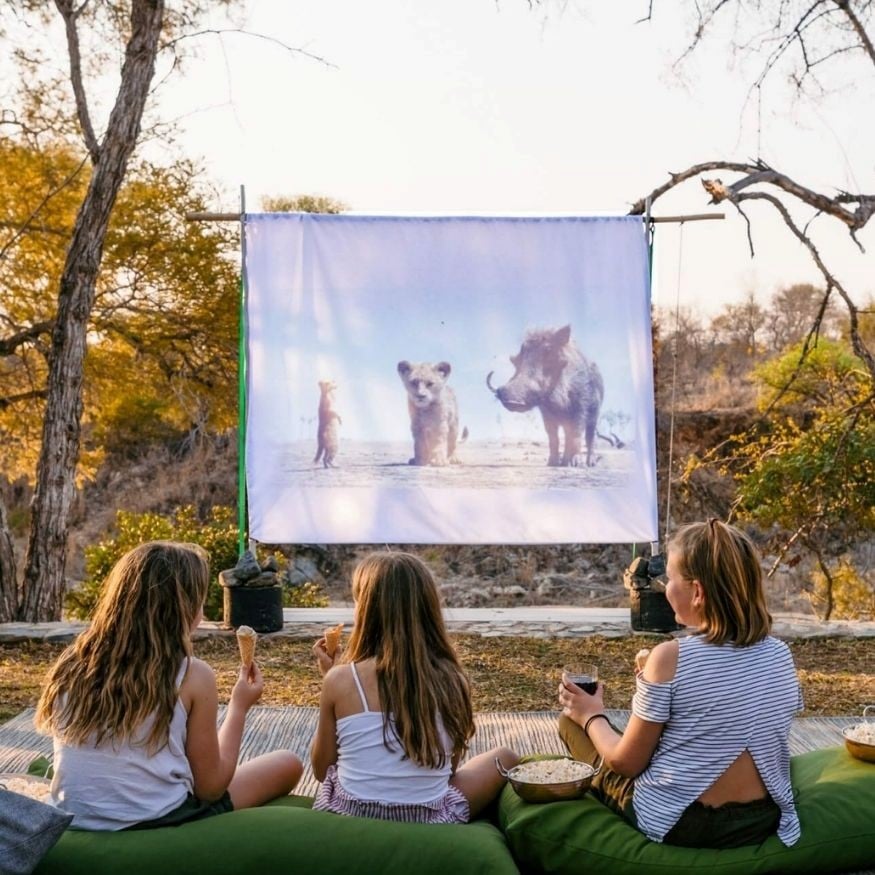
A Safari is one of the few trips where a seven-year-old and a 74-year-old are genuinely, equally riveted, staring out the same vehicle window in silence as a lion walks six feet away. I’ve never seen a family not bonded by that moment. It’s the trip that earns you a client for life. For multigenerational groups, I now steer almost every family toward private vehicle game drives. No sharing with strangers and no compromising the pace for someone else’s kids. The guide arranges everything specific to the family’s needs. Yes, it costs more. But the number of referrals I’ve received after private safari bookings versus shared vehicles is not even close.
A Strategy Worth Stealing
For large multigenerational groups, the secret is finding a camp that offers freedom within togetherness. Grandparents could stay at the lodge, sundowner gin and tonic in hand, watching the bush from the deck while the younger ones head out on the game drive. But come nightfall, everyone is back around the same bonfire. Grandparents hear about the lion sighting with the same wide eyes as the seven-year-old telling the story. That's the moment. That shared ending to a day lived differently by everyone is what makes safari the unbeatable multigenerational trip. No resort on earth replicates it.
One practical note I learned quickly is that age minimums vary enormously between camps and should be confirmed before a client falls in love with a property you can’t deliver. Many premier lodges in Kenya and Tanzania set minimums between eight and 12. Build your own vetted family shortlist, camps where you know multigenerational groups consistently thrive, and lead with those.
Road Trips: Curation Over Directions
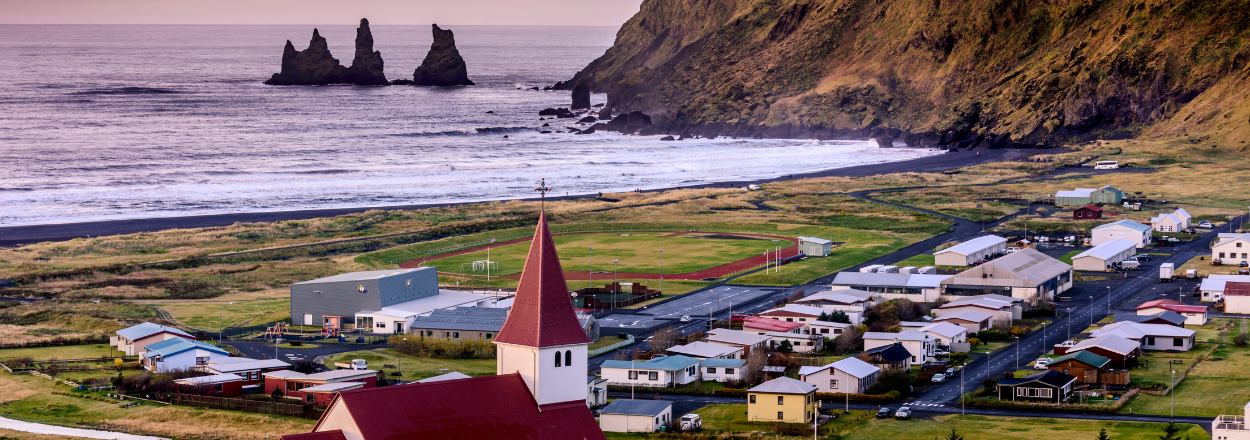
Families can Google a road trip. What they cannot Google is your judgment, your supplier relationships and your ability to save them from the version where they’re stuck in a roadside motel because no one booked ahead during peak season. That’s where a travel advisor’s value lies. The way I now sell premium road trips whether by train or car, is as a structured arc: Iceland’s Ring Road, the Scottish Highlands, Patagonia, the American National Parks circuit … every property is pre-booked with the buffer days built in. The one dinner reservation at the chef’s table in the middle of nowhere that doesn’t appear on any website or the private ranger-led hike I arranged through a contact is an advisor’s fingerprint on a road trip, and clients feel it.
Family event road trips, reunion routes, milestone birthdays and anniversary journeys are among the most emotionally high-stakes bookings you’ll handle. A small gesture at the first property (a custom welcome kit, a handwritten note) sets the tone for the whole trip. A surprise experience on day three cements the memory. These clients will refer everyone they know.

The Hard Lessons: 3 Mistakes I’ve Seen (and Made)
- Booking for who the family was, not who they are now: A family that loved a Disney cruise when the kids were eight is not the same family when the kids turn 14 or 16. I stopped assuming and started asking. A simple “how has the family changed since they last traveled together?” has opened up entirely new itineraries, and upsells, I would never have reached otherwise.
- Skipping the multigenerational logistics audit: Three generations means three different mobility levels, sleep schedules, dietary needs and risk tolerances. The safari vehicle that can’t accommodate a wheelchair or the port a grandparent can’t manage. I now do a full “travel audit” for every member of a multigenerational group before a single quote goes out. It takes 20 minutes and has saved me from more disasters than I can count.
- Treating travel insurance as a footnote: Family travel, especially with elderly grandparents, carries genuine medical risk. One health event on safari or mid-Atlantic without proper evacuation coverage can be financially catastrophic. Travel insurance is now a non-negotiable line item I discuss with the same seriousness as the itinerary itself.
About the Author



Becky H | 03/22/26 - 02:12 PM
Great article that is in your question line up for your logistics audit for multi generational trips?
| reply ⋯