

Smaller crowds, lower prices, real moments … There are benefits to straying from the well-trodden tourist path, and vacationers want in. While uber-popular destinations and attractions remain high on many travel wish lists, recent trends point toward vacationers’ emerging desire for more authentic and meaningful experiences while on the road — and deviating from the tourism mainstream might be just the ticket to making those moments happen. Backing these claims is data from trusted travel brands, including Expedia. After analyzing first-party insights from 24,000 travelers worldwide, the company predicted this year will be all about experiential travel that blends culture and exploration in its Unpack ’26: The Trends in Travel report.
This is good news for travel advisors. Whether it means securing tickets for large-scale events or planning transformational journeys that go beyond cookie-cutter itineraries, there are many ways they can help their clients tick that coveted experiential box. Add an “underrated” destination into the mix, and advisors are well on their way to curating the type of authentic adventure travelers are dreaming about.
It pays to get off the beaten travel path; here are three underrated destinations that offer vacationers new adventures.
‘Greece 2.0’, An Authentic Approach to a Classic Destination
The blue domes of Santorini, the legendary party beaches of Mykonos, sparkling Mediterranean waters … there's a certain image that comes to mind when one pictures Greece. And while “Greece 1.0” as Athena Petrou, owner of GMH Travel Agency, has dubbed the destinations that act as most people’s intro to the country, has a time and place, she says “Greece 2.0” is having a moment. “As travelers become more seasoned, I’m seeing a major shift toward what I call ‘Greece 2.0’ — the desire to move beyond the postcard-famous islands and experience the authentic, lesser-known side of Greece,” said Petrou.
With 227 islands to explore, saying travelers are doing themselves a disservice when they limit their visit to Greece’s most popular locales is an understatement. Instead, Petrou shared Greece 2.0 itineraries allow visitors to step into the “real Greece,” which she says, is “where the magic happens.” For example, beach lovers will find the country’s less-visited islands offer sprawling stretches of sand, bright turquoise waters and secluded coves. Beyond the coastline, Petrou says Greece 2.0 boasts boutique, family-run accommodations, traditional, “down-to-Earth” food, time-honored cultural traditions and “a slower, more soulful rhythm.”
When asked to name her favorite underrated islands, Petrou said it’s hard to choose as each has its own personality, but three itineraries stand out as the ones she recommends most to clients: Paros and Antiparos; Milos; and Skiathos and Skopelos.
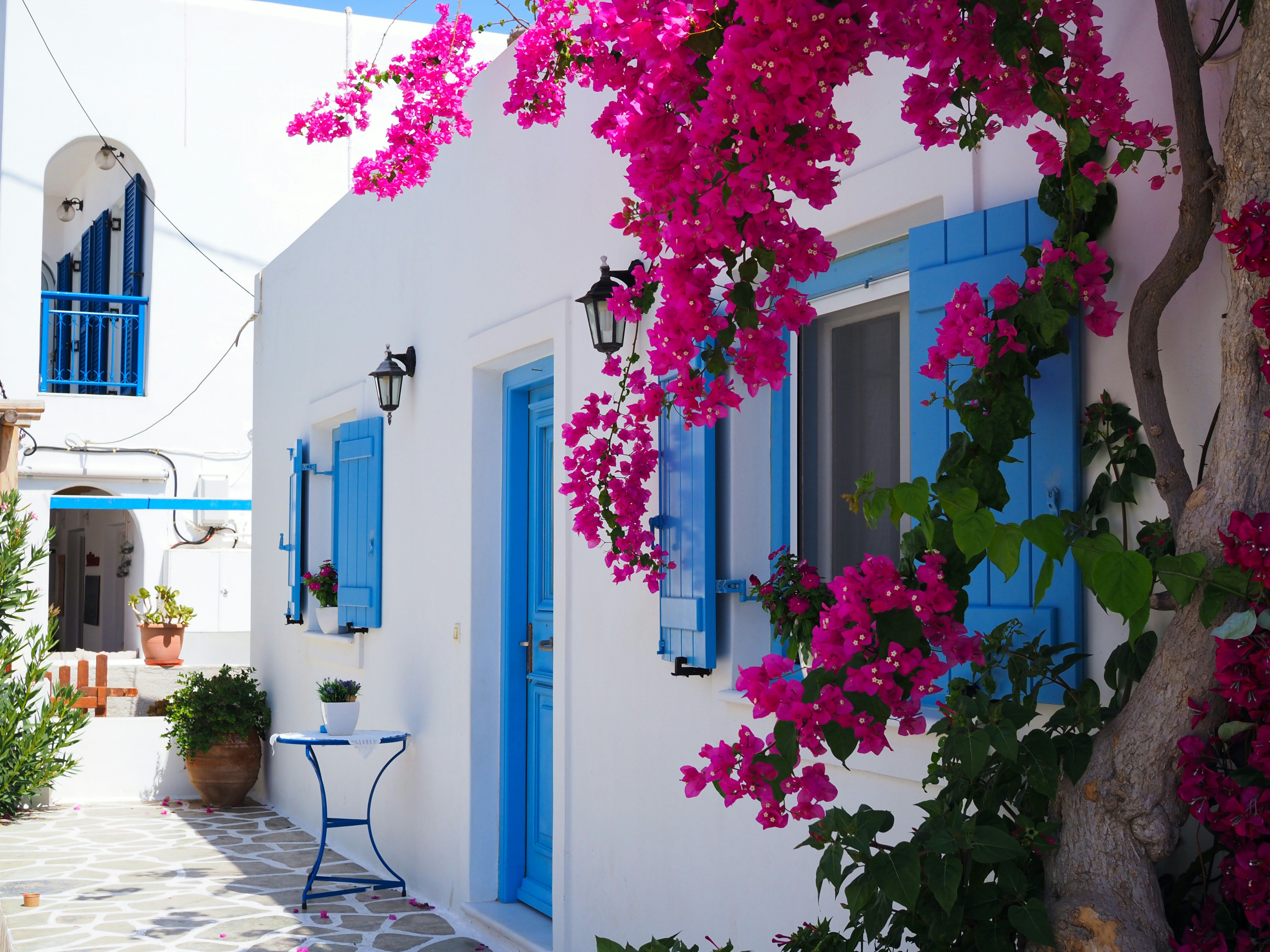
“Paros gives you everything people dream of when they picture Greece: whitewashed villages, amazing beaches, chic-but-relaxed restaurants, and that perfect balance of energy without the chaos. Naoussa at night feels magical, and Lefkes is one of my favorite traditional villages,” she said. “Right next door, Antiparos is quieter and more artsy — great for hidden coves, sea caves, and long lunches by the water.”
Milos is all about amazing beaches and dramatic landscapes, according to Petrou. “Its coastline looks like nowhere else in Greece,” she said. “Add in colorful fishing villages like Klima and warm, down-to-earth hospitality, and it becomes the perfect island for travelers who want striking scenery and something a little different.”
Finally, Skiathos and Skopelos are the move for fans of Mamma Mia!. “These sister islands are perfect for travelers who want that lush, romantic, movie-like version of Greece,” said Petrou.
For advisors who want to sell Greece 2.0, Petrou says the key is to lean into authenticity. “The demand is there, and travelers want to feel something real. When we curate thoughtfully, we’re not just booking a vacation — we’re giving clients a Greece they never imagined they could access and that they will never forget.”
Calgary, Alberta, The Hospitable Wild West
Recognized as one of the world’s friendliest cities and the third-most diverse city in Canada, Calgary, Alberta, knows how to roll out the red carpet for visitors. “I take great pride in how warmly we receive visitors,” said Aviva Kohen, travel media manager for Tourism Calgary. “From the moment they arrive and are greeted by our iconic White Hat volunteers at the airport, to the front-line teams at hotels, attractions, and restaurants who make guests feel genuinely at home.”
A nod to the region’s western roots, the “White Hat” Kohen is referring to is the iconic white Smithbilt cowboy hat that, when donned or given, acts as a symbol of Calgary’s commitment to hospitality.
Speaking of western roots, no event better encapsulates the Blue Sky City’s Wild West spirit than Calgary Stampede, an annual festival dating back over 100 years, when settlers and Indigenous peoples gathered to exchange knowledge and culture. While the Stampede looks different today, it remains a community staple and has grown to welcome over one million visitors each year.

“Known as ‘The Greatest Outdoor Show on Earth,’ the Calgary Stampede is unlike any other annual festival in the world,” said Kohen. “Where else can you start your day with free pancakes, rodeo clowns, and swing dancing in the streets, spend the afternoon cheering alongside thousands of fans at a world-class outdoor rodeo, and end the night dancing in your cowboy boots to top musical artists…finished off with a spectacular fireworks show?”
While the cowboy-inspired days of early summer are a fantastic time to visit, Calgary has many festivals for travelers to enjoy. “In February, annual winter festival Chinook Blast transforms part of the downtown for three weeks with dynamic light displays, art installations, music, and outdoor winter activities like ice biking and crokicurl,” said Kohen. “In late July, the Calgary Folk Music Festival takes over the picturesque Prince’s Island Park and is a highlight of the summer festival season. Late summer also brings BUMP (Beltline Urban Murals Project), an annual street art festival featuring live music, local food trucks, and graffiti jams. For food lovers, Brewery & The Beast is a must, celebrating Calgary’s craft breweries and the creative ways local chefs showcase our renowned Alberta beef.”
Calgary is also home to several Indigenous communities, and visitors can connect with them in various ways. “Calgary has many authentic Indigenous learning experiences for visitors to the destination,” said Kohen. “These include an urban Indigenous art walk with Zuc’min Guiding, fly fishing lesson along the glacier-fed Bow River with Drift Out West, archery with National champion archers at Painted Warriors, or making Indigenous beadwork or fishscale art with Moonstone Creations.”
Fukuoka, Japan, A Vibrant City With Historic Heart
When asked to describe Fukuoka in one word, Yuichi Yokoyama, director of the tourism marketing division for Fukuoka City, chose “vibrant.” Beloved for its colorful cityscape and warm, open-minded residents, Yokoyama says Fukuoka is a destination that seamlessly blends centuries-old heritage, a forward-thinking, creative spirit and the splendors of nature in a way travelers love.
Underrated compared to nearby tourist hubs like Tokyo, Kyoto and Osaka, Fukuoka is situated on the northern shore of Japan’s Kyushu island and offers plenty to entice visitors — no matter the season. “The city offers standout experiences year-round,” said Yokoyama. “In spring, the cherry blossoms frame the Fukuoka Castle Ruins creating one of the most iconic views, and summer brings the Hakata Gion Yamakasa Festival, a UNESCO Intangible Cultural Heritage event dating back over 700 years. In autumn, Ohori Park’s Japanese Garden glows with crimson foliage and art installations, while winter brings warm lights and local delicacies to festive Christmas markets.”
A quick day trip from historic Nagasaki and the scenic onsen towns of Beppu and Yufuin, Fukuoka acts as a worthy homebase for exploring other parts of Japan or a standalone vacation spot, depending on travelers’ preferences. Whatever they decide, Yokoyama says there are several attractions visitors won’t want to miss.
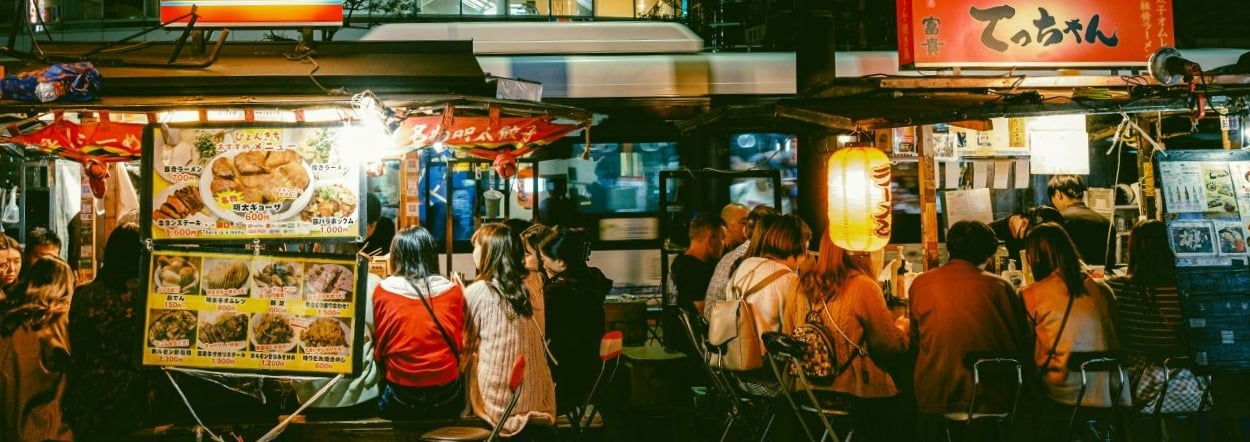
“Fukuoka is home to one of Japan’s most renowned yatai districts, where around 100 food stalls light up the city at night,” she said. “From classic dishes like ramen and oden to creative, original cuisine, visitors can enjoy not only the food but also lively interactions between locals and travelers.” Another noteworthy spot is Ohori Park & Fukuoka City Museum of Art which Yokoyama described as “An oasis of relaxation in the heart of the city, surrounded by water and greenery.”
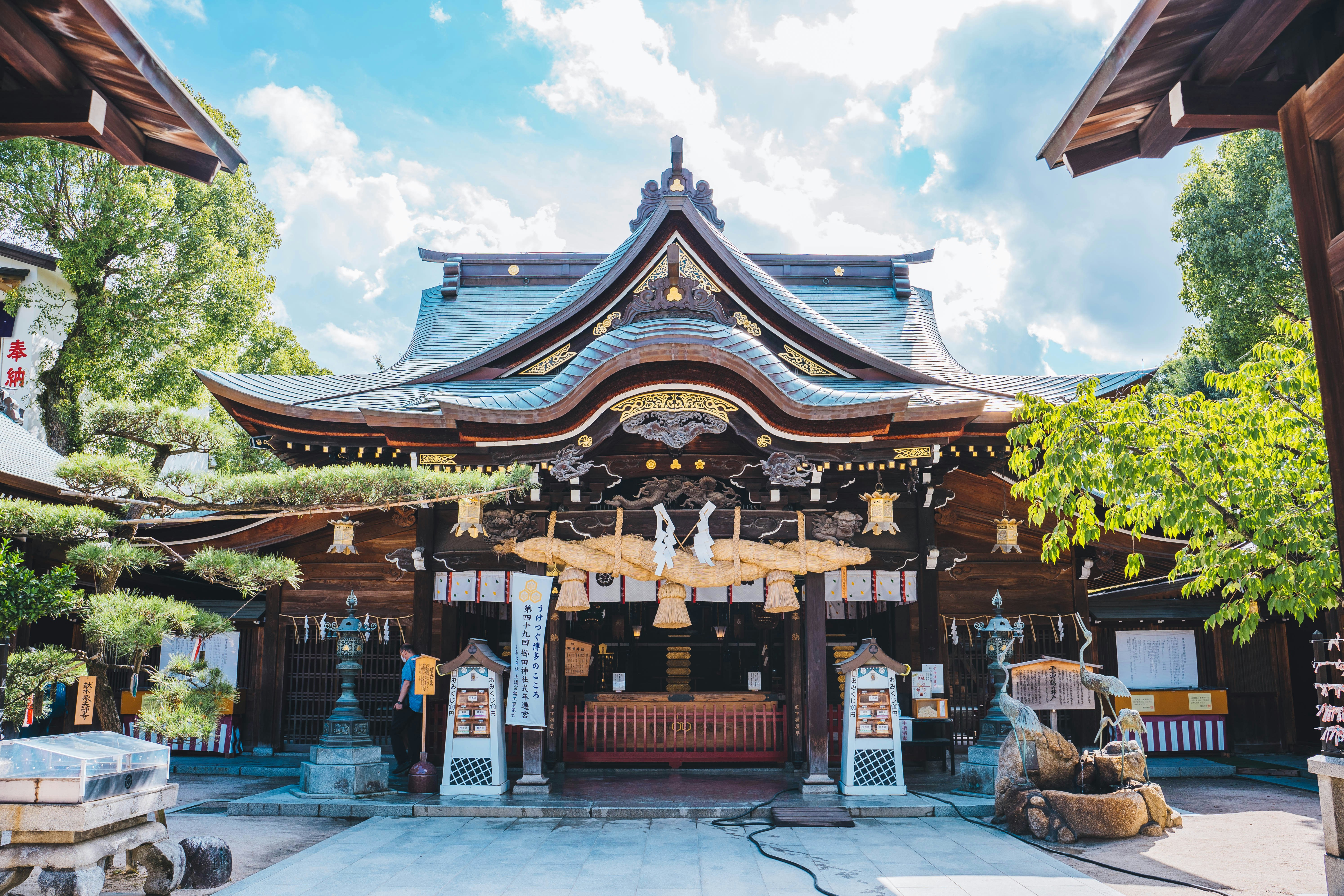
Finally, Hakata’s Old Town is another one of Yokoyama’s favorites. “In the city’s historic heart, Kushida Shrine stands as a symbol of Hakata’s enduring traditions that continues to bless visitors with prosperity and longevity, while anchoring beloved local customs such as the Yamakasa Festival.”
Another perk of Fukuoka is its size. “(Fukuoka is) highly walkable and easy to explore in a few days, yet it’s rich enough to be a standalone destination or base of a broader Kyushu adventure,” said Yokoyama. “It’s mix of culinary excellence, history, and modern attractions ensures every traveler finds something to love.”
Originally appeared in the Spring 2026 issue of The Compass magazine
About the Author




comments