

The word "sustainable" has been on travel brochures for so long it's started to lose its meaning. For many clients, the word evokes images of inflated price tags, "roughing it" in primitive lodges or receiving a lecture on their carbon footprint. Travel advisors should flip that narrative because, in 2026, sustainable tourism is among the most compelling and profitable segments of the travel market. Success lies in sophisticated positioning and the ability to distinguish authentic impact from greenwashed marketing campaigns.
Why Positioning Matters
Some sources estimate that the sustainable tourism market is valued at $2.3 trillion in 2026 and is on a trajectory to reach $17.8 trillion by 2036. While our clients may not be asking for "sustainable travel" by name, they are asking for meaningful and off-the-beaten-path experiences and they want the feeling that their travel dollars actually did some good in the world. Sustainable tourism gives advisors that edge, especially if they can back it up with real knowledge and vetted destinations.
Spot the Real Thing
This is where a travel advisor’s expertise becomes invaluable to clients. You need to be able to separate authentic sustainability from marketing fluff. Look for third-party certifications such as The Long Run, Rainforest Alliance or GSTC, not generic "eco-friendly" claims, and demand specific, named community programs with measurable outcomes rather than vague language about "supporting locals." With the EU's new anti-greenwashing regulations taking effect in late 2026 specifically targeting unsubstantiated sustainability claims, advisors who can verify the real thing will be the ones clients trust.
Africa: Thornybush Private Nature Reserve, South Africa
When advisors think Africa, the default conversation often drifts toward the well-worn safari routes. Masai Mara, Serengeti or broad-brush "Kruger." This is where you can differentiate yourself: Thornybush Private Nature Reserve is the conversation your clients should be having, as it checks every box a discerning safari enthusiast is looking for in 2026.
Situated in the Greater Kruger area of South Africa's Limpopo province, Thornybush is one of the original private nature reserves in the region, with its first commercial lodge opening in 1961. That longevity signals deep roots, not a company that discovered sustainability when it became fashionable.
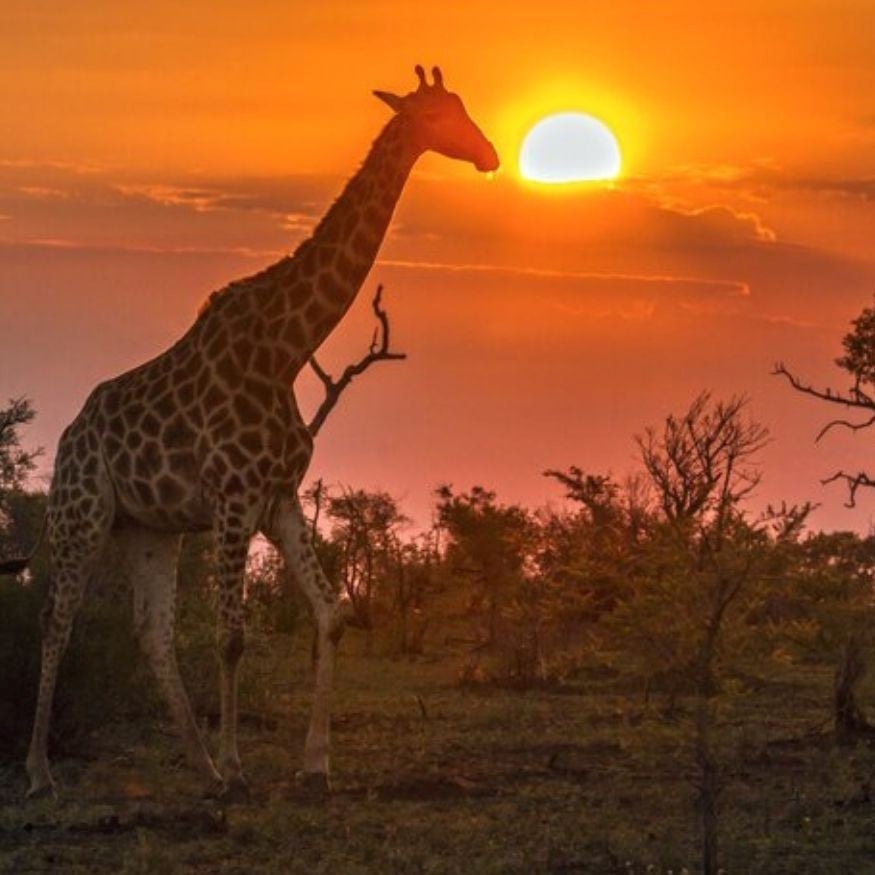
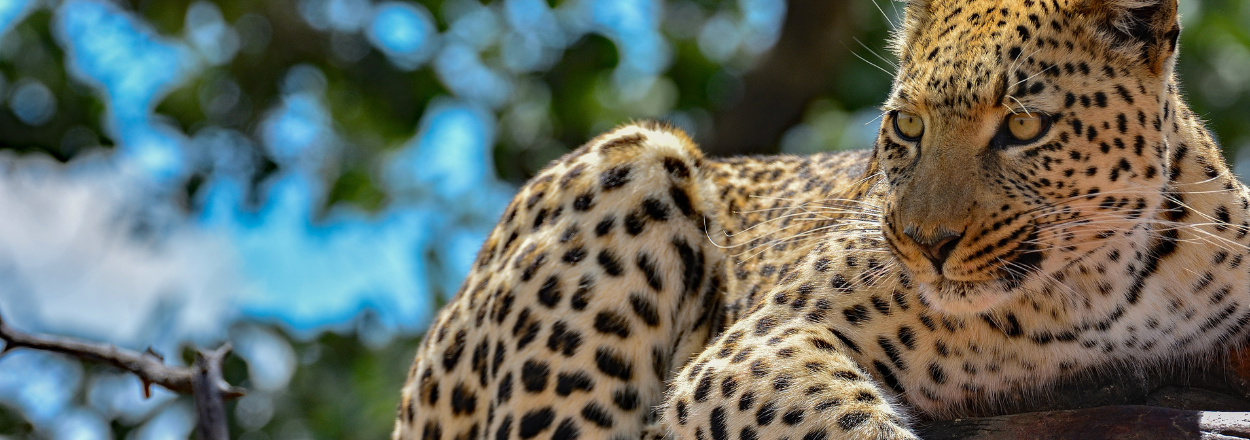
What makes Thornybush genuinely credible is its conservation legacy. The reserve was involved in the first-ever translocation of a mixed group of adult and juvenile elephants relocated from other areas of South Africa which was a groundbreaking initiative that underscored its commitment to sustainable wildlife management long before the industry catchphrase existed. On the community side, Thornybush established its registered non-profit, Thornybush Community, in 2005, specifically to empower and uplift neighboring communities like Uthla, Dixie and Acornhoek. Programs include community-owned agricultural businesses, food security initiatives, youth conservation education and sustainable procurement that keeps revenue circulating locally. The reserve has also been accepted as a member of The Long Run, a globally recognized community of nature-based tourism businesses committed to holistic sustainability.
For advisors’ clients, this translates to a luxury safari experience where game viewing is extraordinary. Thornybush shares an unfenced border with Kruger, meaning animals move freely, but where the story they come home with is richer than any photograph. They watched elephants at a waterhole knowing the reserve helped write the conservation playbook for keeping those animals safe. That is a powerful thing to sell.
Europe: Slovenia, the Green Capital
If advisors are still defaulting to Italy, Croatia or the Greek islands for their clients seeking something beautiful and uncrowded, it is time to add Slovenia to the portfolio. Not as a backup plan, but as a first recommendation.
Ljubljana, Slovenia's capital, holds the title of “Europe's Greenest Capital,” and it has earned it. The city operates extensive car-free zones, efficient recycling systems and has built an urban environment that genuinely demonstrates how modern European living and environmental stewardship can coexist beautifully. Ideal for the client who wants Paris-level charm without Paris-level crowds, and without the guilt of contributing to a city choking on overtourism, Ljubljana delivers.
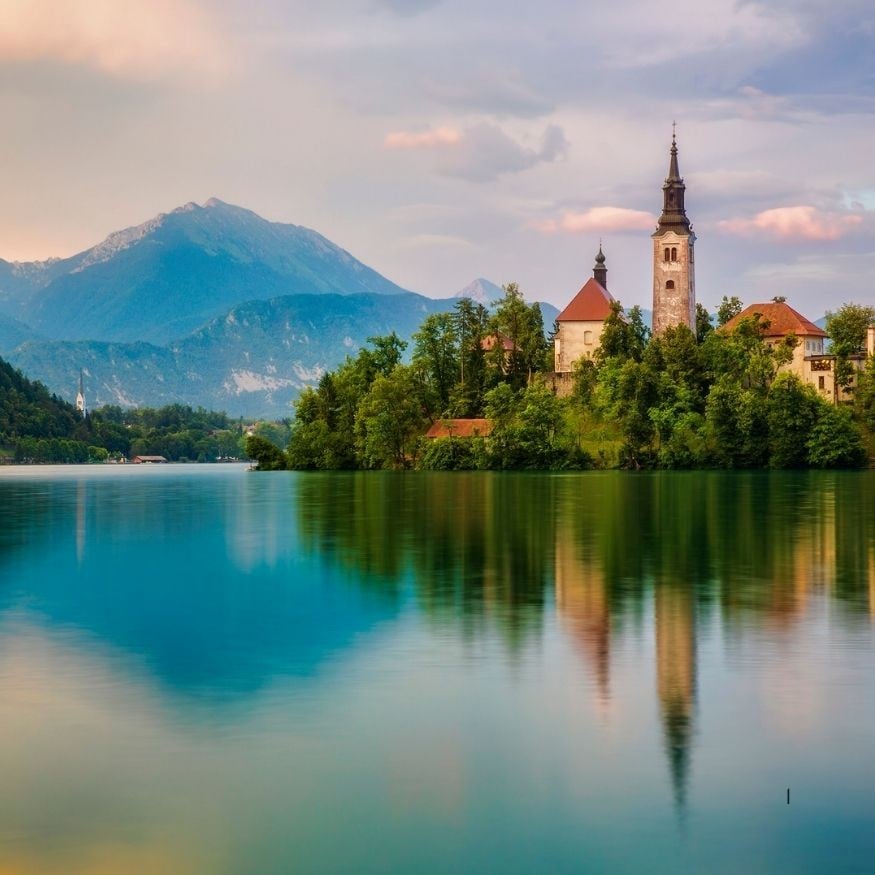
But Slovenia's sustainability story is not just urban. Triglav National Park offers world-class hiking in a protected alpine landscape. Lake Bled is a short drive from the capital and sits within a region where eco-farms, cycling routes and organic local cuisine form the backbone of the tourism experience. The country is compact enough to explore meaningfully in a week and varied enough so that no two itineraries need to look alike.
Slovenia is not yet overcrowded, which means advisors’ clients can have experiences that feel exclusive without the price tag of an exclusive destination. And because it pairs naturally with Croatia to the south or Austria to the north, it slots effortlessly into multi-destination European itineraries that showcase advisors’ expertise as a builder of journeys.
Three Marketing Strategies To Sell Sustainable Tourism Now
Knowing the destinations is half the work, here’s how advisors can turn knowledge into bookings.
- Lead with the experience, not the label: Clients do not book "sustainable travel,” they book a sunset game drive where their guide explains the pangolin study happening just beyond the tree line. Or a morning cycling tour through Ljubljana's car-free old town followed by lunch at a farm that supplies the city's restaurants. Position these as immersive, curated, meaningful journeys. The Message: "You aren't just visiting a destination; you are becoming part of a 60-year legacy of conservation.
- Use sustainability as a client segmentation tool: You already know which clients come to you wanting something different. The Millennial couple who mentioned they felt uneasy in Cancun or the Baby Boomer couple who said their last group tour felt "too rushed." The Gen Z solo traveler who wants adventure but specifically mentioned responsible tour operators. These are your sustainable travel clients. Bringing destinations like Thornybush or Slovenia into those conversations solves their concerns and it demonstrates a depth of knowledge that locks in their loyalty for every future trip. The Message: "In a world of greenwashed marketing, I vet the data so you can travel with a clear conscience.”
- Build content around the impact story: Sustainable destinations give you remarkable content to work with. "Your safari stay funded a school garden in Acornhoek South Africa” is a post that gets shared or "Ljubljana was just named Europe's Greenest Capital and here's why you should go before everyone else finds out" is a subject line that gets opened. The Message: "The world’s most beautiful places are closing their doors to the masses … here’s how you get on the guest list.” Position yourself as the advisor who finds the destinations that matter.
Sustainable tourism is here, growing rapidly and being driven by travelers who are increasingly skeptical of greenwashing and loyal to advisors who can guide them through it. Thornybush gives travelers Africa with a story that goes six decades deep. Slovenia gives them stunningly beautiful Europe without the crowds. Together, they represent exactly the kind of portfolio that can set an advisor apart.
About the Author



comments