

Every great creator, from chefs and authors to painters and musicians, knows the frustration of lapses in creative inspiration. Call it writer’s block or some other haunting phrase, the feeling remains the same: your work feels bleak, banal and unimaginative. We recognize there’s always a light at the end of the tunnel, but in the meantime, we drag our feet to start the next project, drop shoulders under the weight of our self-imposed pressure and dip heads in defeat.
For some, the usual remedies of strolling through a nearby park or succumbing to a quick doom scroll through social media can do the trick, albeit only temporarily. These solutions tend to be Band-Aid fixes rather than cures, and sometimes what creators truly need to overcome the creative hump is a fundamental change in their perspective.
By now, you’ve probably pieced together that the answer lies in travel, but its true impact on the brain is about more than a change in scenery. Think about those trippy ambiguous images that circulate online, the ones where you see either a duck or a rabbit, a young woman or an old one. Two people can look at the exact same image and see completely different things. No matter how hard you squint or what angle you hold your head, it’s impossible to see the other version until it’s drawn out for you. It clicks, and once you’ve seen it both ways, there’s no unseeing it. Your perception has permanently changed.
This is precisely what travel does for the creative mind. Rather than provide a source of temporary inspiration like other quick fixes, it rewires how you view your craft. A 2025 Psychology Today article explained this process, emphasizing that new destinations are mentally stimulating in ways that our home environments cannot be. By surrounding ourselves with different cultures, dormant synapses are activated in the brain, creating a growing toolbox of inspiration at the artist’s disposal. None of this is possible, however, without an open mind and some active reflection about your experiences along the way.
Embracing the Unfamiliar
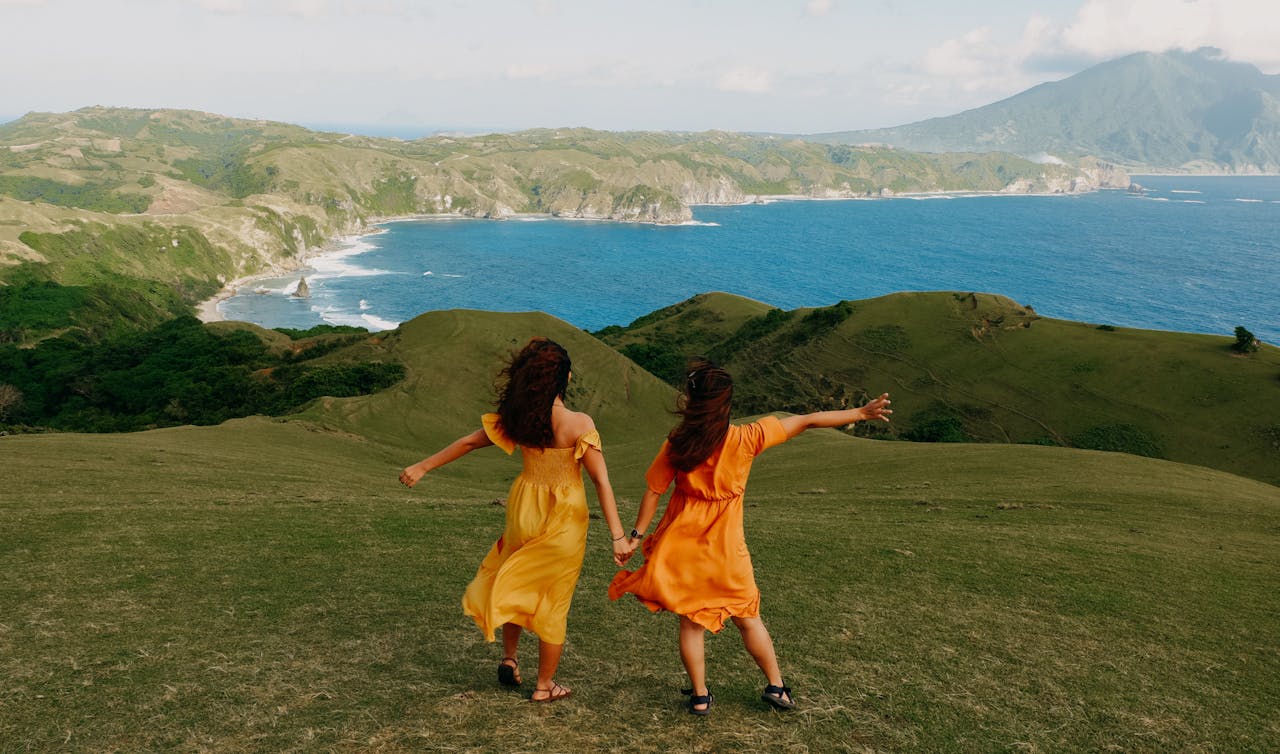
At first, the unique combination of sights, smells, colors, textures and flavors travelers encounter upon arrival can feel overwhelming, especially as visitors do their best to adjust to the culture shock and time changes through their jet-lagged haze. Once the initial adjustment passes, acknowledging your surroundings (and paying special attention to what the senses pick up) is an effective way to begin opening your creative lens.
Dining out at a local restaurant and taking note of particularly interesting flavor combinations, sitting at a dive bar and soaking up the live music layered with regional beats or even perusing a farmer’s market and running your fingers over a delicately woven scarf are a few ways travelers can more actively tune into their surroundings. It’s natural for visitors to want to hit the ground running when exploring a new destination, but creators will particularly find that slowing down and taking in the atmosphere will help them pick up on the finer details. Active processing of these moments will more thoroughly stimulate the mind, providing travelers with clearer sources of inspiration to pull from down the line.
Turning Experience Into Growth
Becoming more aware of your new environment is only step one in fueling the creative toolbox. In any area of life, one of the best ways to guarantee retention is through hands-on application, and this scenario is no different.
For writers, this might mean attending a poetry workshop in Ireland, where rolling green hills and ancient fortresses become more than scenery; they transform into a new horizon for your imagination, showing you how to think in myth and metaphor. For painters visiting the historic city of Athens, a Byzantine iconography workshop is deeper than just a new technique; it’s a refined visual approach rooted in centuries of tradition.

Even exploring art forms outside of your discipline can have a positive impact and shift your creative perception. A chef in a traditional Oaxacan weaving and natural dyeing class in Mexico will learn about the patience required to handle the fabric, a lesson that becomes evident in how they prepare their meals. A musician who takes a washi papermaking class in Japan may discover a new approach to layering and texturizing their music, embellishing their stanzas with bold patterns. These cross-disciplinary experiences further encourage creative breakthroughs, helping artists discover new depths to their capabilities.
Finding Your Creative Potential
Travel is an excellent tool for current creators and artists to find new sources of inspiration, but it can also be for those who don’t have a professional career in the field. Many of us had hobbies like painting or pottery at one point or another, and it’s easy to let those pieces of us atrophy as the demands of life take over. Reigniting your passion for an art form is an equally valid approach to travel, and one that reminds us we can again view life through a creative lens. Take the pottery course or sewing workshop, even if it feels uncomfortable. Travel is always presenting us with opportunities to push our boundaries and embrace the unknown, and growing within our artistic interests is one of the advantages.
So, whether you’re a seasoned creator on the cusp of breaking through a creative plateau or someone looking to reconnect with their long-lost love for the arts, travel is an overlooked remedy that provides more than temporary inspiration. Like the ambiguous images, once you know where to look, travel opens an imaginary lens that permanently influences your artistic toolkit. The workshops you participate in, the flavors you sample and the textures you grasp — they all merge into a richer, more nuanced perspective that follows you home long after you’ve unpacked.
The next time a silent stanza, empty plate or blank page stares back at you, remember that the cure might not be within immediate reach but rather in the yet-to-be-discovered streets of a new destination. Your next stroke of creative genius could just be a plane ride away.
Originally appeared in the Winter 2025 issue of The Compass magazine
About the Author


comments