


Travel is like a long-distance best friend. There’s history together, sometimes seeing each other in quick succession and other times going long stretches apart. That dynamic carries an inherent sense of familiarity and comfort, and when the opportunity arises to visit one another again, it’s exciting. But like any normal relationship, the inevitable lows creep up, bringing forth feelings of uncertainty, sadness or fear.
For many individuals, these big emotions are often a result of travel anxiety. It’s a dormant seed of doubt in all of us, waiting for the right trigger to set it off. Maybe it’s concerns about trip logistics or how vacationers will be perceived in a foreign destination — travel anxiety can stem from a variety of scenarios.
So, how does one know if what they’re experiencing is anxiety? Why does it exist in the first place? What can travelers do to mitigate it? Let’s explore what’s behind this increasingly common phenomenon and how advisors can help.
The Root Causes of Travel Anxiety
Unsurprisingly, anxiety looks different for everyone. As noted by an article on Talkspace, a virtual mental health platform, travelers can display internal or external symptoms. Physical reactions include insomnia, sweating, a racing heart or stomach problems, while mental and emotional symptoms range from overthinking and mood swings to cancelling plans as an avoidance tactic. It’s common for these pendulous shifts to occur when a trip is initially booked or as the departure date draws near; advisors should encourage their clients to check their emotions around these timeframes so that together, they can address these feelings early on.
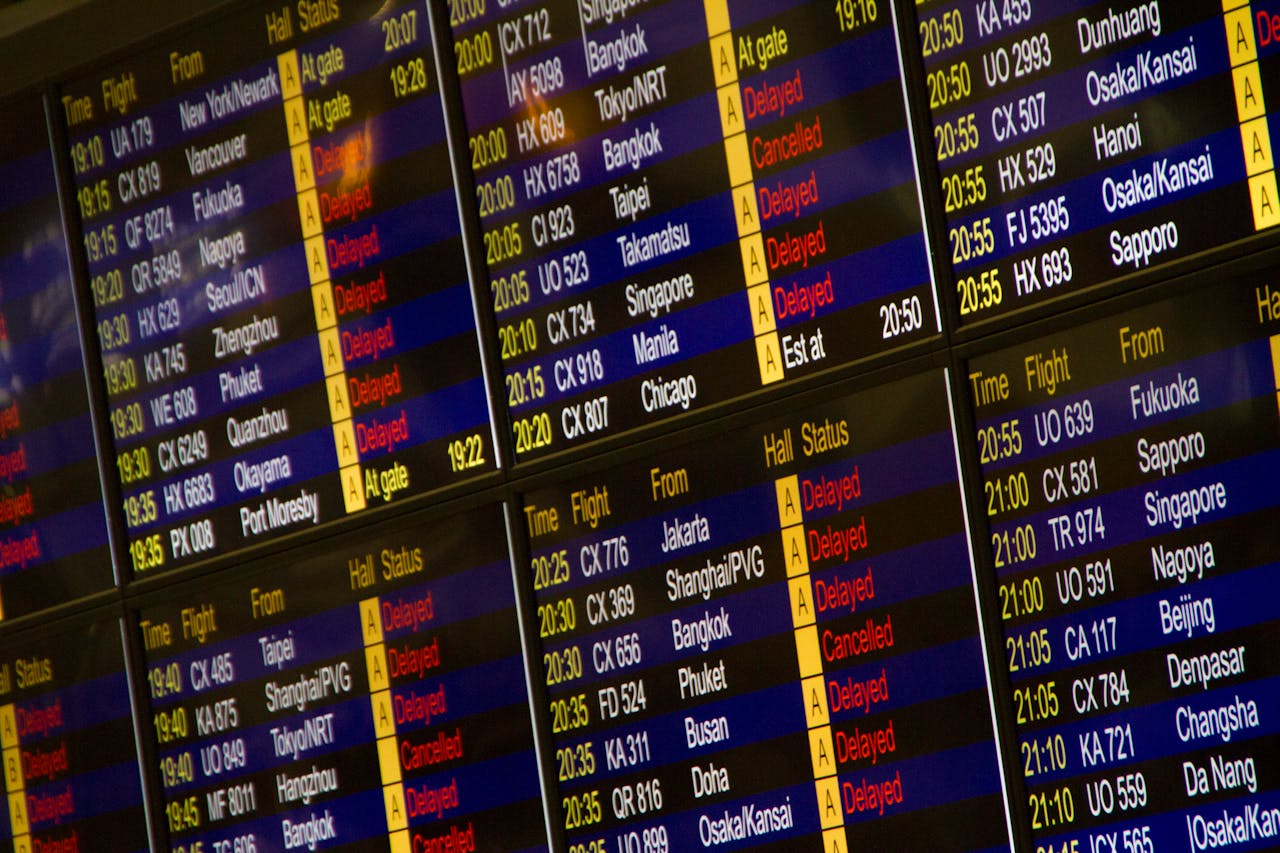
The situations that prompt travel anxiety are (frustratingly) not universal, though there are three main causes frequently cited by vacationers. Among the most common are delays and cancellations, which, according to Talker Research, a research organization and polling firm, were the primary source of anxiety for 42% of respondents in their 2025 survey. Getting sick before departure or experiencing flight disruptions from natural disasters, weather conditions and missed connections are examples of these types of incidents.
Beyond logistical hiccups, many vacationers heading abroad worry about how they’ll be perceived by locals. There’s a long-standing assumption that American travelers are loud, rude and largely unwanted in foreign destinations, and while that may still linger as a source of stress for some visitors, opinions about the U.S. government and policies are driving international hostility. It can be extremely nerve-wracking thinking about handling political confrontations or tense disagreements, especially when factors like language barriers, cultural norms and unfamiliar surroundings are thrown into the mix. Travelers may never find themselves in these uncomfortable situations, but the niggling thought of “What if?” is enough to spike feelings of anxiety and dread.
Compounding these concerns is a lack of preparedness. A survey from Babbel, a language learning subscription app, identified the following as related sources of anxiety: not knowing the language of a destination (32% of respondents), not having enough funds for the trip (30%) and not being in the desired physical shape (24%). Other factors like the inability to secure accommodations, missing information about safety measures and failing to book activities in advance also appeared in the results. Regardless of whether adventurers are going international or staying on home turf, there are a large number of trip factors to consider, and it’s easy for one or two to slip through the cracks. Deciphering which pieces of information are important and what tidbits are unnecessary can feel extremely overwhelming to clients.
How Advisors Can Be a Resource for Clients
For all the reasons a vacationer might feel anxiety, advisors are a key resource that can help eliminate those fears. As highly qualified and educated business professionals with the expertise to orchestrate seamless experiences, advisors can create a loyal customer base by going above and beyond to anticipate travelers’ needs.

In instances of trip delays, cancellations, injuries and sicknesses preventing travel, recommending insurance is invaluable for both vacationers’ wallets and their peace of mind. Advisors have strong knowledge of the various policies and companies available and can inform clients about areas they might want coverage. Travelers often find insurance intimidating, but with an advisor’s guidance and the right plan in place, they can ease the anxiety around extenuating circumstances coming to fruition.
Aside from the education travel pros gain through certification courses, they also possess firsthand knowledge about the destinations they sell. Oftentimes, advisors visit a place more than once throughout their career, experiencing the destination as both a consumer and a businessperson. This equips them with a far more nuanced understanding of a location, which can in turn be used to prep clients. American travelers worried about fitting in and navigating interpersonal encounters should feel comfortable enough to express their concerns with their advisor, where the travel pro can then outline some helpful dos and don’ts for handling cultural clashes. Advisors may not be able to control how their travelers will be perceived abroad, but they can prepare their clients beforehand to minimize the chances of uncomfortable confrontations.
This same depth of experience also extends to practical trip planning. Advisors are skilled in maximizing budgets, booking activities and tickets in advance and recommending appropriate accommodation options. Set clients up for a successful trip by assuring them the intricate details are taken care of and helping them to identify and work through any other potentially anxiety-inducing factors, like the language, currency and public transportation systems.
The bottom line for advisors, no matter the reason for their client’s anxiety, is that they already have the necessary tools and background knowledge to help travelers manage it —but the distinction between a good travel professional and a great one, is how they leverage those skills. Vacationers will remember the small moments when their advisor went the extra mile to help them, so don’t overlook the opportunity to get to know all aspects of a client’s personality and their concerns during the planning process.

Strategies Advisors Can Recommend to The Anxious Client
When evaluating the sources of travel stress, many of them boil down to the fear of the unknown and stem from a subconscious stream of self-doubt. If individuals lack confidence in themselves and their problem-solving abilities, being confronted with challenging situations while traveling is daunting and can quickly spoil the fun. One of the best ways advisors can manage their clients’ negative self-talk is to help them build confidence in small doses; try suggesting they plan a night out in the next town over, sign up for volunteer work solo or visit a new restaurant. By attempting (and succeeding) in these experiences, travelers will prove to themselves they’re capable of handling difficult situations, including when they’re on vacation.
Of course, even the most prepared adventurer can experience anxiety in the moment. When the heart’s beating hard and the mind is racing, advisors can point their clients towards relaxing practices, like belly breathing. This technique requires a deep inhale through the nose and smooth exhale through the mouth, with emphasis placed on expanding the lungs on the way in, holding the breath at the top and controlling the release of air from the mouth — this approach keeps the individual grounded, encouraging them to focus on the mind rather than the external stimulators triggering the anxiety.
Once travelers have steadied their breathing, self-affirmations offer another way to regain control. Provide clients with examples of motivational statements they can fall back on, such as “I am capable of navigating tough situations,” “I embrace the excitement of travel and release my stress” or “I look forward to the new experiences each trip brings.” Actively reframing their mindset is an effective way to narrow in on the positive aspects of traveling while quieting the disparaging thoughts.
Take this practice a step further and have vacationers make a list of the things they’re looking forward to on the trip. Something about the destination excited them enough to book there in the first place, so have them recall what initially enticed them. Clients should keep that list handy and add to it as they go, and don’t forget to remind them that even when travel feels hard, those moments of excitement are worth holding onto.
Originally appeared in the Spring 2026 issue of The Compass magazine
About the Author






comments