

Intentional travel is defined by a shift away from checklist style bucket list trips toward choosing a vacation based on how you want to feel when it's over, not just bragging rights about where you went or the things you saw.
In 2026 this trend is picking up real momentum. Hilton is calling it the "whycation," a movement where travel starts with a motivation rather than a destination, asking travelers why they need to go somewhere rather than where they should go. Relaxation and mental reset keep coming up as top priorities for my clients, and I am hearing more and more that a slower pace helps travelers clear their heads.
I have asked my clients the same question for years: “What do you want to bring back from this trip?” And I am not talking about souvenirs. That question to me sits at the heart of travel, exploring the world on purpose, being present and pacing yourself. It leaves you rejuvenated instead of depleted, and right now it is becoming the defining shape of a meaningful vacation. Families tell me they want to come home rested, not more tired than when they left, and they always ask me about destinations with interesting activities for the kids to learn about culture, while parents get real time to explore and book wellness experiences. I have seen "must include wellness and rest" show up in almost every inquiry that lands in my inbox lately.
What This Approach Travel Really Means
Slow travel starts with choosing experiences based on how you want to feel, not what you feel obligated to see. I suggest skipping the fourth museum of the week for a long, unhurried lunch on a farm in Tuscany where you can spend the morning helping with the harvest. Choose one region to experience deeply rather than four countries superficially.
As I am reading about this shift, it makes me think “it’s about time,” because it is how I have traveled my entire life. Travelers are also becoming more eco conscious and more curious. They want to sit down at a table prepared by the family who grew the food and become part of the place, even briefly, rather than pass through it.
Slowing down makes room for rest but doesn’t exclude adventure, nature, culture, wellness or discovery. It lets you sit with a place instead of rushing past it. A landscape, a tradition or the people who call a destination home become the real souvenir.
Why It Is Trending Now
Burnout has followed travelers right into their vacations, and a packed itinerary only adds to the stress rather than relieving it. Travelers are arriving at their destinations already overstimulated by what they scrolled past online, before they even landed. What they are craving is authenticity and needing to actually be immersed in a destination instead of passing through it, which takes time.
Wellness has moved from a niche to something clients build their whole trip around, shaping where they stay and how they structure each day. Remote work and flexible schedules have also opened the door to longer stays. A three-week stay used to be something only retirees could manage, but it has become part of a nomadic culture. Now I book it for solo travelers with a laptop and a decent internet connection. What they all want, in the end, is a trip that matters, and that rarely comes from a rushed itinerary.
Destination Ideas
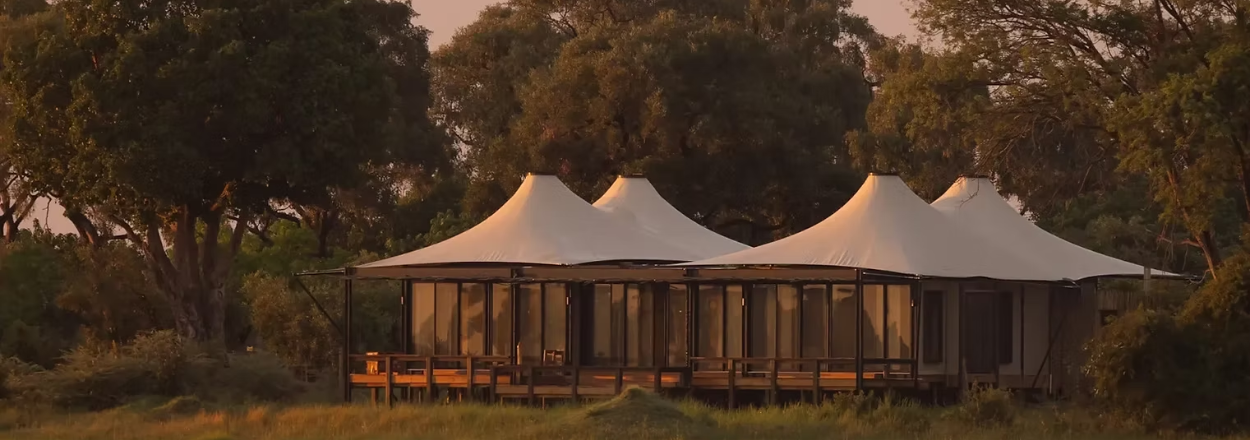
Nature and reset. Botswana's private concessions offer space and silence in equal measure. Iceland's dramatic landscapes invite slow, contemplative exploration. The Canadian Rockies deliver grandeur without the crowds. Patagonia rewards travelers willing to move at nature's pace and the Tuscan countryside offers restoration through long meals, rolling hills and unhurried days.
Culture and connection. Kyoto remains one of the world's great teachers in mindfulness and tradition. Hoi An invites travelers into a sensory, layered culture that unfolds slowly. Lisbon's easy rhythm makes it ideal for lingering, San Sebastian's culinary and artisanal traditions are worth savoring rather than skimming, while Italy's small towns reward travelers who trade famous landmarks for quiet piazzas and local life.
Wellness and restoration. Bali continues to anchor the wellness travel movement for good reason. Costa Rica pairs biodiversity with a genuine culture of Pura Vida. Sedona offers a striking, spiritually resonant landscape and European spa towns bring centuries of restorative tradition. Retreat-style destinations built around rest and reflection keep multiplying.
Slow luxury travel. Boutique safari lodges create an intimacy that larger properties simply cannot. Private villas and slow river cruises let a family or group settle into one homebase instead of living out of suitcases. Train journeys turn transportation into part of the experience rather than a means to an end and multi stop itineraries built around fewer destinations and longer stays are one of the clearest expressions of slow travel I book.
Planning Tips
Leave unscheduled time on the itinerary. Some of my best travel memories came from hours that were never planned. One family I planned a trip for recently cut their itinerary in half. They decided to spend two weeks in Tuscany and told me their favorite memories were the afternoons spent cooking with a local family and wandering through nearby villages. Build each stop around one anchor experience, a single meaningful activity or excursion that gives the day its shape, instead of trying to fit in everything that a destination offers. Prioritize local guides as a knowledgeable local guide can turn a good trip into an unforgettable one.
Who This Style of Travel Is For
Solo travelers find space for reflection. Couples find it deepens connection instead of just filling time. Families discover it creates room for real togetherness instead of constant motion. Busy professionals use it to actually disconnect, instead of relocating their stress somewhere sunnier. Wellness travelers find it lines up naturally with what they were already looking for, and anyone craving a deeper connection will find exactly that.
As more travelers seek trips that rejuvenate rather than deplete, intentional travel keeps shaping the next era of meaningful vacations. Help travelers make sure their next trip gives them something to carry home that has nothing to do with a checklist.
About the Author



comments