


Industry professionals understand travel is becoming increasingly differentiated from client to client as they explore what it means to have a customized trip itinerary. This is especially true within the luxury market, where the glamorous vacation style no longer fits a standardized model.
Kristen Blackburn, a luxury travel advisor at CCTC Travel Group, explained this transition: “I find that luxury is now less about status and more about how the trip feels while you are there,” she said.
If traditional experiences don’t resonate and itineraries are built to be unique, it may seem like there isn’t any consistency among travelers. However, what’s instead become evident is generational preferences, where age-based values, travel styles and digital behaviors closely align between clients and their peers. Read on to discover more about how each generation views (and books) luxury travel.
Baby Boomers (1946-1964)
This generation may not be the force it once was, having been surpassed in population size and annual spending by the younger millennials, but they’re still very much in the game. In fact, 61% of baby boomers are planning to travel this year, according to a recent AAA survey. Their trip preferences reflect what one would expect of a mature traveler, emphasizing itineraries built around status, service and tradition.
“My older clients really value consistency, comfort, and trusted brands where they know the service will be excellent,” said Blackburn. “[They] still want luxury, but they tend to stick with brands they know and trust like Four Seasons and the Ritz Carlton because they like the consistency.”

Predictability in the level of service is particularly important to baby boomers because at 62-80 years old, health and mobility concerns also need to be factored in. Knowing the kind of experience they’ll get from a brand removes any additional stress from the planning process and allows these mature travelers to focus on other logistical details. Virtuoso, a global network of luxury agencies, also noted in a 2022 report that these preferences naturally encourage vacationers to book small, private group tours and bucket-list destinations, as they have the time, money and resources to pour into more memorable trips.
Where some travelers are chronically online and find inspiration for their next great adventure that way, baby boomers stick to the old-school approach of recommendations. It’s not to say they aren’t online, but seasoned vacationers place greater value on a word-of-mouth referral from a loved one than a TikTok review from a stranger.
Generation X (1965-1980)
Gen Xers (46-61 years old) exhibit some of the same preferences as Baby Boomers, but to different standards.
“Clients in their 40s and 50s still want that same level of service, but they are usually looking for something that feels a little more unique,” said Blackburn. “[They] are willing to spend more when they see value.”
This generation tends to travel less than the others, and because of that, want to strike a balance between trusted brands and modern experiences. It also means they’re willing to spend a little more on a vacation since they’re few and far between. Ultimately, advisors who can explain the value of a trip to their Gen X clients while also providing personalized options will go far with this group.

Gen X also has a reputation for prioritizing a strong work-life balance, so their ideal trip puts rest and relaxation at the forefront. Hotels and resorts with world-class spas, dreamy poolside escapes or other unique wellness amenities are particularly appealing to Gen X for this reason, especially if those perks are found at a trusted property.
When they’re not indulging in a little R&R, that same Virtuoso study also noted multi-generational or general family trips to be of interest. The children of Gen X clients (theoretically) span greatly in age, meaning advisors are just as likely to be planning an outing to a waterpark as they are booking an all-inclusive resort with a top-tier drinks package. Regardless of these details, the most important component of these trips is distraction-free time with one another in quality destinations.
As for Gen X’s digital behaviors and how they’re booking luxury trips, Atlys, an online visa application platform, categorizes this generation as sophisticated researchers. This means they rely heavily on online reviews, blogs and forums, and are less likely to be influenced by social media trends. They have a picture in mind of what they expect from their vacation, and not much will sway them from that.
Millennials (1981-1996)
Where baby boomers and Gen X display quite a few overlaps in their luxury travel preferences, millennials deviate from the pattern. These clients, ages 30-45, are experience-driven, choosing destinations that promote authenticity and personal growth. By booking unique opportunities that immerse and connect them to the local culture, millennials want to feel like they’re participating in a trip that’s never been done before and that they’re developing a broader world view by having direct contact with new societal systems. Their off-the-beaten-path journeys must be intentional, however, as ethical consumption and sustainability are guideposts for their travel decisions.
These adults also seek an even distribution of rest and adventure in their travels. Advisors can look to incorporate wellness experiences into the itinerary, especially those that utilize traditional practices and locally sourced herbal ingredients for a blended approach to millennials’ preferences.
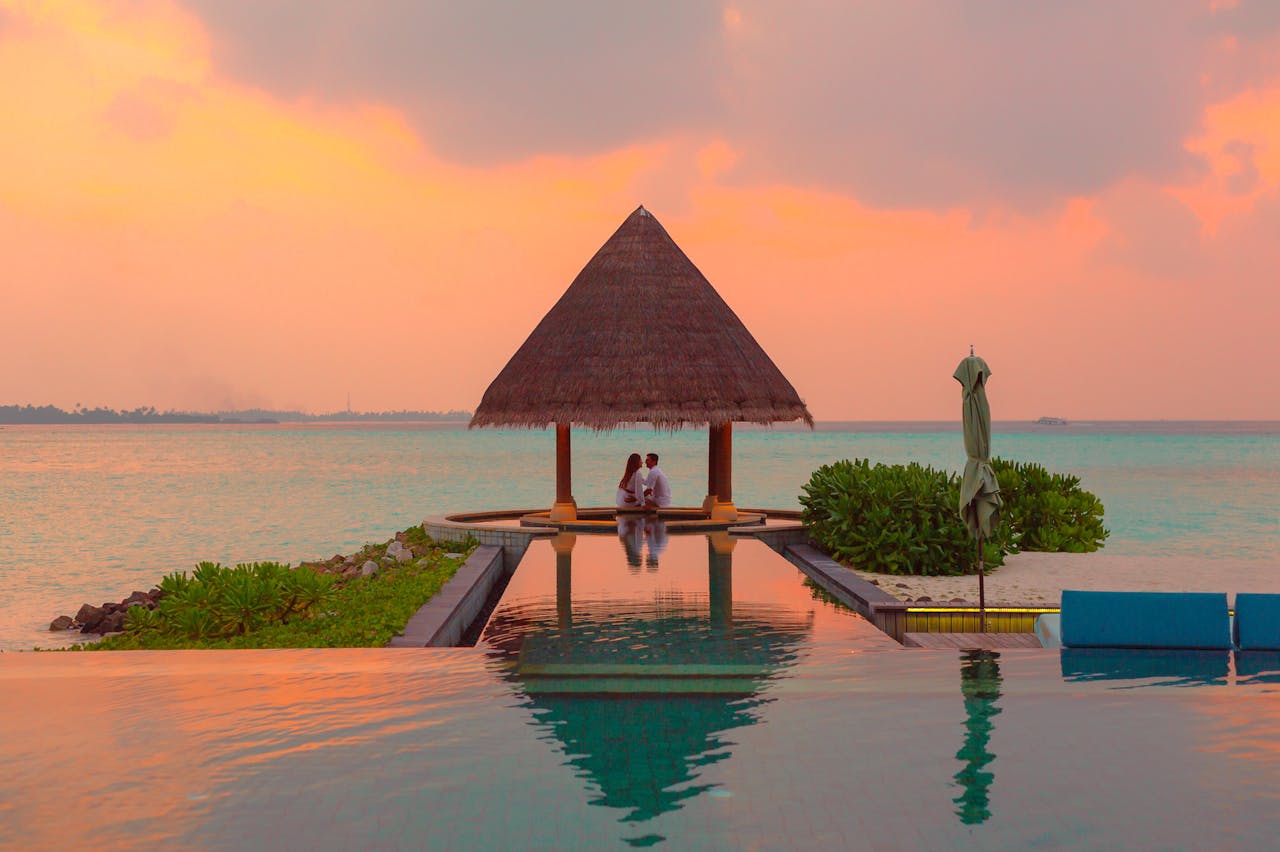
The sizable price tag that comes with curated, luxury trips doesn’t scare off this generation. Millennials (and even more so, millennial-aged newlyweds) recognize that customized itineraries with components of authenticity, sustainability and individuality naturally cost more, but they’re willing to pay extra to make it happen.
“I am definitely seeing more honeymooners choosing luxury because they want something that feels really special and memorable, and they understand that comes with a higher price point,” Blackburn explained. “Younger clients are very experience-focused and are often willing to spend more for something that feels different.”
Unlike their parents and grandparents, millennials are finding travel inspiration online, researching heavily through social media. In fact, the same Atlys report found that 75% of millennials’ travel choices were shaped by social media, with 46% visiting places they discovered on Instagram. They may like to initially take charge in the planning process, but they’re also not afraid to ask for help — advisors are often brought in for high-stakes vacations, like milestone or multi-leg trips.
Gen Z (1997-2012)
While only about half of this generation can finance their own trips and venture out solo, Gen Z has developed a very distinct personality and approach to travel. These adventurers embody every sense of the word, leaning into once-in-a-lifetime experiences and embracing a “for the mems” mentality.

According to Virtuoso, Gen Z clients have a few core values that guide their trips, including sustainability, individuality and authenticity. It doesn’t sound too different from the foundational traits of Millennial travelers, but Gen Z takes it a step further, seeking spur-of-the-moment adventures that often aren’t on the itinerary. Preset plans have a time and place with Gen Z, but it shouldn’t come as a surprise if those are axed in favor of an unprecedented opportunity.
Gen Z’s wanderlust ways shouldn’t count them out for other, more standard experiences. In fact, this generation (along with Millennials) is driving interest back to all-inclusives. Expedia noted in its 2025 trend report that one-third of Gen Z respondents said their perceptions of all-inclusives changed for the better, with 42% opting for an all-inclusive over another accommodation. An upfront price estimate combined with the ease of booking are two of the main reasons Gen Z likes this option. Advisors marketing to these young travelers should know that all-inclusives are only preferred when they fit the vibe of the itinerary and destination, like a girls’ trip to Mexico or a celebratory getaway to the Caribbean.
It almost goes without saying, but the Gen Z audience has fully turned to social media for ideas for their next big adventure. Traditional marketing techniques are generally distrusted, so travel pros looking to connect with this group need to find more engaging ways to get their message out.
“Younger clients are getting ideas from Instagram and TikTok,” Blackburn said. “Gen Z is also very active on Facebook, especially in destination-specific groups.”
About the Author





comments