


There’s a certain kind of feeling — a sense of ease and comfort, of pure relaxation — that only a vacation at an all-inclusive resort can offer.
The lack of surprise charges at the end of a stay, the luxury of not having to carry a wallet around, sampling as many dishes as you’d like at specialty restaurants and the simple joys of getting exactly what you paid for, with the option to add on additional perks and services at any time, are all reasons to love all-inclusive offerings.
And now there’s more variety than ever, especially when it comes to the destinations where these resorts are available.
According to Heather Hendrix, senior director of sales for east and south regions at ALG Vacations, most travelers associate all-inclusive resorts with destinations like Mexico and the Caribbean. And while it is true that these destinations historically have held the lion’s share of offerings in the all-inclusive space, the newer, younger market of all-inclusive resorts in Europe continues to grow, refine and attract a wider range of travelers.
All-inclusive resorts in Europe offer a different kind of vacation experience than the resorts in Mexico and the Caribbean. While both stand to offer the perfect getaway for your clients, determining which type of property will best fulfill their vacation needs and desires is key. To do so, it’s important to know what the key differences are between the two resort styles, from the guest experience and inclusions all the way down to transfers.
Here’s a helpful guide that breaks down the key differences between all-inclusive resorts in Mexico and the Caribbean and those in Europe, as well as other important details to remember when booking these stays for your clients.
Key Similarities and Differences
Let’s start with the basics. At a high level, Hendrix said, all-inclusive resorts across regions share the same core promise: upfront value, convenience and a simplified vacation experience.
“The differences come down to style, scale and traveler expectations,” Hendrix said.
Mexico and the Caribbean are popular destinations for families, romance travel, celebration trips and getaways among friends, such as for bachelor and bachelorette parties. These destinations offer ample space, and the resorts follow suit when it comes to how properties are designed.
Large resort footprints, expansive pools, multiple dining venues and a lively, social atmosphere are often the signature features of all-inclusive resorts in Mexico and the Caribbean. Rooms are also spacious and follow a more uniform layout.
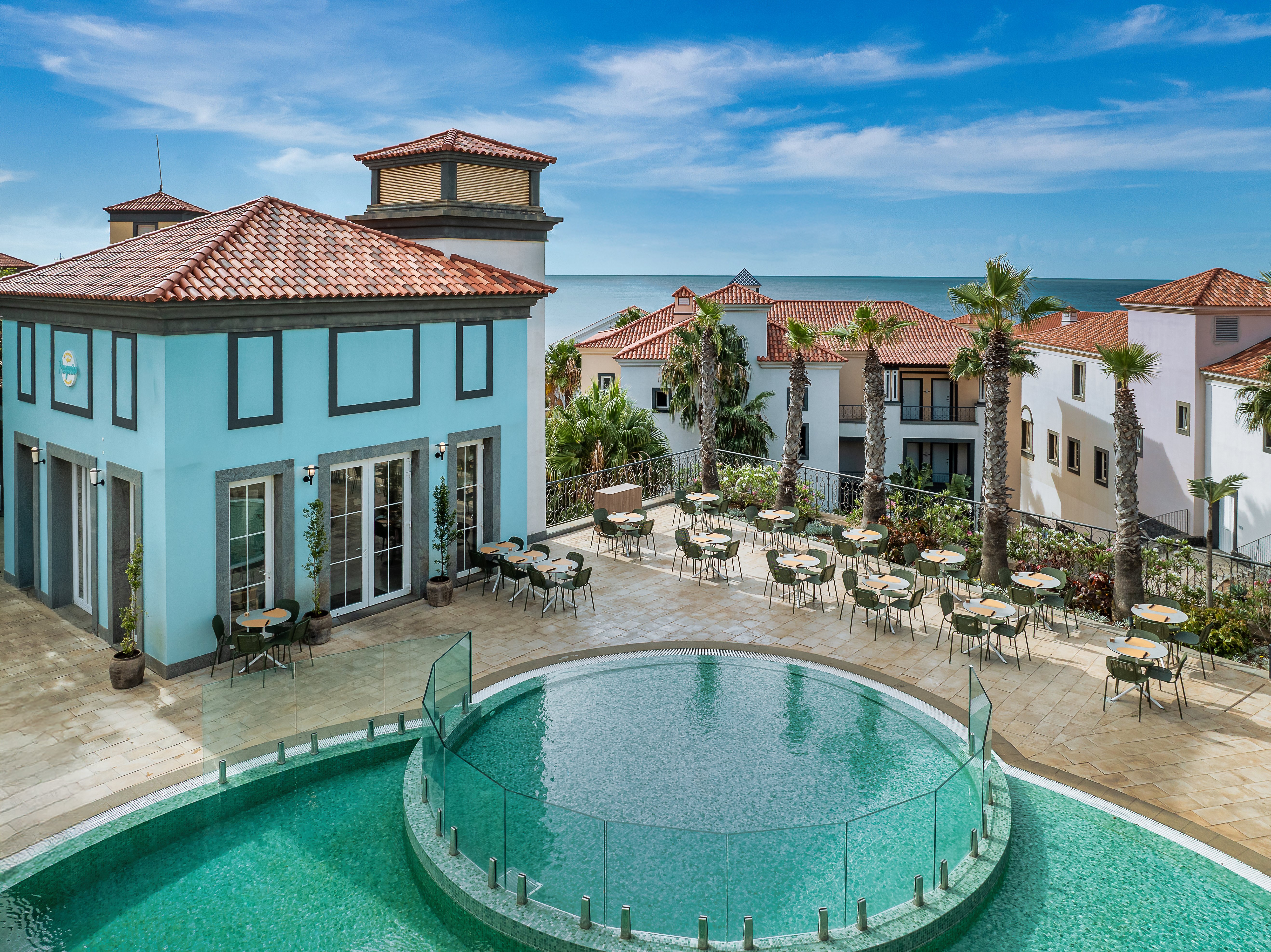
Europe is a slightly different story, explained Nikki Bond, a travel advisor with Beach Bum Vacations in Brownsburg, Indiana. Less land is available to develop such sprawling resort properties, and construction costs are often higher, so European all-inclusives tend to be more boutique in scale, more relaxed in vibe and more integrated with the surrounding destination.

“You see this reflected in the architecture and layout,” Bond said, adding that rooms are typically smaller, pools are more modest in size with a more relaxed atmosphere and the overall design is less sprawling than what you’d find in Mexico.
Hendrix noted that it’s important for advisors to understand that European all-inclusives won’t feel exactly like the traditional all-inclusive experience many travelers know from Mexico or the Caribbean — even when booking a familiar brand.
“While service standards and brand consistency remain, the overall experience tends to reflect the destination itself,” Hendrix said.
All-Inclusive vs. All Flexibility
Mexico and the Caribbean are often dubbed “sun and sand” destinations. For many, the resort is their only destination: They don’t venture out to explore the surrounding towns and cities.
“These resorts are designed to be self-contained worlds — big campuses with multiple restaurants, sprawling pools, large waterparks and everything you need right on property,” Bond said. “Travelers often go with the intention of staying put.”
That’s why all-inclusive resorts in Mexico and the Caribbean are truly all-inclusive: meals, drinks, entertainment and many activities are typically included. It’s also why Hendrix said the all-inclusive model remains so appealing for travelers looking to plan and budget with confidence.
On the flip side, Bond said local culture shapes the rhythm of a resort stay in Europe. With Europe’s smaller, boutique properties located so close to historic, cultural and culinary destinations, travelers are more keen on exploring the surrounding communities and spending more time off the property.
Clients often book rail journeys, pre- and post-hotel stays and even cruise extensions for a more personalized and flexible experience. Hendrix says this is a great way for advisors to add value to their clients’ trips and why European resort stays are viewed as “city and sea” experiences.

As a result, European resorts offer multiple rate plans, such as bed and breakfast, half board or full board, giving travelers flexibility depending on how much time they plan to spend exploring beyond the resort. Activities, excursions and transfers are often offered à la carte, and spa visits, recreation areas and other amenities are more streamlined. The same is true for dining options.
“Instead of multiple themed restaurants, you might find one main buffet and maybe one or two specialty restaurants,” Bond said. “Instead of endless snack bars and 24‑hour room service, you get mealtimes and a few snack windows throughout the day.”
The Takeaway: Qualify and Set Expectations
The best way to figure out what type of all-inclusive resort would best suit your client, Hendrix said, is to understand exactly what your client wants and set their expectations.
“That’s where a knowledgeable travel advisor plays an important role: setting expectations, explaining what’s included and helping travelers select the right resort for their needs,” Hendrix said.
Europe might offer a more robust variety of ways to explore the surrounding regions, but there are destinations in Mexico and the Caribbean that offer off-site exploration as well, and knowing those nuances will help your client narrow down their preferences.
“In destinations like Playa del Carmen, for example, travelers can enjoy the convenience of an all-inclusive stay while stepping out to explore lively pedestrian areas filled with shops, boutiques, local restaurants and street food,” Hendrix said.
Similarly, Bond says that knowing as much detail as possible about your clients’ desires is what will match them to the best resort destination and experience.
“Someone craving relaxation, warm weather and a true ‘everything at your fingertips’ experience might be perfect for an all‑inclusive [stay] in Mexico,” Bond said. “A traveler who loves exploring small towns, hopping on trains or mixing beach time with exploring might be better suited to [visit] Europe.”
Originally appeared in the Spring 2026 issue of The Compass magazine
Nicole Edenedo





comments